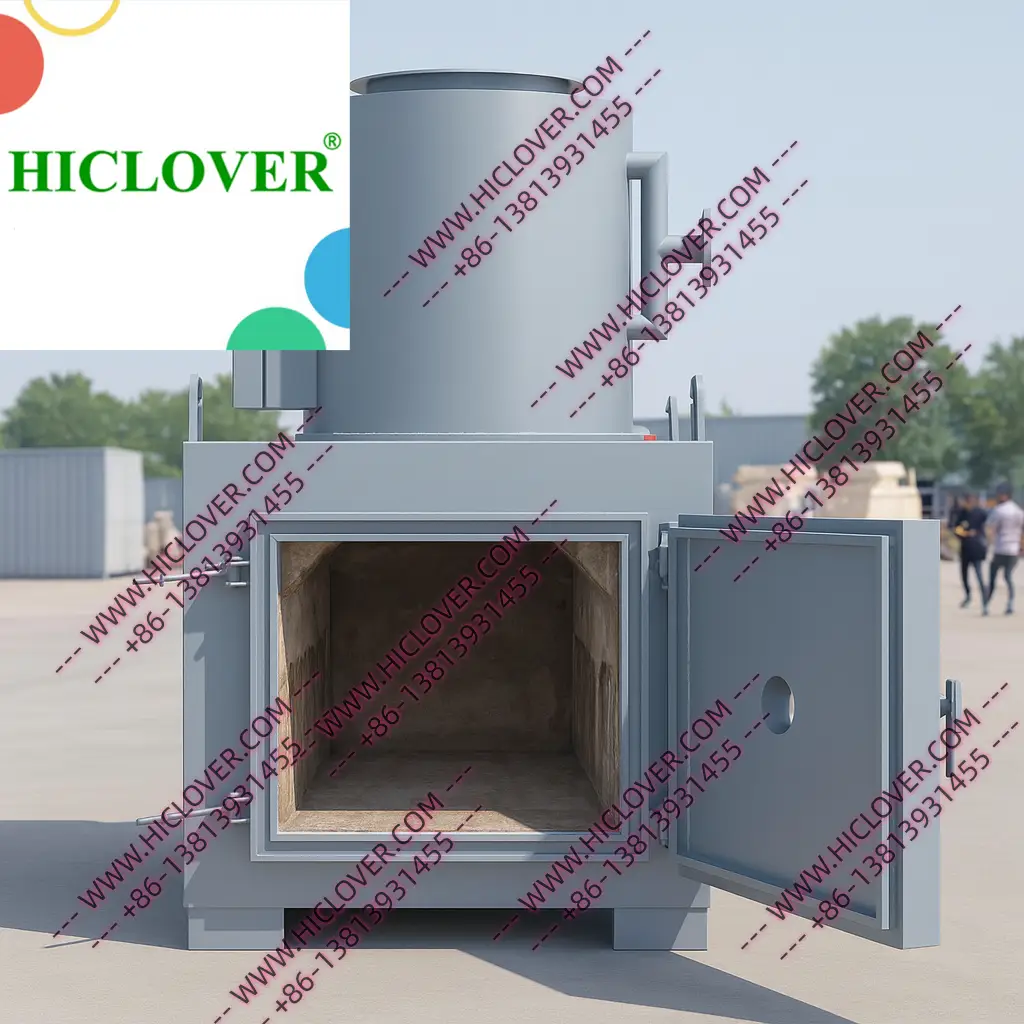
Somalia Medical Waste Incinerators: Engineering Perspectives and Applications
Somalia medical waste incinerators represent a pivotal part of the nation’s advancing healthcare waste management infrastructure. With the growing emphasis on public health and environmental sustainability, effective management of medical waste through incineration is becoming increasingly important. A robust incineration solution aids in mitigating risks associated with hazardous medical materials, while ensuring compliance with internationally recognized standards for waste management. The growing demand for engineering credibility, alongside the need for supply-chain stability, strengthens the argument for implementing efficient waste management systems, particularly in regions with complex logistical challenges such as Somalia.
As healthcare systems evolve, understanding the operational realities of Somalia medical waste incinerators—including their design, functionality, and regulatory frameworks—serves as the foundation for making informed decisions in both public health and environmental sectors.
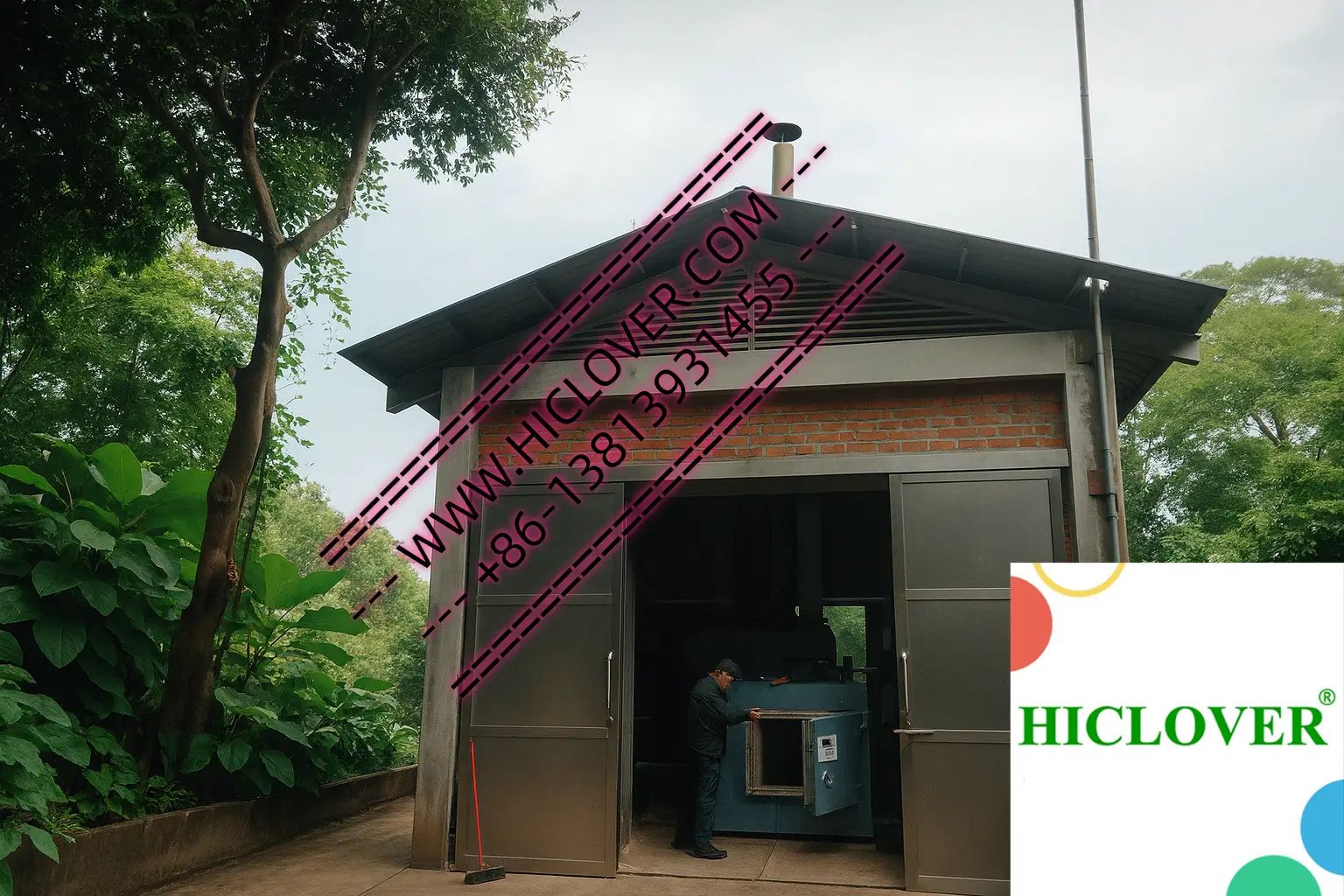
The Mechanisms of Medical Waste Incineration
Fundamentals of Incineration Technology
The incineration process primarily involves the thermal degradation of organic substances in waste through combustion. Essential to this process is the control of combustion conditions such as temperature, time, and turbulence to optimize material reduction while minimizing emissions. Medical waste incinerators typically operate at elevated temperatures, often exceeding 800°C up to 1400°C, ensuring the complete destruction of pathogenic substances.
Incinerators are designed to handle various types of waste including contaminated medical supplies, sharps, and pharmaceutical residues. The incorporation of advanced technologies such as PLC automatic controls enables better operational efficiency, allowing for precise monitoring of temperature and emissions. Many units are equipped with high-temperature retention (HTR) mechanisms to ensure sustained combustion conditions.
In terms of design, incinerators vary in their loading systems, including side, front, or top loading options. This allows for versatility in handling different waste types. Furthermore, integration of continuous feed protection sensors is becoming a standard feature to prevent operational hazards during waste loading.

Regulatory Environment and Compliance Standards
The regulatory framework surrounding medical waste incineration has become increasingly stringent globally. Compliance with local and international guidelines is essential for sustainable operations. In Somalia, regulations are evolving to align with global standards set by organizations such as the World Health Organization and the United Nations Environment Programme, ensuring best practices are upheld across healthcare facilities.
Smokeless operation is also a priority, prompting the use of smoke scrubbers—both dry and wet systems—to capture hazardous emissions before they are released into the atmosphere. Such measures are vital in addressing public health concerns and promoting environmental health within local communities.
Types and Configurations of Medical Waste Incinerators
Comparative Overview of Incinerator Variants
Incinerators are not a one-size-fits-all solution; they vary in configurations, each designed for specific capacities and waste types. Generally, medical waste incinerators are categorized into two main types: controlled air incinerators and excess air incinerators.
Controlled air incinerators operate with a precise balance of air and fuel, enhancing efficiency. They are ideal for facilities dealing with small to medium quantities of waste (up to 1000 kg per hour). In contrast, excess air incinerators utilize a surplus of air for combustion, suited for larger operations requiring continuous waste processing.
For regions like Somalia, where infrastructure may be limited, mobile incinerators such as containerized models offer advantageous solutions. Their portability ensures that healthcare organizations can implement effective waste management strategies even in challenging environments, allowing for quick deployment without extensive installation requirements. HICLOVER’s innovations in mobile and modular incinerators offer flexible solutions tailored for the unique conditions existing in Somalia—an example of our commitment to sustainability and engineering excellence.
Design Features and Capabilities
Modern incinerators incorporate various design features to enhance their operational reliability and ease of use. The range of chamber volumes extends from small units (100 liters) to larger installations (6000 liters), directly influencing the scale of medical waste processing capabilities. Moreover, advanced incinerators feature intelligent fuel-saving systems, significantly reducing operational costs while promoting environmental compliance.
Environmental, Social, and Governance (ESG) investment trends have led to greater scrutiny of waste management practices. Thus, operators are increasingly required to consider the sustainability of their waste processing techniques. The integration of automatic protection operators (APOs), for example, contributes to system reliability by ensuring safe operational parameters are maintained.
Furthermore, HICLOVER’s emphasis on customization capabilities allows healthcare facilities to source incinerators that meet specific regulatory requirements, including local emissions standards, scalability for future needs, and operational configurations that align with existing waste management practices.
Practical Applications and Case Studies
Regional Implementations in Somalia
In Somalia, the application of medical waste incinerators is vital as public healthcare facilities face the dual challenge of limited resources and increasing demands for effective waste management. Studies show that regions deploying properly managed incineration systems have reported significant reductions in infectious disease transmission associated with medical waste.
One illustrative case involves a healthcare institution implementing a trailer-mounted incinerator that seamlessly met its waste processing needs while maintaining compliance with regional regulations. The designed system featured a capacity of 200 kg per hour, utilizing efficient diesel fuel for optimal operation. Such solutions not only provided a reliable waste disposal method but also strengthened local public health initiatives.
Continuously assessing the operational efficiency of incinerators through methods such as emission monitoring using clarified gas analyzers provides assurance of adherence to environmental standards. For facilities located in remote areas, prioritizing remote-site deployment strategies becomes essential for waste management resilience.
Embracing Technology and Engineering Innovations
New trends such as AI-driven automation are influencing the operation of medical waste incinerators. Advanced sensor technologies enable real-time data collection and predictive analytics, enhancing operational efficiency while meeting compliance requirements. By applying intelligent monitoring systems, operators can make informed decisions regarding maintenance, operational adjustments, and process optimizations.
Additionally, the use of corundum thermocouples for temperature regulation offers highly accurate monitoring of incinerator chambers. This technology not only aids in maintaining ideal combustion conditions but also provides operators with critical data to manage their energy consumption proactively.
Improving supply-chain resilience remains a priority for facility managers, especially given the unpredictable nature of resource availability. Successfully implementing incineration solutions aids in the reduction of reliance on landfill disposal, thus enhancing sustainability across the entire waste management process, from generation to disposal.
Moving Forward with Sustainable Solutions
The landscape of medical waste management in Somalia is poised for transformation through the strategic implementation of medical waste incinerators. This technology facilitates a more sustainable approach to public health, aligning with global trends in environmental responsibility. Through engineering expertise provided by established manufacturers like HICLOVER, stakeholders can ensure that their waste treatment systems fulfill both operational and regulatory requirements effectively.
The advent of factory-direct supply channels further enhances the feasibility of deploying these vital systems. Customized solutions tailored to specific operational needs characterize the next generation of waste management practices, ensuring facilities are armed to address today’s challenges while planning for future needs. For more information about customization and direct supply opportunities, you may visit HICLOVER’s contact page.
Additionally, insightful comparisons of technologies such as smoke scrubbers and fuel types can guide practical investment decisions. Stakeholders seeking further insights can utilize resources such as this Google search for medical waste incinerator temperature requirements, which expands on the parameters crucial for selecting appropriate incineration technology.
In summary, leveraging advanced technology, agile supply chains, and robust regulatory compliance forms the cornerstone of effective medical waste management strategies in Somalia. Leading engineers and manufacturers must collaborate to develop systems that not only fulfill current needs but also pivot towards sustainable practices that align with global environmental goals.
Categories:
Tags: