
Guinea-Bissau Incinerators: Engineering Solutions for Waste Management
The implementation of Guinea-Bissau incinerators, specifically tailored for various waste management scenarios, underscores the significance of efficient waste disposal technologies in contemporary infrastructure. In light of public health initiatives and environmental sustainability efforts, the demand for robust incineration systems is paramount. The industrial relevance of these incinerators is demonstrating the capacity for precision engineering and reliability within complex supply chains, particularly in developing regions like Guinea-Bissau. Such installations not only serve immediate waste treatment needs but also align with larger global trends in decentralized waste treatment and carbon compliance measures, facilitating eco-friendly waste management solutions across varied municipal and industrial applications.
The Role of Incinerators in Public Health and Environmental Sustainability
In regions characterized by limited waste management infrastructure, the effective disposal of hazardous and non-hazardous waste through incineration presents a practical solution. Guinea-Bissau incinerators play a pivotal role in minimizing environmental pollution and preventing the spread of diseases associated with waste accumulation. As countries increasingly emphasize public health infrastructure and environmental governance, incinerators help local communities achieve compliance with both national and international regulations pertaining to waste disposal.

These systems are engineered to operate at high temperatures, often exceeding 1400°C, ensuring the complete combustion of waste materials. Health risks associated with improper burning methods include the release of toxic emissions. However, modern incinerators incorporate sophisticated smoke scrubber systems, either dry or wet, which significantly mitigate airborne contaminants before they interact with the environment. Furthermore, the application of HICLOVER’s intelligent fuel-saving systems optimizes energy usage, ensuring a balance between operational efficiency and environmental duty.
Comparing Different Types of Incinerators
When evaluating Guinea-Bissau incinerators, it is essential to consider the variety of types available and their corresponding capacities, fuel options, and chamber designs. Incinerators can be categorized primarily based on their operational features, such as feeding door types (side, front, or top loading) and their treatment capabilities (medical, animal, or solid municipal waste).
The capacity of these incinerators can range significantly, accommodating from 5 kg of waste per hour to 1000 kg per hour, depending on the application and local requirements. For example, mobile incinerators are a pragmatic choice for remote-site deployment where waste has to be processed on-site without the need for extensive installation or infrastructure. These units are typically containerized or mounted on trailers for easy transport and immediate implementation.
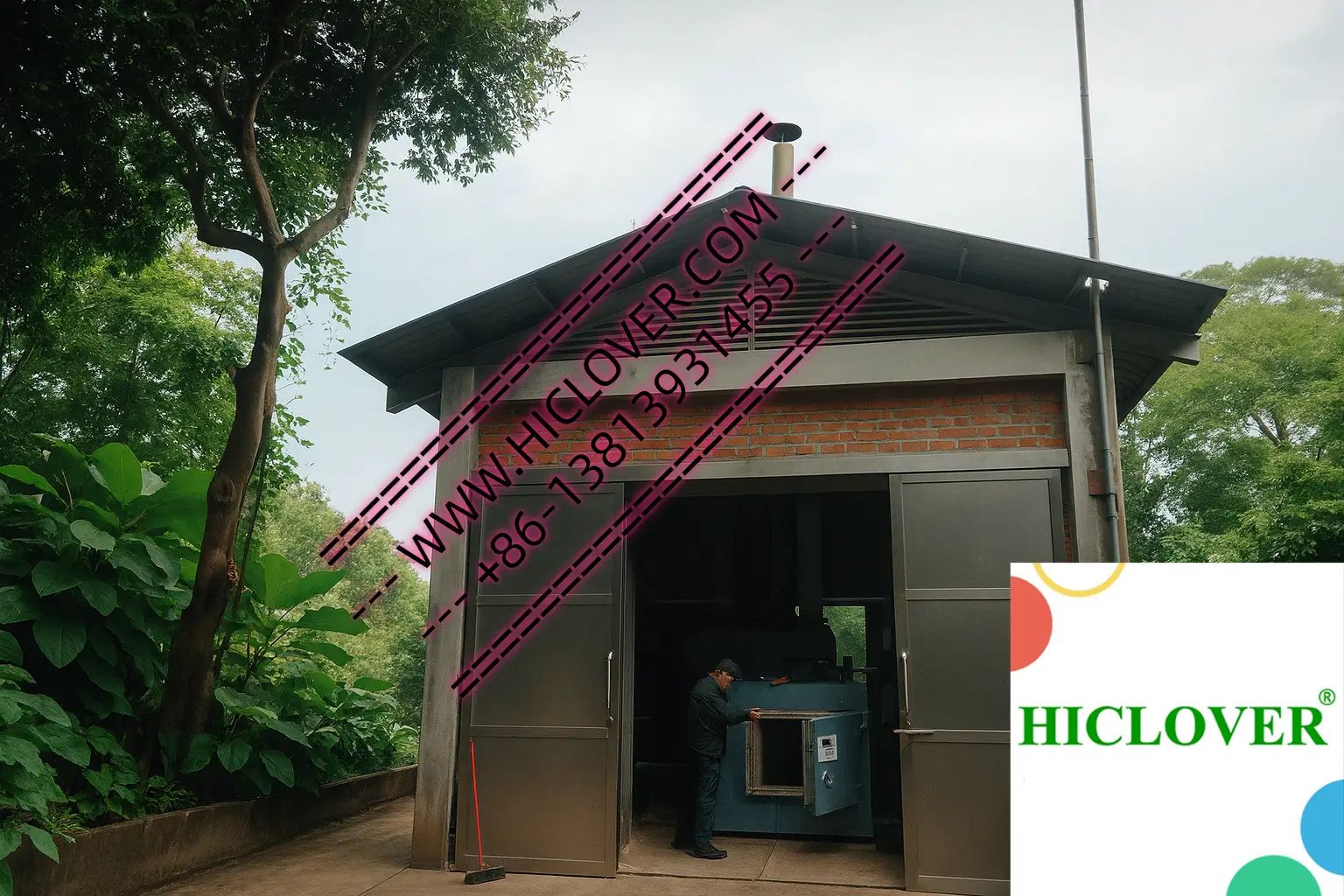
For more structured applications in urban settings, fixed incinerators with larger chamber volumes of up to 6000 liters may be preferable. These systems often come equipped with advanced operational controls, such as PLC automatic controls, which streamline operations while enhancing safety through continuous feed protection sensors and automatic cooling systems. Efficiency is further augmented by features like LCD timing displays, ensuring compliance with operational benchmarks.
Supply-Chain Resilience: Engineering and Manufacturing Considerations
With the increased focus on supply-chain resilience amid global disruptions, the engineering sophistication and manufacturing reliability of incinerator systems have gained heightened importance. HICLOVER, a reputable manufacturer of incinerators, emphasizes factory-direct customization to ensure that each unit meets specific client demands. Furthermore, their comprehensive global shipping support ensures that clients receive their equipment promptly, regardless of geographic location.
Decentralized waste treatment solutions facilitated by mobile and modular incinerators not only optimize operational efficiency but also minimize logistical challenges associated with traditional waste disposal methods. This approach aligns aptly with significant ESG investment trends, where organizations invest in technologies that bolster environmental governance and social responsibility.
The reduction of carbon footprints is a critical driving force behind the choice of fuel in incinerators. Options such as diesel, natural gas, and LPG create flexibility in operational contexts, enabling facilities in Guinea-Bissau to select the most sustainable and cost-effective fuel based on local availability and economic considerations. Customization capabilities also extend to the integration of various technological features, allowing for the creation of tailored systems that maximize efficiency while adhering to local regulations.
Regulatory Background and Future Trends in Incineration Technology
The regulatory landscape governing waste management in Guinea-Bissau, similar to other developing nations, is evolving. The increasing emphasis on compliance with international standards regarding emissions and environmental safety necessitates that incinerator manufacturers remain ahead of technological advancements.
Emerging trends such as AI-driven automation are beginning to take root in waste management technologies. This transition is poised to enhance operational oversight and efficiency further. For instance, real-time monitoring of combustion temperatures using corundum thermocouples facilitates optimal performance—a critical consideration given the regulatory requirements for waste incineration. Achieving high temperature retention (HTR) not only ensures efficient waste treatment but also supports compliance with stringent emission limits.
Moreover, as global perspectives shift toward circular economy principles, the role of incinerators will evolve from solely waste disposal to integrating into broader waste-to-energy systems. This evolution presents opportunities for incinerators to contribute to resource recovery through energy production systems that harness incineration byproducts.
Incineration systems designed for medical waste, particularly in light of global health crises, are witnessing a surge in relevance. Detailed technical specifications involving features like continuous feed protection sensors, automatic protection operators (APO), and intelligent monitoring capabilities are essential for facilities focused on maintaining the highest standards of safety and effectiveness in waste processing.
For practical guidance on the specific requirements surrounding medical waste incineration, one can explore resources such as https://www.google.com/search?q=medical+waste+incinerator+temperature+requirements. This information complements the operational and regulatory framework necessary for the successful deployment of Guinea-Bissau incinerators tailored to distinct waste types.
Advanced Technologies in Incineration Systems: A Detailed Overview
Exploring advanced technologies in incineration systems reveals a wealth of design innovations that enhance efficiency and compliance. The integration of automated controls, characterized by features such as PLC systems and high-performance monitoring sensors, is becoming standard. These systems facilitate seamless operation while providing data that support regulatory compliance.
Chamber design plays a critical role in optimizing combustion. High-capacity systems must not only accommodate large volumes but also ensure sufficient retention time and mixing, critical for complete combustion. The deployment of intelligent monitoring systems allows for adjustments in real-time, addressing variations in waste composition and ensuring peak operational performance.
In addition, waste types being processed directly influence the technological requirements of incinerators. Medical waste incinerators, for instance, mandate robust partitioning to ensure hazardous materials are disposed of safely, while standard municipal waste systems need to handle diverse materials effectively. This differentiation in application underscores the necessity for customizable solutions that can adjust chamber sizes and operational parameters.
The competitive landscape also influences the design and technology of incinerators. Manufacturers who prioritize environmental compliance and sustainability through next-generation technology and intelligent designs not only bolster their market position but also contribute positively to the global push for greener waste management practices.
In conclusion, the integration of innovative features and compliance with environmental standards may shape the future of waste management solutions globally. For organizations seeking efficient waste disposal methods, exploring options from manufacturers like HICLOVER, which specialize in mobile, modular, and customizable solutions, ensures access to leading-edge technologies supported by reliable supply chains.
Through the balanced orchestration of engineering expertise, compliance, and operational efficiency, Guinea-Bissau incinerators embody the future of waste management in emerging markets, paving the way for healthier communities and sustainable practices.
Categories:
Tags: