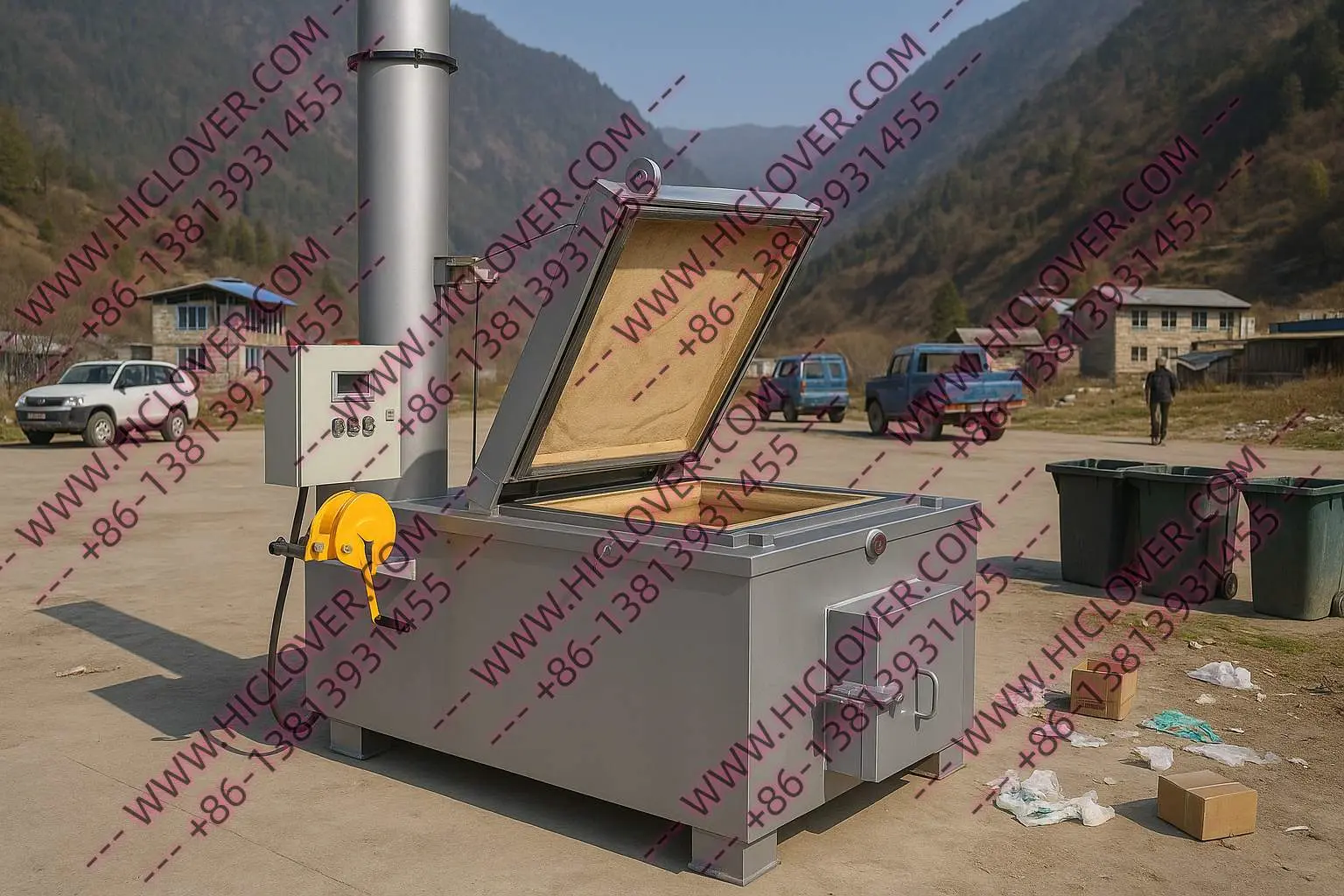
In Swaziland, the agricultural sector faces various challenges in waste management, amplifying the need for efficient disposal methods, particularly the Swaziland farm incinerator. As rural farming practices grow in complexity and scale, the demand for a reliable waste management solution becomes critical. Utilizing cutting-edge incineration technology not only addresses waste disposal but aligns with current trends in public health infrastructure, carbon compliance, and decentralized waste treatment.
Farming operations generate organic waste, animal by-products, and other refuse that must be managed sustainably. Industrial incinerators provide an efficient solution to mitigate the environmental impact of such waste while ensuring regulatory compliance. The stability of supply chains, facilitated by factory-direct support and a focus on sustainability metrics, makes incineration a viable option for farms across Swaziland and beyond.

Technological Overview of Incinerator Functionality
Incinerators operate on the principles of thermochemical conversion, where waste materials are subjected to high temperatures, leading to their decomposition. The process typically involves a series of stages: drying, ignition, and combustion, each critical for efficient waste management. For a Swaziland farm incinerator, the ability to handle various fuel types—such as diesel and natural gas—is invaluable. These options increase flexibility in operational settings, allowing for seamless integration into existing infrastructure.
The incineration process commences once waste is fed into the combustion chamber, which can vary in size, often from 100 to 6,000 liters, accommodating different volumes of waste. The choice of feeding door—be it front, side, or top loading—is also determined by spatial constraints and operational needs. Advanced models implement PLC automatic controls, enhancing the efficiency of operations through real-time monitoring, while continuous feed protection sensors safeguard against potential operational failures.
Health Considerations and Environmental Compliance
Public health is paramount in managing agricultural waste. Poorly managed waste can serve as a breeding ground for pathogens, negatively impacting both animal and human populations. In response, Swaziland must engage robust waste processing solutions that adhere to stringent health standards. The implementation of advanced smoke scrubber systems, either dry or wet, is essential in reducing airborne pollutants while safeguarding air quality and community health.
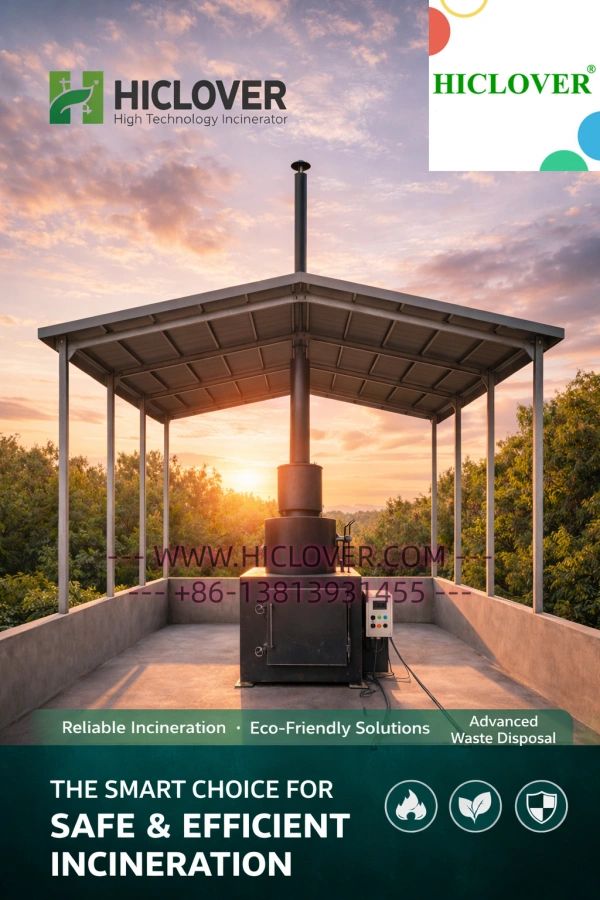
Furthermore, compliance with international environmental standards is becoming more critical. The integration of high temperature retention (HTR) in combustion processes enables waste materials to be processed thoroughly, ensuring that harmful emissions are minimized. The adoption of such technologies reflects a commitment to best practices in environmental stewardship and aligns with broader trends toward ESG investment initiatives.
By equipping farms with efficient waste incinerators, stakeholders not only contribute to enhancing public health infrastructure but also position themselves favorably within regulatory frameworks. Such investments signal a proactive approach toward sustainable practices, crucial for fostering a resilient agricultural sector.
Types of Incinerators and Their Applications
Various types of incinerators cater to distinct waste management needs. In the context of Swaziland, understanding the nuances among incinerators can significantly impact operational efficiency. Incinerators can typically be categorized by their capacity—ranging from 5 to 1,000 kg per hour—and the types of waste they process, including medical, animal carcasses, and solid municipal waste.
For agricultural use, containerized or mobile designs allow these units to be installed without extensive groundwork, offering a modular solution that can be tailored to various site configurations. The trailer or sledge options enable relocation as required, particularly valuable in decentralized waste treatment scenarios where farms may require flexibility in deployment.
The choice of incinerators should also consider the desired output quality and the specific qualities of the feed material. For farmers in Swaziland, investing in a capable incineration solution requires careful selection of chamber size, fuel type, and operational controls, all of which can be customized to meet regional demands efficiently. For further insights into incinerator capacity and performance metrics, interested parties can explore details available here.
Innovations in Incineration Technology
Recent advancements in incinerator technology, particularly for agricultural applications, have facilitated smarter waste processing methods. Intelligent features such as automatic cooling and alarm systems and LCD timing displays provide critical management oversight, allowing operators to maintain optimal conditions during incineration cycles. These systems enhance operational safety and enable more precise monitoring of the incineration process.
Moreover, the implementation of intelligent fuel-saving systems contributes to cost-effective operation, reflecting wider trends toward supply-chain resilience. As agricultural trends evolve, so too do the technologies supporting them. Extensive testing reveals that efficient incineration can drastically reduce waste volumes, thereby enabling farmers to enhance their operational effectiveness while maintaining compliance with environmental regulations.
In this regard, HICLOVER stands out as a leader in providing tailored incineration solutions. With extensive manufacturing expertise and a commitment to customized service, HICLOVER’s experience ensures reliable performance in varying agricultural environments. By offering factory-direct supply, clients can expect operational efficiencies and streamlined integration into their agricultural practices.
The Future of Waste Management in Swaziland
The future landscape of agricultural waste management in Swaziland is poised for significant transformation. As global emphasis on sustainability intensifies, farming operations across the region are increasingly recognizing the critical nature of effective waste management solutions. The shift toward decentralized waste treatment not only addresses immediate agricultural needs but also aligns with larger initiatives aimed at fostering environmental compliance and enhancing public health infrastructure.
The role of technology in this transition cannot be understated. Solutions that incorporate AI-driven automation and advanced monitoring systems are becoming integral in managing waste effectively. A Swaziland farm incinerator, equipped with high-efficiency components such as corundum thermocouple monitoring that operates at temperatures reaching 1,400°C, exemplifies the innovations necessary to drive this change.
As agricultural demands continue to evolve, the drive toward regulatory compliance will inspire further investments in modern waste management technologies. Engagement with reputable manufacturers ensures that farm operations not only comply with health and environmental standards but also improve operational efficiency. HICLOVER is positioned well to play a critical role in supporting this evolution, offering solutions that are both mobile and easy to deploy.
The path forward involves collaboration among farmers, manufacturers, and regulatory bodies to cultivate a sustainable agricultural ecosystem that prioritizes health, compliance, and technological advancement. Developing a holistic waste management strategy is paramount, underscoring the importance of investing in credible, reliable, and responsive waste treatment technologies.
Categories:
Tags: