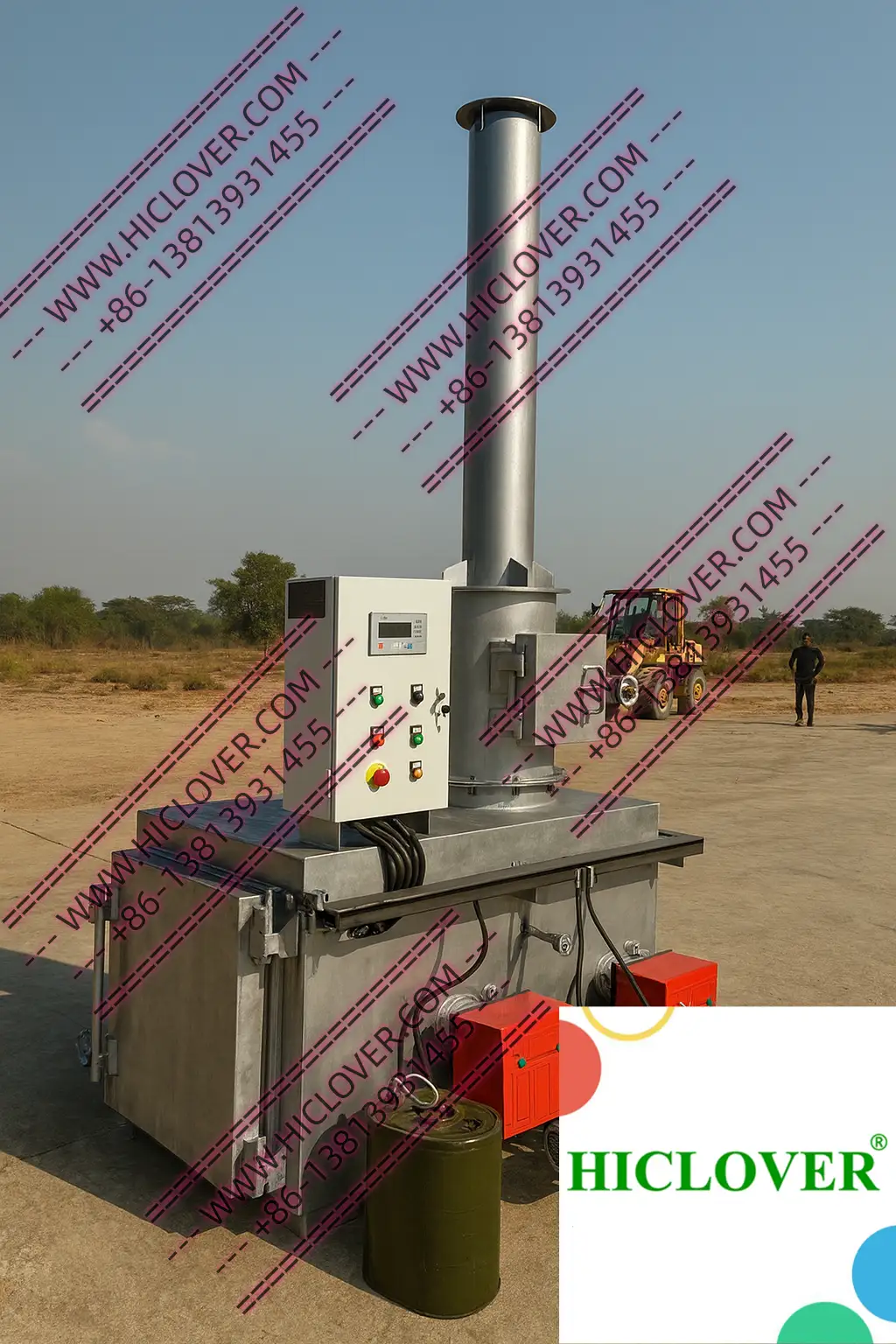
Togo Medical Waste Incinerator: Engineering Solutions for Effective Waste Management
The Togo medical waste incinerator represents a crucial advancement in the management of hazardous medical waste, which encompasses a variety of materials including sharps, infectious waste, and pharmaceutical remnants. As public health infrastructure evolves globally, the implementation of robust and efficient waste management systems becomes imperative. This demand necessitates incinerators that not only meet local and international regulatory standards but also ensure the environmental safety and protection of public health. The Togo medical waste incinerator exemplifies industrial relevance through its engineering advancements, particularly in fuel efficiency, emission control, and adaptability to various waste types.
The relationship between reliable waste management technologies and sustainable engineering practices has never been more pronounced. With growing concerns regarding public health and safety, alongside increased scrutiny on carbon compliance, the demand for innovative incinerator solutions has surged. Recent trends indicate a shift toward decentralized waste treatment solutions that can support healthcare facilities and remote communities alike while ensuring adherence to Environmental, Social, and Governance (ESG) investment principles. The focus on long-term supply chain resilience has spotlighted the importance of robust incineration units capable of efficient processing with minimal disruption.
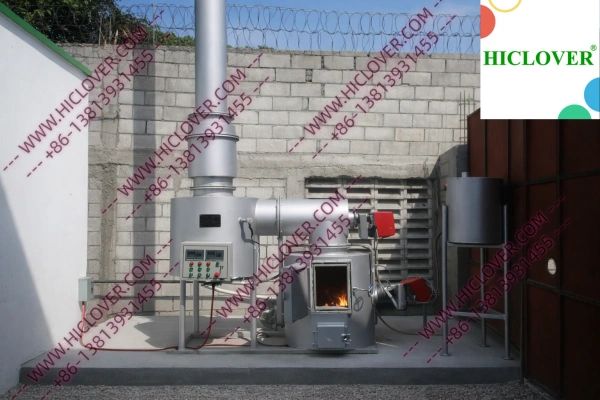
Technical Principles of Medical Waste Incineration
Incineration Process Overview
Incineration is a thermochemical process wherein organic materials are combusted. The Togo medical waste incinerator operates at optimized temperatures between 800°C to 1400°C, ensuring complete combustion of waste materials while minimizing the release of hazardous pollutants. The process can be further categorized into primary and secondary combustion phases. The primary chamber facilitates the initial breakdown of waste, while the secondary chamber functions to combust any residual particulate matter and harmful gases.
Effective waste treatment through incineration hinges upon several critical operations. High Temperature Retention (HTR) assists in the decomposition of complex organic structures, while the use of 1400°C corundum thermocouple monitoring ensures precise temperature regulation throughout the process. The employment of PLC automatic controls enhances operational efficiency, automatically regulating feed rates and combustion parameters.

Emission Control Technologies
To further align with stringent regulatory requirements and societal expectations, emission control technologies are central to the design of the Togo medical waste incinerator. Smoke scrubber systems, both dry and wet, capture particulates and neutralize harmful gases prior to their release into the atmosphere. This is particularly important in regions like Togo, where environmental considerations are paramount and regulatory frameworks are being fortified.
The integration of an automatic cooling and alarm system prevents overheating, contributing to operational safety. Additionally, continuous feed protection sensors guarantee that waste is introduced at an optimal rate, avoiding overloading conditions that could lead to incomplete combustion or increased emissions.
In light of current trends in environmental compliance and public health initiatives, operators are increasingly adopting incinerators equipped with advanced monitoring systems. The technological advancements in intelligent fuel-saving systems optimize operational costs while maintaining environmental integrity.
Commercial Perspectives: Analyzing Incineration Systems
Types of Medical Waste Incinerators
When evaluating incinerators for medical garbage disposal, several options are available, typically categorized by fuel type, feeding method, and capacity range. The Togo medical waste incinerator can be configured to utilize various fuels, including diesel, natural gas, and LPG, depending on availability and cost-effectiveness in local markets.
The feeding doors of the incinerator can be designed for side, front, or top loading, accommodating operational spaces and user preferences. For instance, side loading systems may be employed in confined areas where vertical space is limited.
The capacity of medical waste incinerators generally varies from 5 kg to 1000 kg per hour, depending on the scale of operation. Facilities in Togo must assess their waste generation rates to select an incinerator that meets their specific demands efficiently.
Integration with Mobile and Modular Solutions
The mobility aspect is also essential, particularly in a global landscape emphasizing decentralized waste treatment strategies. The development of containerized, trailer, and sledge units facilitates rapid deployment where fixed facility installation can be challenging. The Togo medical waste incinerator can thus serve both urban hospitals and rural clinics by providing adaptable, mobile treatment solutions.
In alignment with ESG criteria, facility operators should consider incinerators that offer factory-direct customization. Customized solutions enhance operational efficiency, allowing for specific waste characteristics and local environmental conditions to be addressed. HICLOVER’s expertise in manufacturing these incinerators ensures that clients receive equipment tailored precisely to their needs while emphasizing supply-chain reliability.
Regulatory Framework and Compliance
Global and Local Standards
Regulatory compliance surrounding medical waste incineration is stringent, with numerous international and regional frameworks dictating operational processes. Entities looking to install a Togo medical waste incinerator must navigate local regulations that may include the Basel Convention on hazardous waste management, ensuring safe disposal methods compatible with international standards.
Furthermore, local environmental agencies often set specific emission limits that incinerators must adhere to. Validation through accurate emission measurement ensures that the incinerator not only operates within acceptable environmental parameters but also serves as a model for best practices in waste management.
In the context of public health infrastructure, incinerators become integral to waste disposal plans tailored to meet critical healthcare delivery objectives. Facilities must demonstrate compliance through regular monitoring and reporting to regulatory bodies, aided by advanced metrology and monitoring solutions integrated within the incinerators.
Training and Support for Operators
Effective operation of medical waste incinerators necessitates comprehensive training for personnel involved in waste management and incineration processes. HICLOVER provides detailed training modules alongside their equipment to empower operators with the necessary knowledge of equipment functioning, safety protocols, and compliance mandates.
This training extends to understanding the applications of various incinerator features, such as the LCD timing display for operational monitoring, ensuring the capacity to troubleshoot effectively. Combating operational challenges translates into increased productivity and reinforced adherence to regulatory expectations.
The Future of Medical Waste Treatment in Togo
Sustainable Practices and Technological Innovations
The future of medical waste treatment in Togo hinges on sustainable practices characterized by technological innovations tailored to meet both local and global challenges. The transition towards AI-driven automation in incinerator operations holds the potential for enhanced efficiency and adaptability. Automated monitoring and feedback systems could serve to optimize fuel use, predictive maintenance, and real-time emissions management.
Decentralized treatment options will continue to proliferate, driven by an increasing demand for adaptable solutions that cater to communities in diverse geographical settings. Engaging with industry leaders and experts such as HICLOVER allows operators to remain informed about technological advancements and supply-chain innovations, positioning them for success in evolving markets.
Economic Considerations and Investment Opportunities
Investment in medical waste incineration technology can deliver significant economic benefits, not only by ensuring compliance with environmental standards but also by contributing to the overall resilience of the healthcare supply chain. ESG investments focus on promoting sustainable waste disposal methods while ultimately enhancing the efficiency of healthcare delivery systems.
As the global landscape evolves, the focus on health security, particularly in the aftermath of pandemics, illustrates the critical need for well-structured waste management systems. Governments and industries are increasingly interested in collaborating on innovative projects that align with both economic growth and environmental stewardship.
The Togo medical waste incinerator symbolizes a vital step towards these goals, reaffirming the importance of integrating technology with sustainable practices. For those interested in direct sourcing and technical assistance, options for customization and factory-direct supply are available, helping pave the way for effective waste management solutions suited to local needs.
For further details on engineering solutions and equipment procurement, visit HICLOVER. Additionally, for further information regarding regulatory compliance challenges, explore research resources utilizing this link: https://www.google.com/search?q=medical+waste+incinerator+regulatory+compliance.
In summary, the development and application of the Togo medical waste incinerator demonstrate the intersection of engineering innovation with environmental responsibility, presenting a path forward in managing one of the healthcare sector’s most significant challenges.
Categories:
Tags: