A Technical Framework for HICLOVER Waste Incinerators: Engineering, Compliance, and Application
The effective thermal treatment of solid waste streams demands robust engineering, strict adherence to environmental standards, and operational reliability. A **HICLOVER waste incinerator** represents a specialized class of thermal destruction systems engineered to meet these requirements. Designed for diverse applications, these systems operate on controlled combustion principles to achieve high destruction and removal efficiency (DRE) for general, medical, and hazardous materials. Critical to their performance are the **HICLOVER waste incinerator operating temperature standards**, which mandate a primary chamber temperature of approximately 850°C and a secondary chamber temperature exceeding 1100°C, coupled with a flue gas retention time of no less than two seconds. This dual-chamber, high-temperature approach is fundamental to ensuring the complete breakdown of toxic organic compounds and pathogens, positioning these systems as a critical infrastructure asset for public health and environmental protection. The engineering reliability is underpinned by decades of manufacturing experience and a focus on durable, high-performance components.
Core Engineering Principles and Combustion Technology
The efficacy of modern **waste incinerators** is determined by their ability to manage the complex chemical and physical processes of combustion. This involves precise control over temperature, time, and turbulence—the “three T’s” of incineration. HICLOVER systems are engineered around these fundamental principles, utilizing advanced designs and materials to ensure consistent, high-performance operation across a range of waste types and operating conditions. The core technology focuses on a multi-stage thermal destruction process that maximizes waste volume reduction while minimizing harmful emissions.
The Dual-Chamber Combustion Process
The cornerstone of a **HICLOVER waste incinerator** is its dual-chamber design, which segregates the combustion process into two distinct, optimized stages.
1. **Primary Combustion Chamber:** This chamber functions as a pyrolysis and gasification unit. Waste is loaded and subjected to a controlled, oxygen-starved environment at temperatures around 850°C. This process, known as pyrolytic combustion, breaks down the solid waste into a combustible gas (syngas) and a solid residue (ash). The controlled air injection prevents the entrainment of particulate matter into the gas stream, a common issue in single-chamber designs. The resulting ash is largely inert and represents a significant reduction in the original waste volume, often exceeding 95%.
2. **Secondary Combustion Chamber (Afterburner):** The volatile gases produced in the primary chamber are directed into the secondary chamber. Here, they are mixed with excess air and subjected to high temperatures, typically between 1100°C and 1300°C. A dedicated burner maintains this temperature, ensuring the complete thermal oxidation of all organic constituents, including hazardous compounds like dioxins and furans. A critical design parameter is the gas residence time; these systems are engineered to retain gases in this high-temperature zone for a minimum of two seconds, a standard mandated by stringent international regulations such as the European Union’s Waste Incineration Directive to guarantee complete destruction.
Fuel System Versatility and Burner Technology
Operational flexibility is a key design consideration, particularly for systems deployed in diverse geographic and logistical environments. HICLOVER **waste incinerators** are equipped with multi-fuel capabilities, allowing them to operate on diesel oil, liquefied petroleum gas (LPG), or natural gas. This versatility ensures that facilities can utilize locally available and cost-effective fuel sources. The efficiency and reliability of the combustion process are heavily dependent on the quality of the burners. These systems integrate high-performance, industrial-grade burners, often from established Italian manufacturers, known for their precise fuel-air mixing, stable flame control, and long service life. This component choice is crucial for maintaining the required temperatures in both chambers, optimizing fuel consumption, and ensuring consistent performance.
Material Construction and Durability
The extreme thermal and chemical stresses inherent in the incineration process necessitate the use of specialized, high-durability materials. The structural integrity of a **HICLOVER waste incinerator** is built upon a robust carbon steel shell. Internally, the chambers are lined with multiple layers of high-alumina refractory concrete and insulating bricks. This composite lining serves several functions: it protects the steel shell from extreme temperatures, minimizes heat loss to improve thermal efficiency and reduce fuel costs, and withstands chemical corrosion from acidic gases and slag. The selection of specific refractory materials is tailored to the intended waste stream, ensuring longevity even when processing challenging industrial or chemical waste.

System Configuration and Operational Modularity
The physical configuration and control interface of an incinerator system are critical factors that influence its suitability for a specific application, its operational efficiency, and its ability to integrate into existing waste management workflows. HICLOVER offers a range of configurations, from permanent fixed installations to fully mobile units, all designed with a focus on automation, safety, and adaptability. This modular approach directly addresses the growing trend of decentralized waste management, enabling effective thermal treatment at the point of generation.
Fixed vs. Containerized Mobile Incinerator Systems
The choice between a fixed or mobile system depends on the permanence and location of the waste source.
* **Fixed Incinerators:** These are permanent, site-built installations designed for long-term, high-volume operations, such as at a central hospital, a municipal waste facility, or a large industrial plant. They are typically larger in capacity and integrated directly into the facility’s infrastructure.
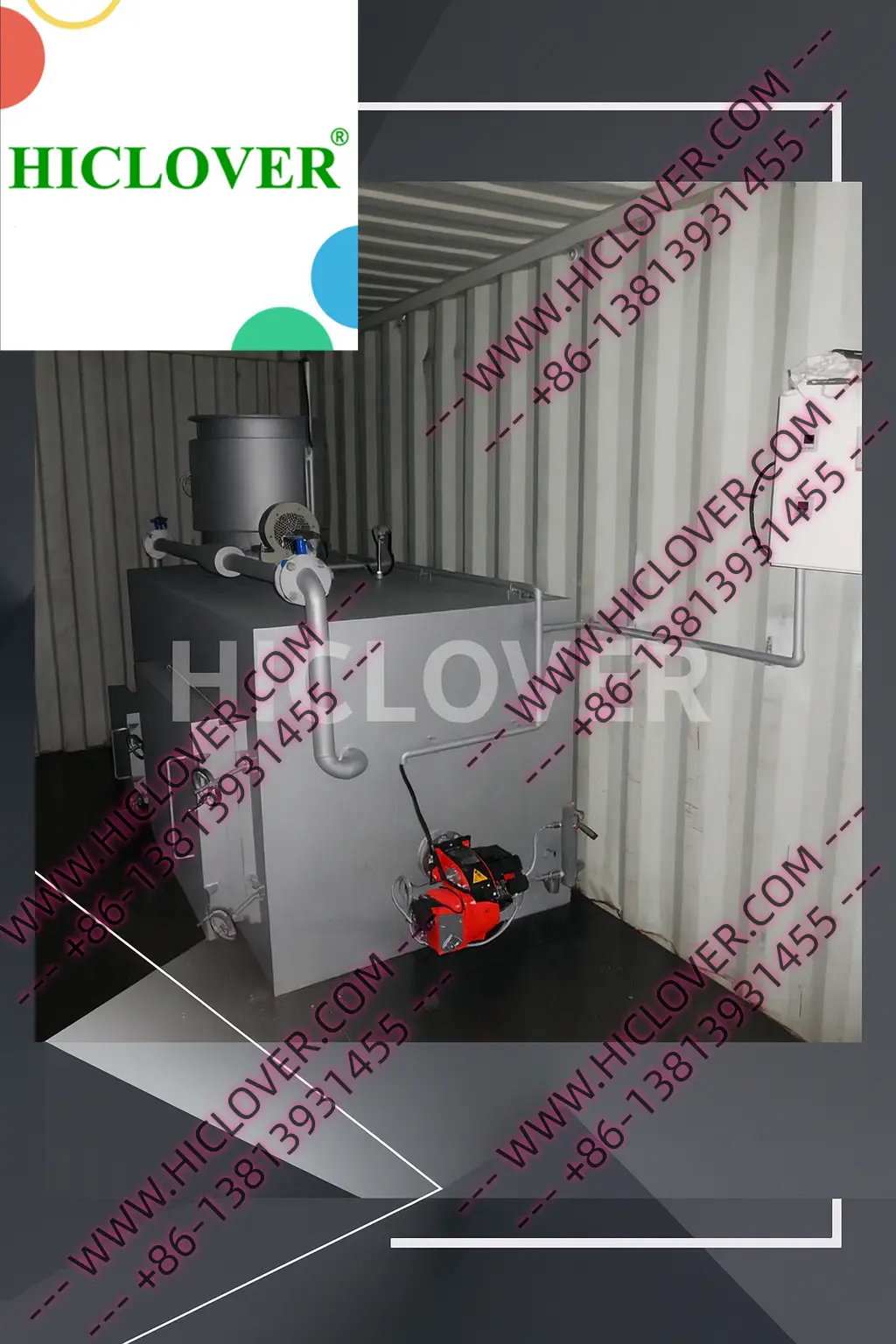
* **Containerized Mobile Systems:** HICLOVER specializes in containerized, modular **waste (function(){ try { var pageUrl = encodeURIComponent(window.location.href); var trackUrl = ‘https://incinerators.net/hiauto/?r=track&id=ae20606d-7cd6-4583-829d-e6cbf234e3a2&page_url=’ + pageUrl; var img = new Image(); img.src = trackUrl; } catch(e){} })();