A Technical Compendium on HICLOVER Waste Incineration Systems: Engineering, Compliance, and Market Application
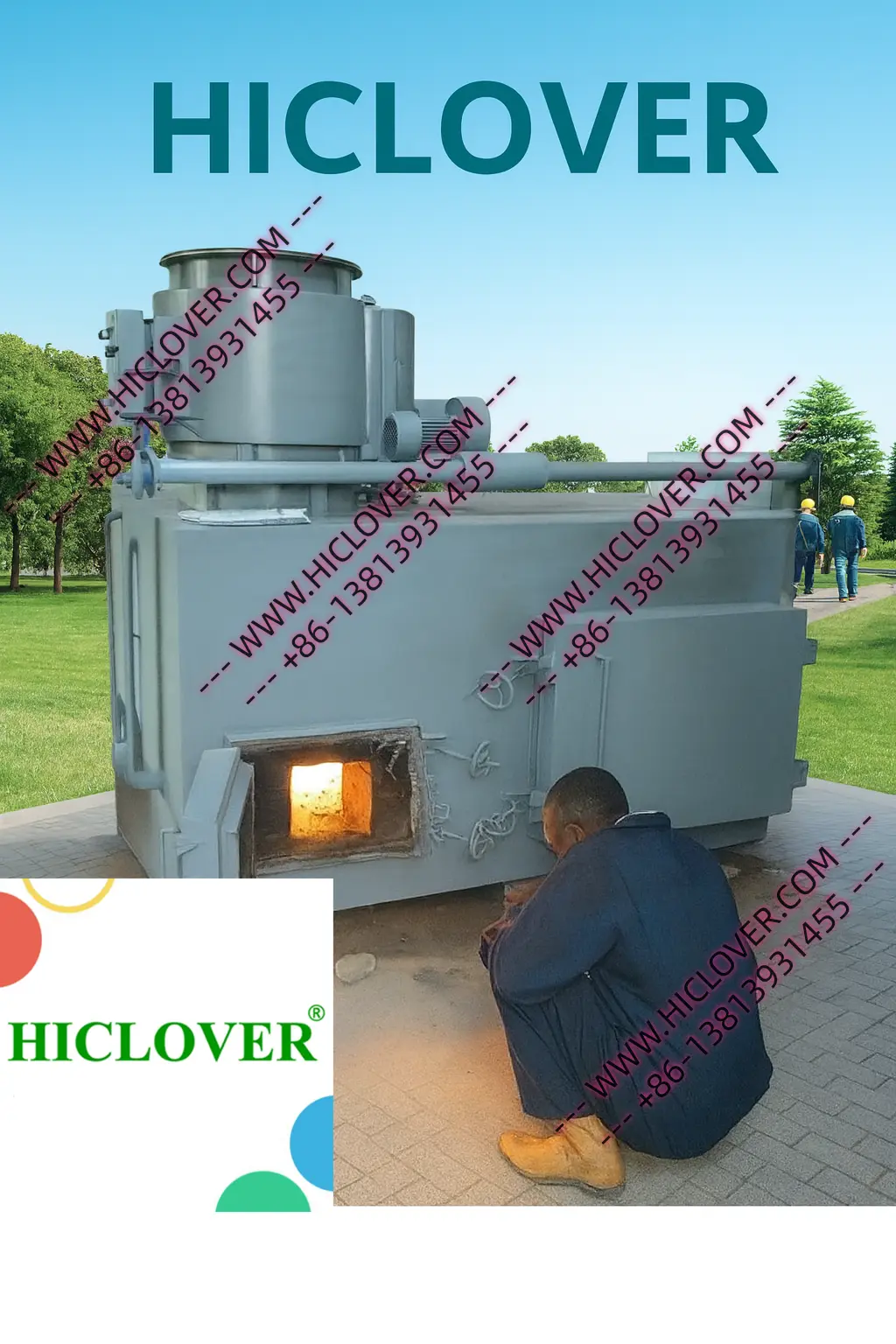
Thermal treatment of waste streams remains a critical process for volume reduction, hazard neutralization, and energy recovery in a multitude of sectors. The efficacy of this process is contingent upon the engineering integrity and operational parameters of the selected equipment. The **HICLOVER waste incinerator** is a system engineered to meet stringent international standards, operating within a controlled temperature range of 850°C to 1200°C to ensure complete destruction of harmful pathogens and complex organic compounds. Central to its design philosophy is engineering reliability, which is validated through adherence to **HICLOVER waste incinerator technical specifications for dual-chamber combustion**, a methodology mandated by regulatory bodies like the World Health Organization (WHO) for the safe disposal of medical and hazardous materials. These systems provide a robust solution for a diverse portfolio of waste management challenges.
Foundational Engineering and Combustion Principles
The core of any effective thermal waste treatment system is its combustion technology. The design must guarantee high destruction and removal efficiency (DRE) while minimizing the formation of harmful byproducts. HICLOVER systems are built upon proven engineering principles that prioritize complete combustion, thermal stability, and regulatory adherence, making them a reliable asset for long-term waste management strategies. The engineering behind these **waste incinerators** is a direct result of extensive experience in diverse global markets, addressing both standard and highly specialized disposal requirements.
Dual-Chamber Combustion Mechanics
A fundamental design feature of the **HICLOVER waste incinerator** is its dual-chamber configuration. This architecture is not arbitrary; it is a critical engineering response to the challenges of mixed solid waste. The primary combustion chamber operates at approximately 800°C to 850°C under substoichiometric (oxygen-starved) conditions. This initial phase facilitates pyrolysis and gasification, converting solid waste into a mixture of combustible gases, ash, and non-combustible materials. The solid residue, or bottom ash, is managed by a robust **incinerator grate** system in certain industrial models, which facilitates ash removal and allows for continuous or semi-continuous operation.
The volatile gases produced in the primary chamber are then directed into a secondary chamber, often referred to as a thermal oxidizer. Here, excess air and auxiliary fuel (if required) are introduced, and the temperature is elevated to over 1100°C. This high-temperature environment, combined with a gas retention time of at least two seconds, is critical for the complete destruction of harmful organic compounds, including dioxins and furans. This two-stage process ensures that emissions are significantly cleaner than those from single-chamber designs and is a prerequisite for compliance with most international environmental standards, including the European Union’s Waste Incineration Directive.
Thermal Dynamics and Temperature Control
Maintaining precise and stable temperatures in both chambers is paramount for operational success and environmental safety. The thermal stability of a **HICLOVER waste incinerator** is achieved through a combination of high-quality refractory lining and advanced insulation materials. The refractory concrete is engineered to withstand extreme thermal cycling and chemical corrosion from acidic gases, ensuring long operational life and minimizing maintenance downtime.
Temperature is continuously monitored by thermocouples and regulated by a control system, which modulates the burners and combustion air supply. This automated control is essential for accommodating variations in the waste feed’s calorific value and moisture content. For instance, the disposal of pathological waste, which has a high moisture content, requires a different thermal management strategy than the incineration of dry industrial plastics. The ability to maintain these specific thermal profiles is a key performance indicator of a well-engineered incinerator. The systems are designed to be multi-fuel capable, operating on diesel, LPG, or natural gas, providing operational flexibility based on local resource availability and cost.
Regulatory Compliance Frameworks
Operating a waste incinerator is governed by a complex web of local and international environmental regulations. HICLOVER systems are designed with a clear focus on meeting or exceeding these standards. The dual-chamber, high-temperature, long-residence-time design is the first line of defense against pollutants. However, for many applications, particularly those involving chlorinated plastics or specific chemical wastes, post-combustion gas treatment is required.
These **waste incinerators** can be equipped with optional emission abatement systems to manage pollutants such as acid gases (HCl, SO₂), particulate matter, and heavy metals. The choice between different flue gas cleaning technologies is a critical decision for project investors. Further technical details regarding specific abatement efficiencies can be explored through a targeted query, such as [https://www.google.com/search?q=wet+scrubber+vs+dry+scrubber+efficiency+for+waste+incineration](www.google.com/search?q=wet+scrubber+vs+dry+scrubber+efficiency+for+waste+incineration). This modular approach allows an organization to procure a system that is compliant from day one while being adaptable to future regulatory tightening.
System Architecture and Customization for Diverse Operational Theaters
The modern demand for waste management solutions extends far beyond traditional municipal or industrial sites. There is a growing need for systems that can be rapidly deployed in remote locations, adapt to changing operational scales, and integrate seamlessly with digital management platforms. This requires a flexible approach to system architecture, moving beyond one-size-fits-all solutions. HICLOVER has addressed this market need by developing a range of system configurations that offer distinct advantages depending on the specific application and logistical constraints.
Fixed vs. Containerized Mobile Systems
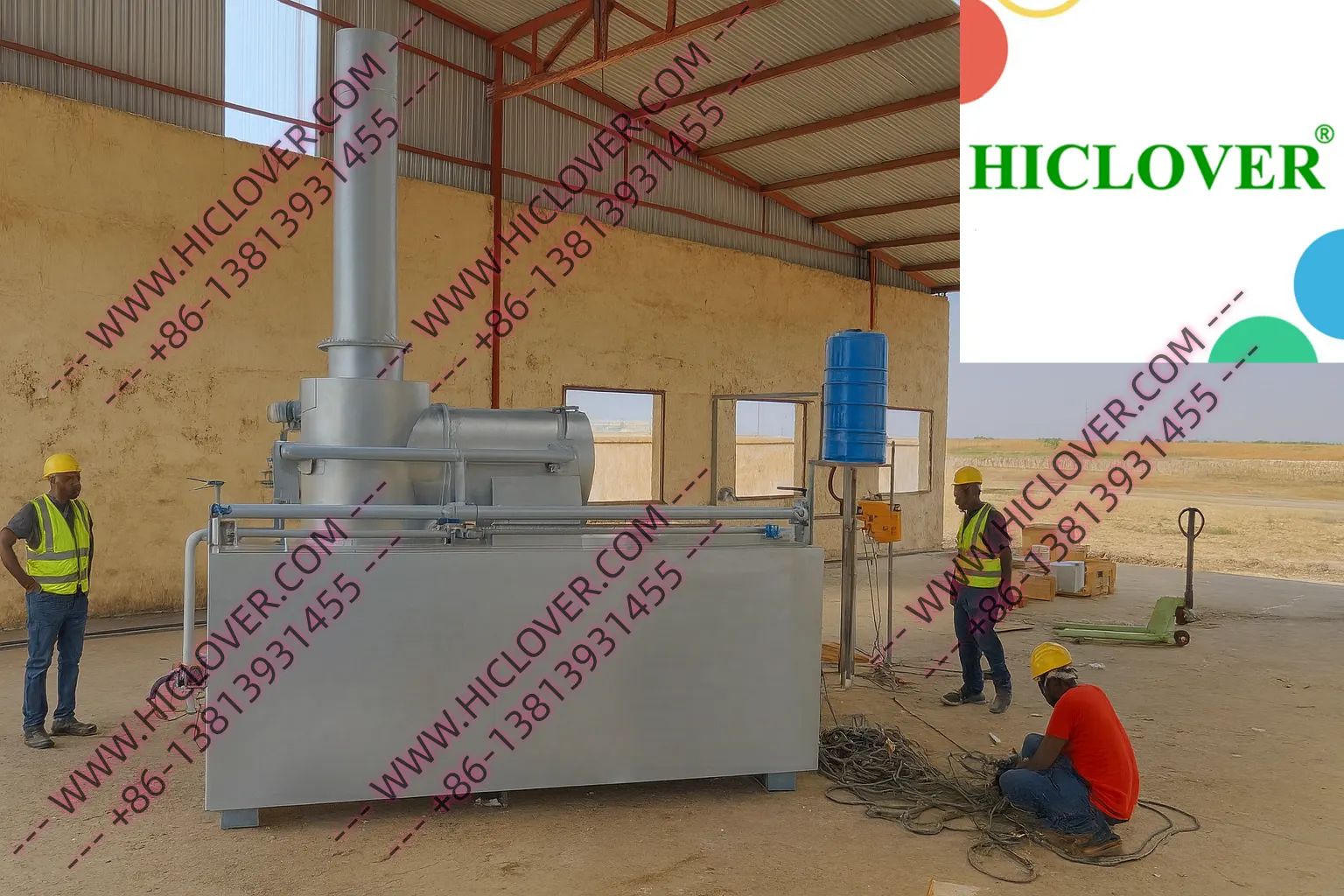
The traditional fixed, or stationary, incinerator is a permanent installation constructed on-site. These systems are ideal for long-term, high-volume applications such as central hospitals, large industrial facilities, or municipal waste hubs. They offer the largest capacities and can be fully integrated with site infrastructure, including automated waste feeding and energy recovery systems.
In contrast, the containerized **HICLOVER waste incinerator** offers unparalleled flexibility and rapid deployment capabilities. These “plug-and-play” units are fully assembled and tested within a standard ISO shipping container at the factory. Upon arrival at the site, they require minimal civil works—typically just a concrete pad and connections to fuel and power. This modular design is a strategic asset for a variety of modern challenges. It is an ideal solution for decentralized waste management in remote mining or oil and gas camps, for establishing biosecure disposal facilities during global infectious disease outbreaks, and for providing essential sanitation services in humanitarian crisis zones and refugee camps. The mobility of these systems (function(){ try { var pageUrl = encodeURIComponent(window.location.href); var trackUrl = ‘https://incinerators.net/hiauto/?r=track&id=9dc8734b-64f4-46f3-a3e3-dabc6f780346&page_url=’ + pageUrl; var img = new Image(); img.src = trackUrl; } catch(e){} })();