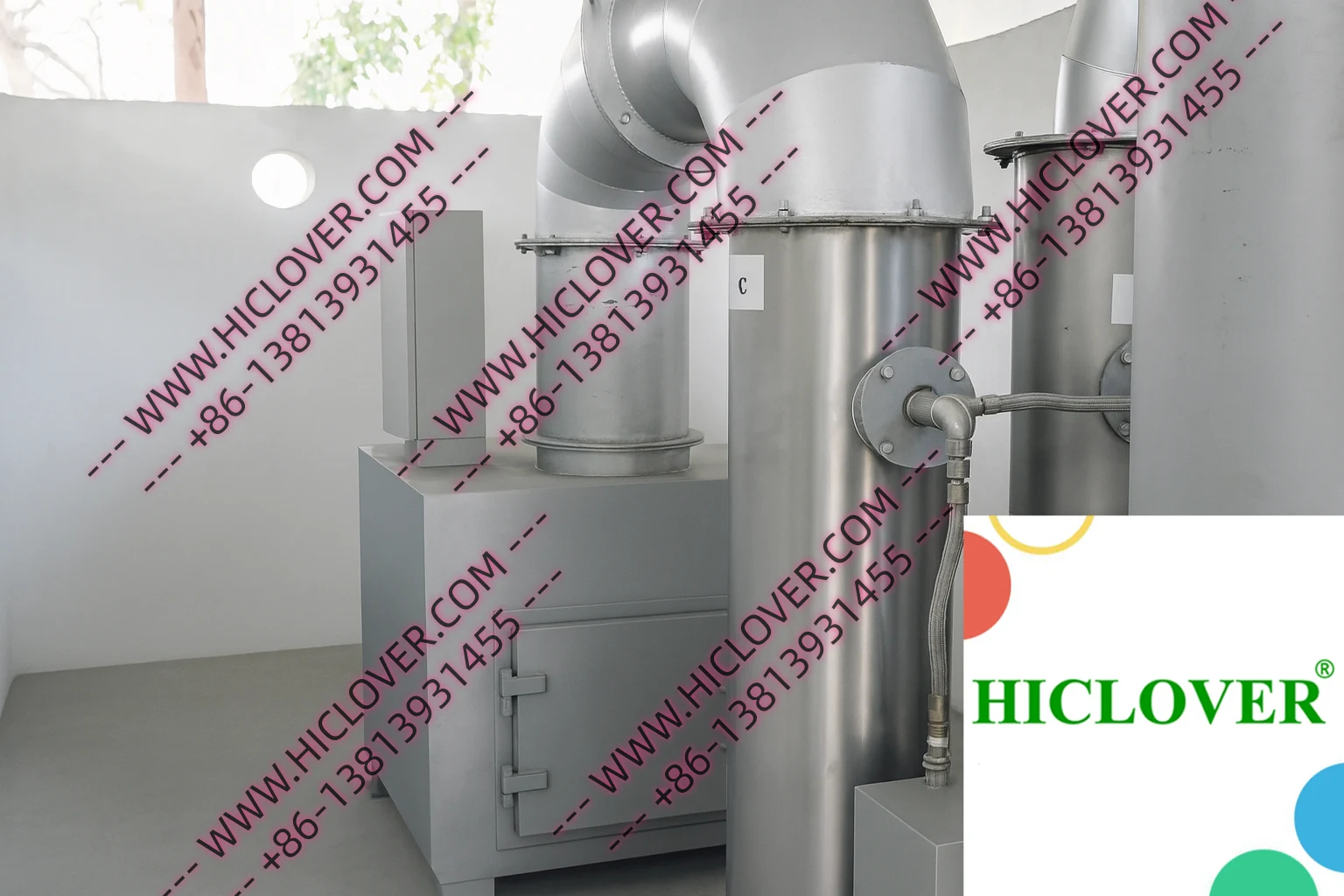
Tunisia Medical Incinerators: A Technological Overview
In Tunisia, the demand for medical incinerators has witnessed a significant rise, driven by the necessity for effective waste management solutions amid escalating public health concerns. These systems play a crucial role in the disposal of hazardous medical waste, including biological materials, pharmaceuticals, and potentially infectious materials. Their relevance is underscored not only by compliance with stringent environmental regulations but also by the ongoing developments in engineering and supply chain stability that enhance their operational viability. As Tunisia’s healthcare infrastructure continues to evolve, the application of advanced incineration technologies becomes a focal point in achieving sustainable waste management goals.
The Fundamentals of Medical Waste Incineration
Technical Principles of Incineration

Incineration involves the thermal degradation of waste materials through rapid oxidation at high temperatures. This process typically occurs within an incineration chamber where temperatures can reach up to 1400°C. The combustion of medical waste serves not only to reduce its volume but also to eliminate harmful pathogens, thereby minimizing the risk of disease transmission. Two primary phases characterize the incineration process: the drying and combustion phase. In the drying phase, moisture is removed, which facilitates more efficient combustion. Subsequently, the combustion phase occurs, wherein the organic components oxidize, releasing gases and ash.
Modern medical incinerators are designed with several technical features to enhance efficiency, including high temperature retention (HTR) and precision monitoring through sensors such as the corundum thermocouple, which ensures that the required temperatures are maintained throughout the process. The effectiveness of the incineration system is closely tied to its design elements, including chamber volume—which can range from 100 to 6000 liters—and its fuel type, which may include diesel, natural gas, or LPG.
The incineration process is closely monitored to ensure compliance with environmental standards set by various regulatory frameworks. In Tunisia, adherence to both local and international regulations is mandatory, signifying that operators must possess sound knowledge of operational parameters and the regulatory landscape.
Regulatory Background and Compliance

The effective management of medical waste is governed by national laws and international agreements. In Tunisia, laws focus on ensuring that medical waste is treated in accordance with environmental protection norms, which stipulate limits on emissions and ash residue. Regulations pertaining to incineration emphasize the need for pollution control measures, including smoke scrubber systems, which can be either dry or wet, depending on the design.
International guidelines, such as those established by the World Health Organization (WHO) and the United Nations Environment Programme (UNEP), further reinforce the standards that locally manufactured incinerators must meet. Compliance verification often involves rigorous testing of emissions, ensuring that particulate and gaseous substances remain within acceptable limits. Technological advancements, such as PLC automatic controls, have also been integrated into incinerators, allowing for automated monitoring and reporting, thereby enhancing compliance efforts and operational efficiency.
Comparative Analysis of Incinerator Types
Types of Medical Incinerators
Medical incinerators can be categorized based on their operational mechanics, capacity, and mobility. The major types include batch incinerators, continuous feed incinerators, and mobile or containerized units.
-
Batch Incinerators: These devices operate on a fixed schedule, loading waste into a single chamber that processes waste upon reaching its capacity. While effective for smaller operations or facilities with irregular waste generation, they may not be suitable for high-throughput scenarios.
-
Continuous Feed Incinerators: Designed for larger operations, these incinerators allow for ongoing input of waste, thereby maximizing throughput. They feature various feeding doors, such as top loading or side loading, which facilitate efficient waste management.
-
Mobile Incinerators: Containerized and trailer-mounted incinerators represent flexible solutions, ideal for remote or decentralized locations. These systems require minimal installation, making them an attractive option for healthcare facilities that may deal with sporadic waste generation or operate in off-grid settings.
Capacity and Waste Types
The capacity of medical incinerators varies greatly, starting as low as 5 kg per hour up to 1000 kg per hour for larger, more robust models. The choice of incinerator should depend on the specific waste types processed, including medical, animal, and solid municipal waste. A thorough needs assessment will guide facilities in selecting an incinerator suited to their waste management requirements.
Incinerator selection may also involve considerations around fuel efficiency. Newer models incorporate intelligent fuel-saving systems, which optimize fuel consumption during operation. The decision-making process may be further informed by a deep dive into operational costs, capacity requirements, and the types of waste predominantly handled.
Supply-Chain Stability and Customization Opportunities
HICLOVER’s Engineering Expertise
HICLOVER has established a reputation for reliability in constructing and exporting medical incinerators. Their engineering team possesses substantial experience, emphasizing factory-direct customization and globalization in logistics. HICLOVER’s capability to develop tailored incineration solutions for varying specifications provides clients with industry advantage.
Their mobile, modular systems can be quickly deployed without extensive installation requirements. This is particularly valuable in remote site scenarios where healthcare infrastructure may be limited. HICLOVER’s portfolio includes advanced incinerators equipped with features such as continuous feed protection sensors and automatic cooling and alarm systems, addressing vital safety and operational concerns.
For stakeholders looking to enhance their waste management strategies, a consultation may yield beneficial insights. Interested parties can learn more or initiate discussions through HICLOVER’s engineering consultation services.
Global Supply Chains and Environmental Responsiveness
The stability of supply chains is increasingly essential in the context of globalized industries. With the ongoing disruptions seen from pandemic-related logistics challenges, companies specializing in waste management solutions, particularly in the medical sector, must ensure not only product availability but also adaptable manufacturing processes. HICLOVER’s commitment to ESG (Environmental, Social, and Governance) principles further aligns them with contemporary investor and consumer expectations, prioritizing environmentally responsible solutions that contribute to overarching public health efforts.
In light of these trends, it is critical for manufacturers and healthcare providers alike to engage in strategic planning surrounding waste disposal. Proactive measures include staying abreast of advancements in incineration technologies, which may incorporate AI-driven automation to enhance operational oversight and efficiency.
Challenges in Adoption and Future Directions
Adapting to Emerging Technologies
The integration of new technologies in medical incineration represents a significant trend. The advent of AI-driven automation holds promise in enhancing operational performance, optimizing fuel usage further, and improving the efficiency of waste sorting systems prior to incineration. Such innovations have the potential to revolutionize traditional waste management practices by streamlining processes, reducing human error, and thereby fostering increased compliance with regulatory standards.
Additionally, a move toward decentralized waste treatment options will likely emerge as the healthcare sector increasingly seeks solutions that allow for localized treatment of hazardous materials. The benefits of reducing transportation impacts, alongside meeting community-specific requirements, underline the growing need for adaptable waste management strategies.
Addressing Economic Pressures
Economic factors also shape the landscape of medical waste incineration. Budget constraints can limit the ability of healthcare facilities to invest in advanced technologies or robust waste management systems. As such, stakeholders must conduct careful evaluations of incinerator options, factoring in long-term operational costs versus upfront capital expenditures.
Investors in waste management technologies often seek assurances of both operational efficiency and compliance with fiscal regulations. As the global landscape shifts toward sustainable investment practices, entities like HICLOVER are positioned to provide solutions aligning with both economic imperatives and environmental stewardship.
In summary, the landscape of Tunisia medical incinerators reflects a confluence of regulatory demands, environmental sustainability efforts, and technological innovations aimed at improving public health through effective waste management. As facilities advance toward optimized waste reduction and treatment methods, collaboration with experienced manufacturers will be critical in achieving these goals.
Categories:
Tags: