
Kenya medical waste is a critical issue that requires immediate attention due to its implications for public health and environmental safety. In a nation that is rapidly developing its public health infrastructure, the effective management of medical waste is essential. Incineration, specifically through specialized machinery capable of handling various waste types, has emerged as a prominent solution. The use of Central African incinerator spare parts aligns with the need for reliable equipment in waste management. As demands rise for robust waste treatment solutions, understanding the engineering credibility and supply-chain stability concerning incinerators becomes increasingly relevant in today’s world.
The importance of addressing Kenya medical waste extends beyond simple disposal; it is a matter of public health and environmental sustainability. As healthcare facilities increase in both number and capacity, they generate more medical waste, necessitating advanced incineration solutions. This surge in waste production compels the exploration of diverse technologies capable of handling large volumes with varying efficiency levels. Utilizing spare parts made available through local supply chains enhances operational uptime, as it allows for prompt maintenance and service, thus ensuring fiduciary responsibility and compliance with environmental regulations.
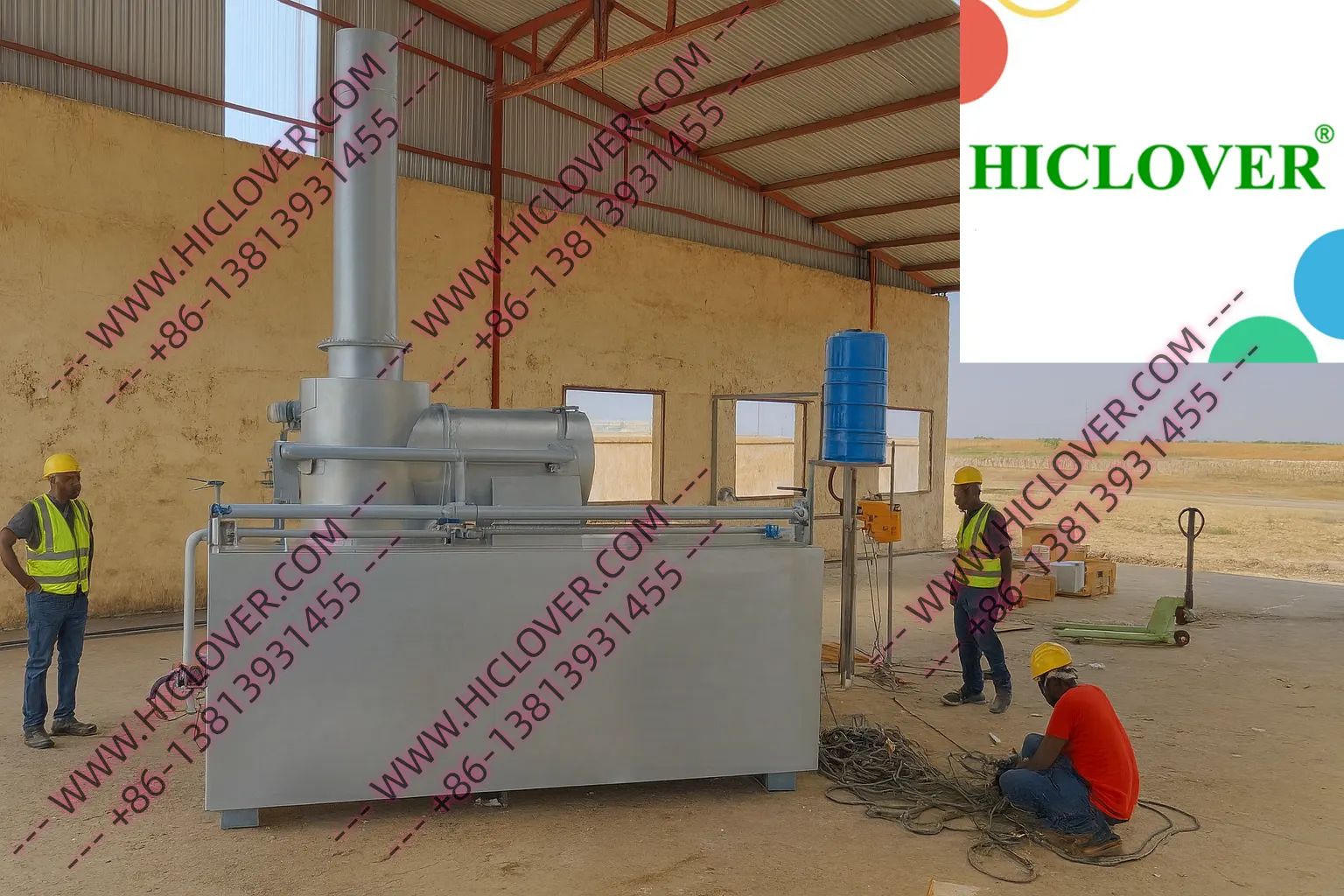
Regulatory Framework Surrounding Medical Waste Management
The regulatory landscape for medical waste management in Kenya is influenced by both local and international standards aimed at ensuring public health and safety. The Environmental Management and Coordination Act (EMCA) outlines the legal framework for waste management, necessitating compliance with stringent disposal methods for toxic and hazardous waste products. Furthermore, guidelines established by the World Health Organization (WHO) focus on minimizing risks associated with healthcare waste through proper segregation, storage, treatment, and disposal.
In light of these requirements, incineration has garnered recognition for its ability to effectively reduce the volume of medical waste while mitigating environmental impact. Incinerators designed for medical waste treatment must operate at temperatures exceeding 1,000°C, employing High Temperature Retention (HTR) to ensure complete combustion. This ensures that hazardous materials are destroyed and that harmful emissions are significantly reduced. In Kenya, the focus on cultivating an efficient waste management system is deepening, further emphasizing technological advancements aimed at refining incineration processes.
A significant trend in the medical waste management sector is the shift toward decentralized waste treatment systems. This trend aligns with the evolving landscape of public health infrastructure. Decentralization facilitates on-site disposal, minimizing transportation costs and associated environmental risks. The availability of medical incinerators that feature mobile types—such as containerized solutions—serves to enhance operational flexibility for healthcare facilities, particularly in remote or under-served areas. This is increasingly relevant as healthcare access expands across the region, making timely waste disposal an essential part of infection control and public safety initiatives.
Types of Incineration Technologies Utilized for Medical Waste
The choice of incineration technology is paramount in ensuring efficient and compliant waste management. Several types of incinerators are presently in use, with varying capacities, chamber volumes, and operational designs. Facilities can opt for fixed based incinerators or mobile units that allow for rapid deployment. The choice ultimately hinges on factors such as waste type, volume, access, and operational budget.
Fixed Incinerators
Fixed incinerators are permanent installations often utilized by larger health institutions and hospitals. Ranging in capacity from 100 kg to over 1,000 kg per hour, these units typically feature substantial combustion chambers—often sized between 100 to 6,000 liters. They can be equipped with advanced PLC automatic controls, enabling precise management of incineration parameters such as air supply, temperature, and combustion levels. Furthermore, sophisticated smoke scrubber systems, including both dry and wet scrubbers, enhance their capability to minimize pollutants released into the atmosphere.
Mobile Incinerators
Mobile incinerators, also known as containerized units, provide flexible waste treatment solutions. These units can be transported to various sites, allowing for localized waste disposal—especially critical in regions where infrastructure is lacking. Systems designed for mobile use often come equipped with integrated fuel tanks, ensuring that they can operate independently without the immediate need for external power sources. This aligns with the growing demand for decentralized waste treatment solutions across Kenya, promoting accessible and sustainable disposal methods.
The diversity in incinerator design underscores the need for careful evaluation of application scenarios. Biomedial waste management often necessitates reliable temperature monitoring systems, such as 1,400°C Corundum thermocouple monitoring, ensuring that incinerators achieve optimal operating conditions to destroy potentially infectious pathogens effectively. Understanding these technical details is essential for professionals seeking to enhance operational efficiencies in waste treatment.
Economic Considerations and Efficient Supply Chain Management
The incinerator market for medical waste in Kenya is influenced heavily by cost considerations and effective supply chain management. Investment in incineration technology should account for not only purchase price but also long-term operational costs, including maintenance and fuel expenditure. The use of diesel, natural gas, or LPG as fuel sources can significantly impact these costs, making careful analysis essential during procurement.
Companies like HICLOVER leverage their extensive engineering experience to offer factory-direct supply of customizable incineration solutions. They emphasize potential cost savings through intelligent fuel-saving systems that optimize fuel usage based on operational requirements. This capability is beneficial in remote deployments where access to fuel may be limited and the need for operational efficiency is critical. Customization options extend to features like feeding doors, which can be designed for side, front, or top loading, thus allowing facilities to tailor their incinerator systems for specific operational workflows.
Spare parts availability is another dimension of supply chain resilience. By securing spare parts—particularly those sourced from local suppliers—waste management facilities can maintain rigorous operational tempos, ensuring compliance with health and environmental regulations. Timely access to repairs is essential in minimizing downtime while optimizing throughput and operational capacity.
For professionals in the waste management field considering investment in incineration technology, it is crucial to explore the comprehensive capabilities and custom solutions that providers like HICLOVER offer. They not only facilitate factory-direct support but also ensure that both local and global shipping needs are met efficiently.
The Role of Environmental, Social, and Governance (ESG) Investments
As global trends pivot toward greater accountability in environmental management practices, many investors are prioritizing organizations that align with ESG principles. The incineration of medical waste presents a unique opportunity to address pressing environmental concerns while adhering to social responsibility frameworks.
Healthcare facilities that invest in state-of-the-art waste management technologies are making strides towards minimizing their carbon footprints. By implementing incinerators designed with advanced emissions control technologies, including automatic protection operator systems, they contribute to cleaner air quality. Additionally, the integration of continuous feed protection sensors enhances safety while ensuring that the incineration process adheres to best practices.
Investors increasingly seek companies actively engaged in sustainable practices and compliance with environmental regulations. Incineration systems that boast reduced emissions and efficient waste processing play a critical role in shaping a positive perception of healthcare providers. This alignment with ESG criteria translates into enhanced reputation, potentially attracting greater investment opportunities.
Furthermore, operational practices revolving around waste management reflect a facility’s commitment to social responsibility. Incineration processes that prioritize worker safety through automation and monitoring not only enhance efficiency but also outline a strong commitment to workplace well-being and community safety.
Future Directions in Medical Waste Management Technology
The continual evolution of medical waste management technology is poised to transform the landscape in Kenya and throughout the region. As public awareness of environmental sustainability grows alongside healthcare expansion, the demand for streamlined waste disposal systems will only increase. Technological advancements in incineration will likely incorporate artificial intelligence and automation, optimizing operational consistency and efficiency.
With mobile technology making strides, there could be a wider deployment of containerized incineration systems capable of rapid setup and operation, especially in the face of public health emergencies. The maintenance of equipment through remote monitoring and diagnostic functionalities will facilitate quick interventions, enhancing operational reliability. By focusing on these innovative trends, stakeholders in the healthcare industry can pave the way for a more resilient waste management framework.
Investments in training and maintaining personnel skilled in operating sophisticated incineration systems will also bear fruit, as this ensures compliance with evolving regulatory standards. Furthermore, additional research into sustainable fuel options and
Categories:
Tags: