
The rise in public health concerns has necessitated an efficient and sustainable solution for waste management, particularly for hazardous materials like medical waste. Morocco incinerators for medical waste represent an innovative response to these requirements, providing crucial engineering capabilities in waste disposal. The integration of advanced technology into incineration systems not only demonstrates adherence to stringent environmental regulations but also enhances supply-chain resilience in healthcare sectors. With the increasing need for reliable waste management solutions, understanding the technical aspects and operational efficiencies of these incinerators is vital for both industrial stakeholders and regulatory bodies.
Understanding Medical Waste Management in Morocco
Regulatory Framework and Health Impact
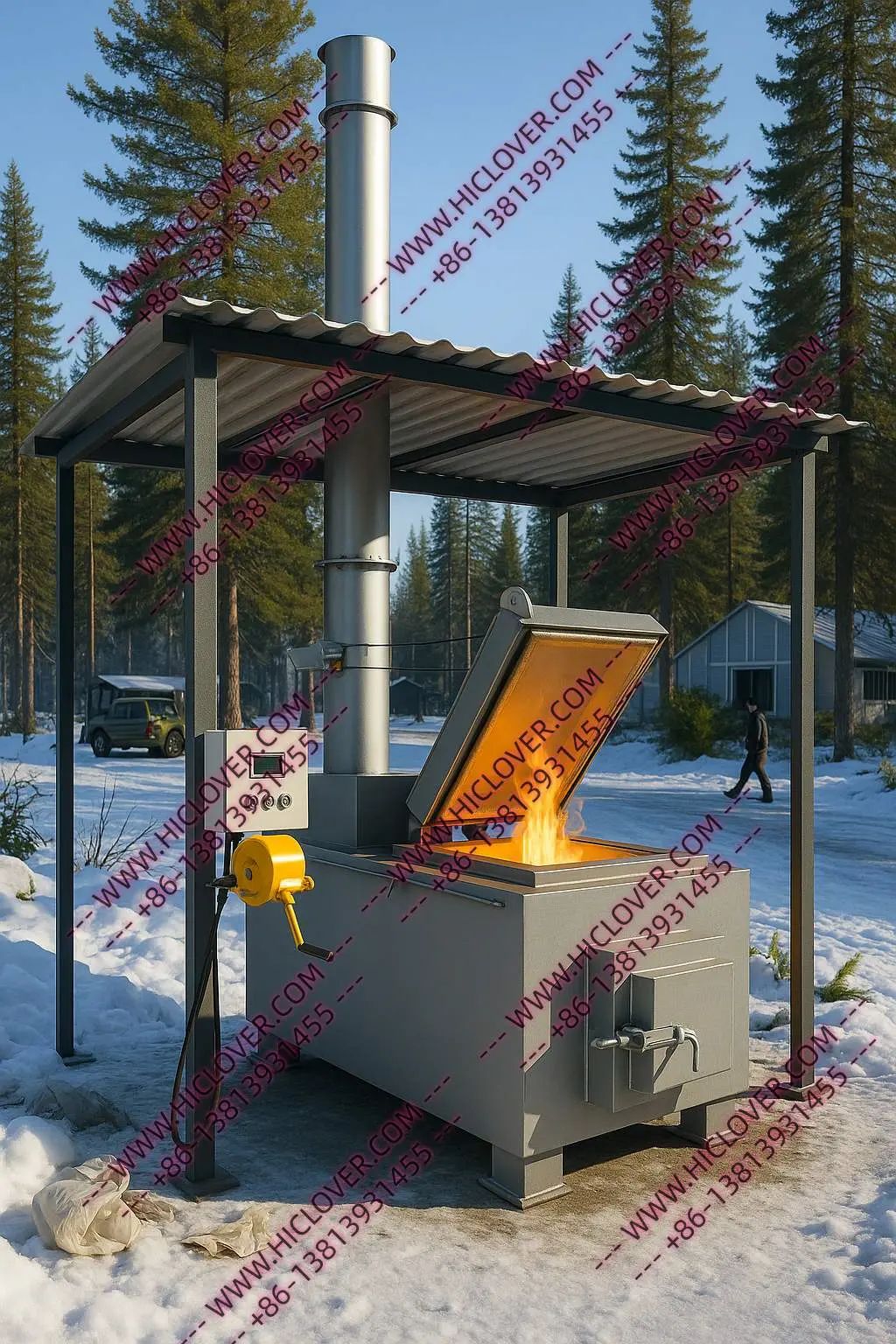
In Morocco, the management of medical waste is governed by a complex set of regulations aimed at safeguarding public health and the environment. Medical waste can contain infectious agents, chemicals, and sharps, making its disposal imperative to prevent contamination and disease transmission. The Moroccan government has made significant strides in establishing regulations that align with global best practices, though challenges remain in implementation and infrastructural adequacy.
The incineration process is a critical component of this regulatory landscape, as it allows for the safe destruction of hazardous materials at high temperatures, thereby minimizing environmental impact. Morocco’s commitment to enhancing its waste management infrastructure aligns with global trends focused on public health infrastructure and ensures compliance with global environmental standards such as those outlined by the World Health Organization (WHO).
Combustion Logic and Engineering Principles
Incinerators for medical waste operate on the principle of controlled combustion, where waste is subjected to high temperatures ranging from 800°C to 1400°C. The design of these incinerators facilitates the complete oxidation of waste materials, resulting in the conversion of solids into ash, gaseous emissions, and heat. The efficiency of this process relies heavily on several engineered components such as furnace design, air supply systems, and temperature monitoring devices, including 1400°C corundum thermocouple monitoring for precise temperature control.
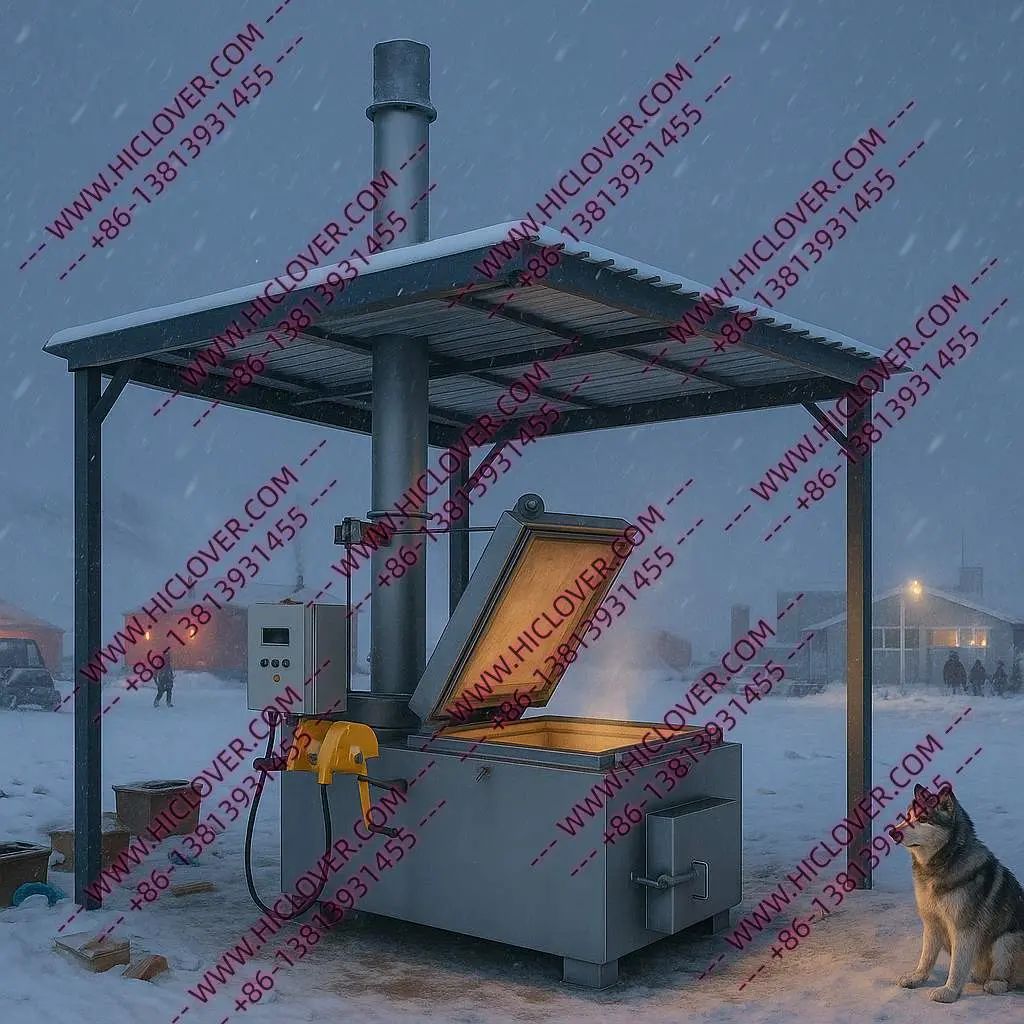
The engineering logic behind incinerator design ensures adherence to environmental standards while maximizing waste throughput. High Temperature Retention (HTR) in the combustion chamber serves not only to improve combustion efficiency but also to break down complex molecules effectively. Technologies such as PLC automatic controls and continuous feed protection sensors ensure that operations are optimized and safety protocols are upheld.
Types of Incinerators Available for Medical Waste Disposal
Comparative Analysis of Incinerator Types
When exploring Morocco incinerators for medical waste, stakeholders encounter several types, each designed for specific applications and waste capacities. Common variations include:
-
Static Incinerators: Designed for batch processing, static units offer simplicity and lower operational costs. They are typically utilized in smaller healthcare facilities.
-
Cyclic Incinerators: These systems provide a balance of efficiency and flexibility, allowing for varying wasteloads. While slightly more complex, they offer better emission control and fuel adaptability.
-
Continuous Feed Incinerators: Mobile systems often utilize side loading or top-loading mechanisms to facilitate constant operation. Continuous feed systems are preferred for larger medical facilities or those with high waste generation rates, capable of processing between 5–1000 kg per hour.
A significant consideration in selecting the appropriate incinerator type involves understanding the composition of the waste. Different incinerators may exhibit varying performance metrics based on the waste’s calorific value, moisture content, and toxicological properties. Moreover, some facilities may utilize integrated fuel tanks to support operational flexibility, ensuring uninterrupted service in remote locations.
Application Scenarios and Capacity
The choice of incinerator also hinges upon the facility’s operational capacity and the distinct types of medical waste being treated. Medical waste encompasses a variety of materials, including sharps, pathological waste, and pharmaceutical residues. Accordingly, incinerators must be equipped to handle this spectrum effectively.
In urban centers or large hospitals, modular incinerators provide effective solutions, with chamber volumes ranging from 100 to 6000 liters facilitating high-capacity processing. Conversely, smaller facilities or remote clinics may opt for more compact, portable options such as containerized or trailer-mounted incinerators. Mobile units not only simplify logistics but also offer the advantage of immediate deployment to varied locations, thus serving the needs of decentralized waste treatment solutions.
Technical Features Enhancing Operational Efficiency
Fuel Options and Their Impact
The choice of fuel is critical in incineration technology, influencing both operational costs and emissions profile. Incinerators may utilize conventional fuels such as diesel and natural gas, as well as emerging alternatives such as Liquefied Petroleum Gas (LPG). The intelligent fuel-saving systems integrated into modern incinerators monitor consumption and optimize usage, significantly reducing operational costs.
Additionally, using gaseous fuels can improve combustion efficiency and reduce harmful emissions, aligning with environmental goals prevalent within global ESG (Environmental, Social, and Governance) investment trends. Facilities opting for natural gas or LPG benefit from cleaner combustion as compared to traditional fuels.
Emission Control Mechanisms
Effective emission control mechanisms constitute a mandatory feature in the modern incineration of medical waste. Utilizing advanced smoke scrubber systems—either dry or wet—these technologies significantly mitigate environmental impact by filtering harmful constituents from exhaust gases. By incorporating multiple stages of filtration and treatment, modern incinerators align with stringent regulatory frameworks that govern airborne pollutants.
Automatic systems, such as those featuring an automatic protection operator (APO) and alarms, enhance operational safety by preventing incidents during the disposal process. This dual-focus on regulatory compliance and public safety fortifies the engineering credibility of incineration facilities, fostering confidence among stakeholders.
HICLOVER’s Commitment to Engineering Excellence
Manufacturing Background and Customization
HICLOVER stands out in the landscape of medical waste incineration through its extensive engineering experience and adaptability. The commitment to factory-direct supply ensures that facility owners receive custom-tailored solutions that meet specific operational requirements, reinforcing overall supply-chain stability. HICLOVER’s range of incinerators includes mobile and modular units designed for rapid deployment, thereby mitigating logistical challenges associated with waste management.
Moreover, each product undergoes rigorous quality control processes to ensure that every incinerator aligns with international standards, hence promoting engineering reliability and long-term sustainability. This alignment with global practices speaks to HICLOVER’s dedication to supporting health infrastructure — a pressing need in the face of evolving global health crises.
Supply-Chain Resilience Through Local Solutions
The increasing focus on local waste management solutions, fueled by decentralized waste treatment trends, amplifies the importance of reliable suppliers like HICLOVER. By facilitating engineering consultations and supporting customization for unique medical waste types, HICLOVER ensures clients benefit from resilient solutions tailored to their infrastructure and operational challenges.
Facilities exploring options for waste treatment can engage with HICLOVER’s experts to understand the most suitable configurations for their specific needs. Potential customers are encouraged to consult more information available through HICLOVER’s website (https://www.hiclover.com/) for tailored solutions or inquiries.
Global Trends Influencing Incineration Practices
Integrating AI-Driven Automation
In recent years, the integration of AI-driven automation within waste management systems has made significant strides. Such technology facilitates predictive maintenance, optimizing operational performance through data analytics. AI algorithms can monitor incinerator performance, reducing downtime and enabling facilities to adhere to strict maintenance schedules. This technological integration not only boosts efficiency but also aligns with the trending focus on smart waste management solutions that enhance operational oversight.
Impact of Health Infrastructure on Waste Management
The ongoing evolution of global health infrastructure invariably impacts the strategies employed in waste management. The coronavirus pandemic illustrated the fragility of health systems worldwide, prompting a reassessment of how medical waste is managed. Countries like Morocco are observing this trend to boost their infrastructure, ensuring waste is handled effectively, thus safeguarding public health and environmental integrity.
By reinforcing local healthcare capabilities and disaster preparedness through technical innovations, Morocco is positioning itself to better manage future health emergencies.
ESG Investments Driving Sustainable Solutions
Environmental, Social, and Governance (ESG) investment strategies are fundamentally reshaping the way waste management techniques are approached globally. This shift emphasizes sustainable practices, placing an increased focus on technologies that reduce carbon footprints. Morocco incinerators for medical waste, by employing advanced combustion technologies and emission controls, align with these trends, prompting greater interest from investors committed to sustainable development.
As businesses continue to seek environmentally responsible methods for waste disposal, the importance of effective incineration technologies remains paramount. Stakeholders are encouraged to remain informed on available solutions and advancements in incineration practices for enhanced operational efficiencies.
The developments in waste management technology, particularly in incineration systems, represent a crucial evolution in public health infrastructure. Advancements in engineering design, coupled with a focus on sustainability through ESG principles and automation, reinforce the role of incinerators. Through organizations like HICLOVER, stakeholders can access tailored solutions that not only meet regulatory standards but also enhance overall public health outcomes.
Categories:
Tags: