
Understanding the Role of Kenya’s Incinerator Manufacturers in Industrial Waste Management
In the context of waste management in Kenya, the need for effective incineration technology is paramount. As a prominent Kenya incinerator manufacturer, businesses like HICLOVER are leading the forefront by providing tailored industrial solutions that ensure compliance with both local and international environmental regulations. With a strong emphasis on engineering solutions and supply-chain stability, these manufacturers play a vital role in enhancing public health infrastructure. The incineration of various waste types, such as medical and solid municipal waste, requires high-performance systems that adhere to strict operational and safety standards, illustrating the relevance of engineering credibility in this field.
The Technical Mechanics of Incineration
Incineration is a thermal treatment process that reduces waste volume and produces energy through combustion. The fundamental principles involve high-temperature combustion of waste in a controlled environment, resulting in carbon dioxide, water vapor, and inert ash. The critical components for successful incineration include the design of combustion chambers, emission control systems, and fuel choices.
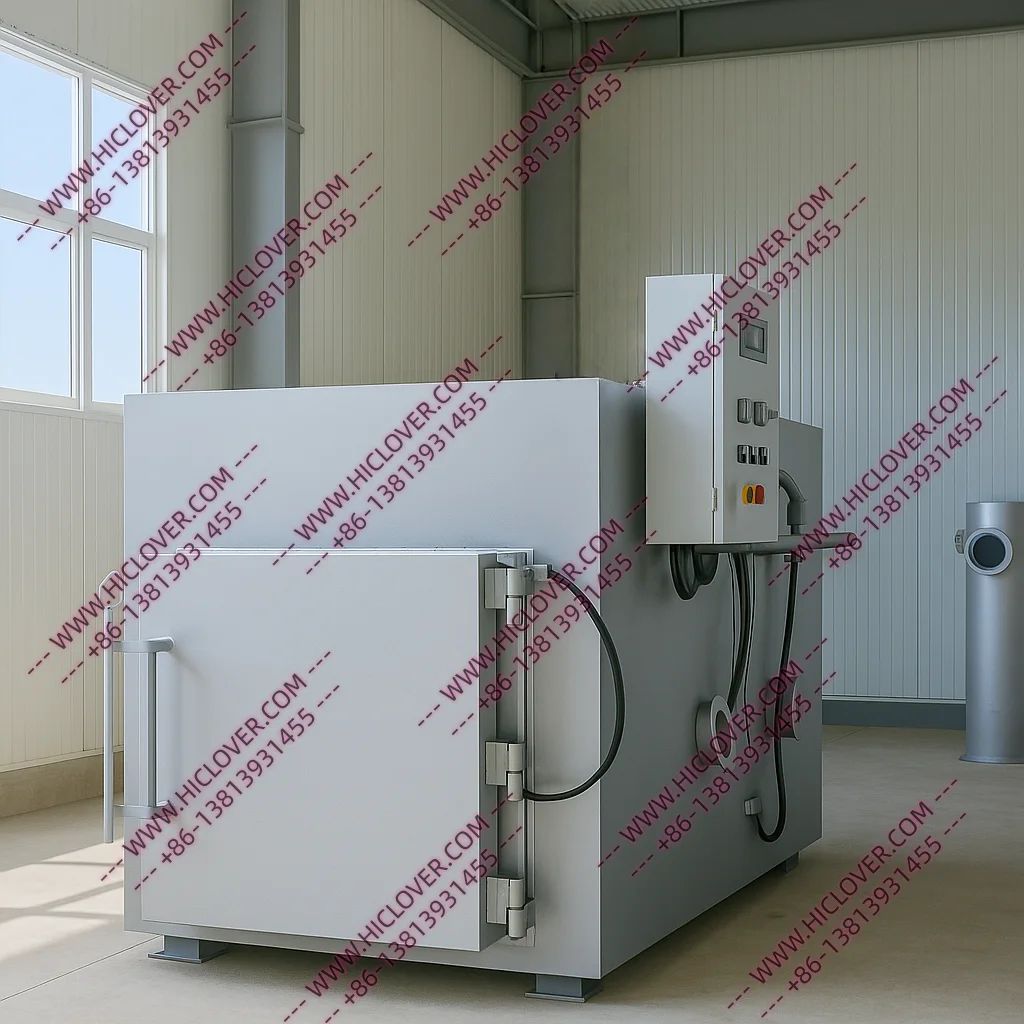
Combustion Chamber Design
The design of the combustion chamber is a significant engineering consideration. Depending on the manufacturing specifications, the chamber volume can vary dramatically, ranging from 100 to 6000 liters, suitable for diverse operational scales. A well-designed combustion chamber ensures efficient energy release and optimal waste degradation through high temperature retention (HTR) designs. For instance, maintaining temperatures above 1400°C is essential for complete waste breakdown, which can be monitored using advanced corundum thermocouples.
Fuel Choices and Efficiency
Fuel types are another critical factor influencing the efficiency of incinerators. Manufacturers offer options such as diesel, natural gas, and LPG, allowing for flexibility depending on resource availability and cost-effectiveness. HICLOVER’s incinerators often integrate intelligent fuel-saving systems to optimize fuel consumption, thus aligning with current carbon compliance trends. The ability to utilize different fuels also supports decentralized waste treatment solutions, a necessity in remote Kenyan locations where infrastructure may be lacking.
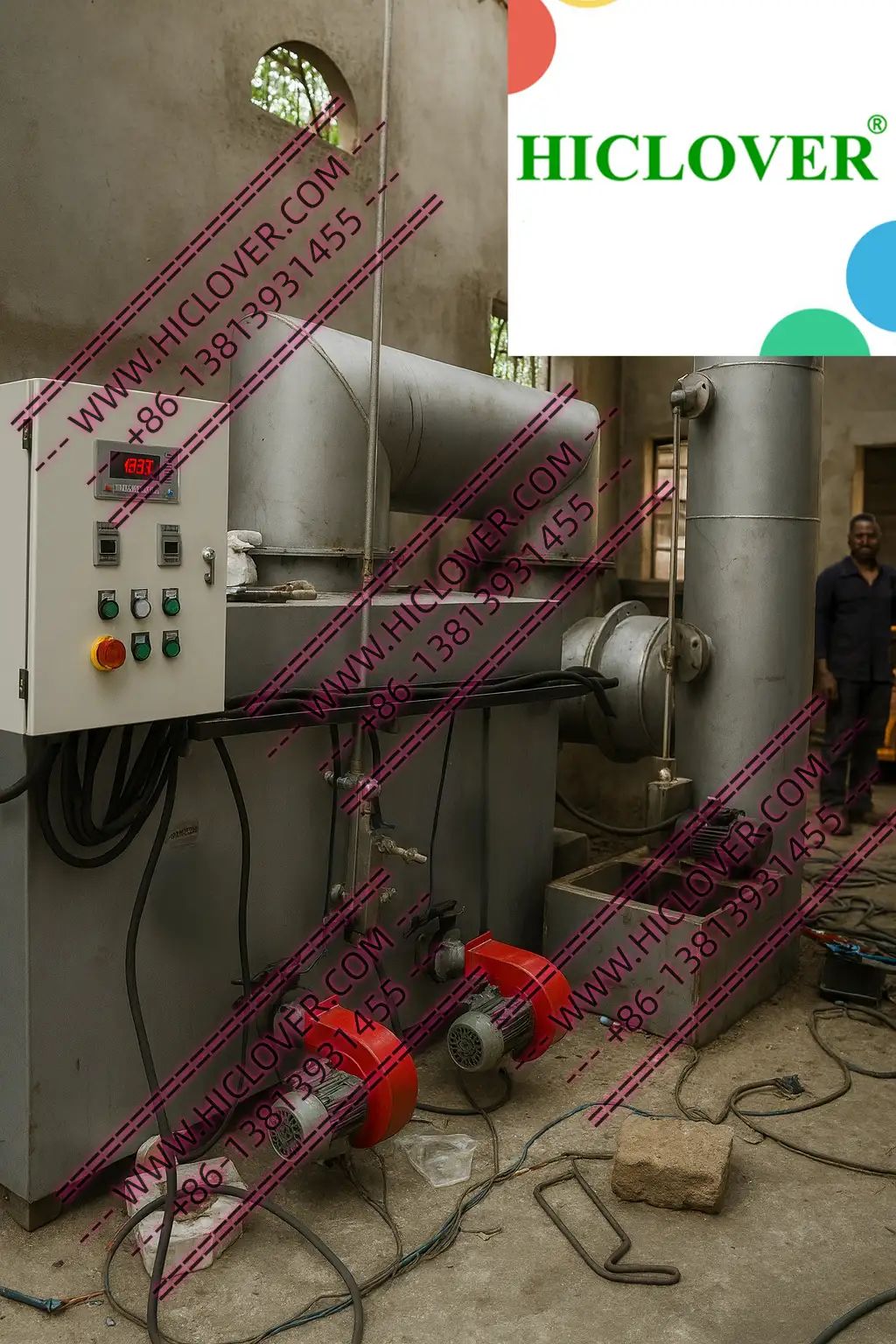
Emission Controls and Safety Mechanisms
Regulatory compliance mandates stringent emission control measures. Manufacturers implement advanced smoke scrubber systems, both dry and wet models, to minimize airborne pollutants. Additionally, the integration of PLC automatic controls ensures seamless operational management, reducing hazardous emissions through automated monitoring systems. Continuous feed protection sensors and automatic cooling systems enhance safety, effectively mitigating operational risks.
For detailed technical specifications and design options, prospective clients can explore HICLOVER’s offerings.
Regulatory Framework and Compliance Standards
In Kenya, the framework governing waste management and incineration is shaped by both local environmental policies and global sustainability goals. The need for compliance with international environmental standards, such as the Basel Convention, has heightened the responsibility of incinerator manufacturers.
National and Global Regulations
Kenyan regulations established by the National Environment Management Authority (NEMA) demand that waste treatment facilities operate under strict environmental guidelines. These regulations encompass emission limits, operational permits, and monitoring requirements that ensure public health safety. Compliance not only supports sustainable development goals (SDGs) but also enhances investment viability in waste management technologies.
Engineering Applications: Adapting to Regulatory Needs
Manufacturers like HICLOVER focus on delivering customized solutions that comply with these regulations. By offering modular designs and mobile options, businesses can establish systems that meet regulatory standards while addressing the logistical challenges of waste management in urban and rural settings alike. Systems that require no installation, such as containerized incinerators, allow for rapid deployment and operational readiness.
The importance of staying updated with compliance considerations can be further explored in the context of waste incineration emissions and legal guidelines.
Comparative Analysis of Incinerator Types
When selecting an incinerator, various factors, including waste type, incineration capacity, and operational goals, must be considered. Each incinerator type presents distinct advantages and limitations based on technical parameters and application scenarios.
Types of Incinerators
-
Rotary Kiln Incinerators: These are designed to handle hazardous and industrial waste effectively. Their capability to achieve high temperatures and maintain consistent combustion makes them suitable for heavy-duty applications.
-
Mass Burn Incinerators: Typically used for municipal solid waste, these incinerators can process large quantities of mixed waste without the need for upfront sorting, thereby streamlining waste management operations.
-
Fluidized Bed Incinerators: Known for their efficiency, fluidized bed systems provide uniform thermal treatment and are particularly beneficial for burning biomedical waste.
Processing Capacity and Scalability
Incinerators designed by HICLOVER offer various processing capacities ranging from 5 to 1000 kg per hour. This versatility allows facilities to select systems that match their operational waste throughput and growth expectations. Customization capabilities ensure that systems can be adapted to evolving waste management needs, reinforcing supply-chain resilience.
Application Scenarios
Different scenarios necessitate specific types of incinerators. Medical institutions handling hazardous medical waste require stringent safety measures and regulatory compliance, which can be effectively addressed using high-temperature incinerators integrated with real-time monitoring systems. In contrast, municipal waste treatment facilities benefit from mass burn technology that accommodates large volumes of mixed waste streams.
Engineering Innovation and Future Directions
In the context of incineration technology, ongoing innovations drive the industry toward more efficient and environmentally friendly practices. The integration of AI-driven automation is transforming operational paradigms, enabling smarter waste management solutions.
AI-Driven Automation
The application of AI in waste management presents unprecedented opportunities. Automated systems and data analytics can optimize operational efficiency, predict maintenance needs, and enhance monitoring systems. By utilizing predictive algorithms, manufacturers and operators can achieve significant resource savings and further reduce their carbon footprint. Moreover, maintaining operational compliance becomes more straightforward through automated reporting functionalities.
Remote-Site Deployment
With the increasing demand for waste management solutions in remote areas, manufacturers like HICLOVER are responding by providing mobile, modular systems that require minimal setup. These solutions facilitate emergency response to waste challenges in disaster-stricken areas or remote communities, ensuring that waste is managed effectively without heavy infrastructure investments.
ESG (Environmental, Social, and Governance) Investment
Corporate investment policies are increasingly prioritizing Environmental, Social, and Governance (ESG) factors. Investors seek companies that not only meet regulatory requirements but also demonstrate a commitment to sustainability. Incinerator manufacturers positioned to innovate and adapt practices in line with these trends can garner more significant investment, focusing on responsible waste management technologies that resonate with today’s market demands.
Customization and Supply-Chain Resilience
The customization capabilities offered by manufacturers play a critical role in meeting diverse client needs while ensuring supply chain resilience. By controlling production lines and providing factory-direct solutions, companies like HICLOVER can swiftly respond to market demands, enabling cost-effective and tailored solutions for waste management.
Engineering Consultation and Technical Support
Prospective buyers can leverage engineering consultation services to better understand their specific waste management needs and select appropriate solutions. By engaging in thorough discussions with experienced technical teams, clients can invest confidently in systems that will deliver optimal performance.
Global Shipping Support
The role of global shipping support cannot be understated. It ensures that advanced incinerator technologies are accessible worldwide. Robust logistics networks enable manufacturers to deliver systems quickly and efficiently, regardless of location, thus maintaining the continuity of waste management operations.
In building a sustainable future, the role of Kenya incinerator manufacturers extends beyond merely providing incineration equipment; they serve as integral partners in advancing waste management technologies that prioritize efficiency, environmental responsibility, and public health. Adapting to new trends and demands will remain vital for future innovation, meeting the evolving needs of the global landscape in waste management.
Categories:
Tags: