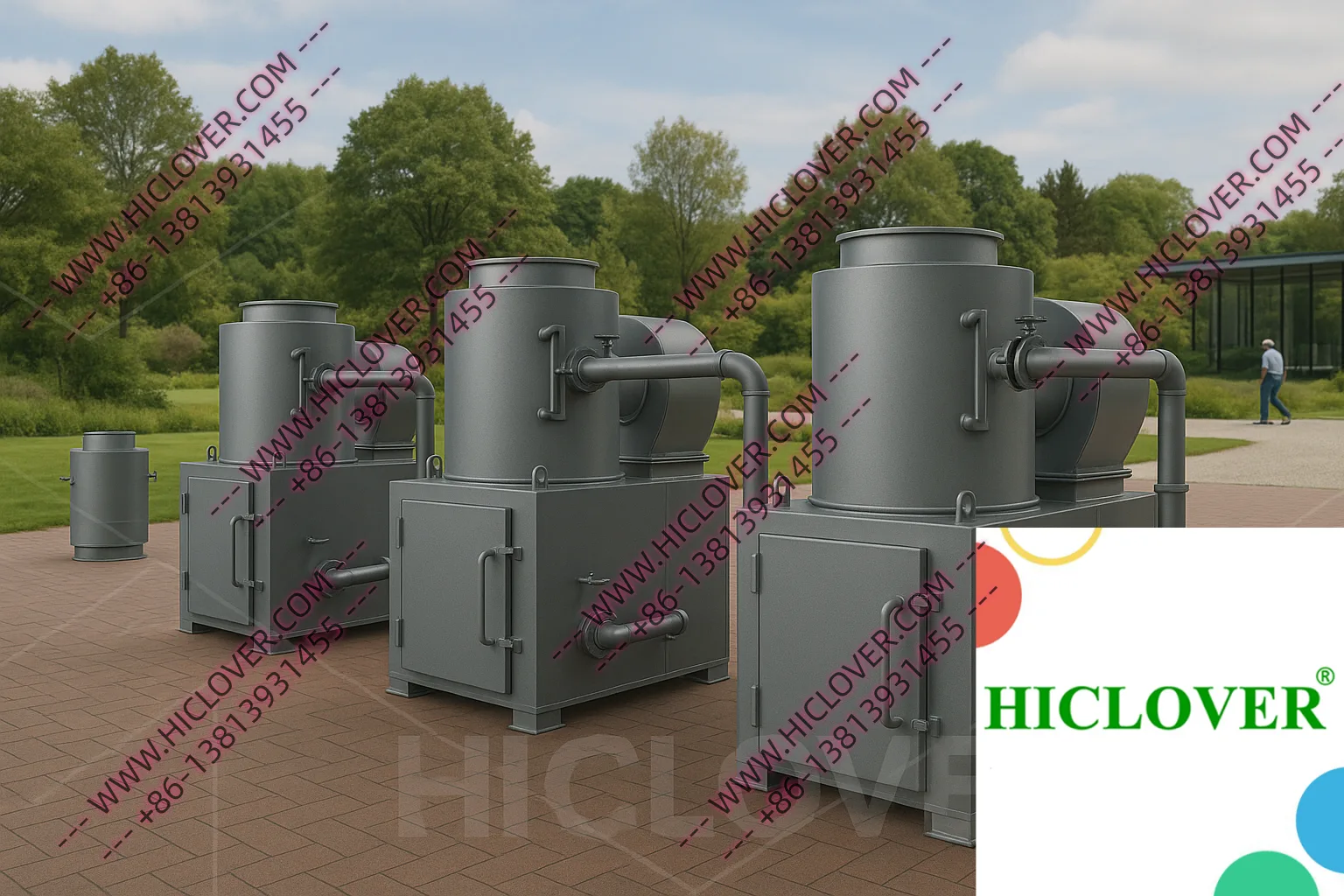
The procurement of Angola incinerators for sale from China aligns with the global trend toward effective waste management solutions that support public health infrastructure and environmental sustainability. With China’s extensive manufacturing capacities, especially in waste-to-energy technologies, there is a growing opportunity for Angolan industries to leverage advanced incineration systems that cater to both local and regional waste treatment needs. As countries like Angola grapple with increasing waste challenges, the solution can be found in the industrial application of engineered incineration systems designed to enhance waste processing capabilities while ensuring compliance with environmental regulations.
A well-structured waste management system is crucial for industrial development. The incinerators manufactured in China demonstrate significant prowess in employing advancements such as intelligent fuel-saving systems and PLC automatic controls. By understanding the technical principles and operational relevance of incineration technology, industries in Angola can enhance their waste management practices through strategic sourcing.
Fundamentals of Incineration Technology
Incineration is a thermal treatment process that reduces waste volume and minimizes environmental impact by transforming waste into ash, flue gas, and heat. The core principles involve the combustion of organic material at high temperatures, typically exceeding 850°C, to achieve significant destruction rates for various waste types. In industrial settings, incinerators can operate using multiple fuel types including diesel, natural gas, and LPG.
The selection of an appropriate incinerator system involves understanding the waste characteristics—such as calorific value, moisture content, and type (medical, municipal, or hazardous). Different incinerator types are available based on their configurations (batch or continuous) and loading mechanisms (side, front, or top loading) that enhance operational efficiency. Engineering insights emphasize the importance of high-temperature retention (HTR) capabilities to ensure complete combustion, paired with advanced monitoring technologies like 1400°C corundum thermocouple monitoring to optimize burning procedures.
From a regulatory perspective, compliance with local and international standards is paramount. This encompasses air emission standards which necessitate effective filtration systems through smoke scrubbers, available in both dry and wet types, to capture particulates and toxic gases before releasing effluents into the environment.
Types of Incinerators and Their Applications
When sourcing Angola incinerators for sale from China, industries must consider various models tailored for specific applications. The incinerator capacities range from 5 kg to 1000 kg per hour, allowing for scalability based on operational demands. Common scenarios include the processing of medical waste in healthcare facilities, where incinerators are critical for sterilization and safeguarding public health.
For municipal solid waste management, containerized or mobile incinerators offer flexibility, enabling effective on-site waste treatment without the need for extensive installation processes. Such mobile units are particularly advantageous for remote-site deployment, accommodating decentralized waste treatment solutions that align with sustainable urban planning.
Industries might also look at modular systems, which provide a vast array of customization options. Incorporating features such as continuous feed protection sensors and automatic cooling systems enhances operational safety and mitigates risks associated with traditional incineration methods. Engaging a reliable partner like HICLOVER, which boasts extensive engineering experience and robust manufacturing capabilities, ensures not only high-quality equipment but also supply-chain reliability, including factory-direct customization to meet specific operational requirements. For more information, visit HICLOVER’s engineering solutions.
Examination of Fuel Options and Environmental Performance
The choice of fuel significantly influences the operational costs and environmental footprint of incineration systems. Diesel, natural gas, and LPG each present unique benefits and disadvantages. Diesel is commonly used due to its wide availability and high calorific value, while natural gas and LPG support cleaner combustion, producing fewer emissions and contributing to enhanced compliance with stringent environmental regulations.
Incorporating technologies like an intelligent fuel-saving system optimizes fuel consumption while maintaining efficient combustion performance. The trade-off between fuel efficiency and environmental impact needs to be carefully evaluated to meet the long-term sustainability goals of Angolan industries.
For waste treatment operators, understanding the environmental implications of different fuel types is crucial. This necessitates a deep dive into regulatory standards driven by the need for reduced greenhouse gas emissions and the shift towards more sustainable waste management practices. Countries investing in environmental, social, and governance (ESG) initiatives are likely to prioritize technologies that foster waste reduction, emission control, and overall ecological balance.
Engineering Consultation and Customization Capabilities
The complexity inherent in selecting and implementing incineration systems means that industries in Angola greatly benefit from expert engineering consultation. Comprehensive consultations facilitate a better understanding of operational requirements and regulatory compliance, leading to informed decision-making. Key considerations for consultation include the characterization of waste profiles, system capacities, and the specific technological features needed for effective waste processing.
Moreover, customization of incinerators allows for tailored solutions that align with the particular needs of various operations. For instance, incorporating automatic protection operator (APO) systems enhances user safety by managing operational risks. This is especially significant in industrial applications where human error can lead to critical safety violations.
Investing in advanced control systems such as LCD timing displays and real-time monitoring equipment ensures streamlined operations, allowing managers to optimize performance and reduce downtime. For manufacturers like HICLOVER, offering technical support and guidance during the installation phase is a hallmark of their commitment to client satisfaction and technological excellence.
Advantages of Sourcing from Chinese Manufacturers
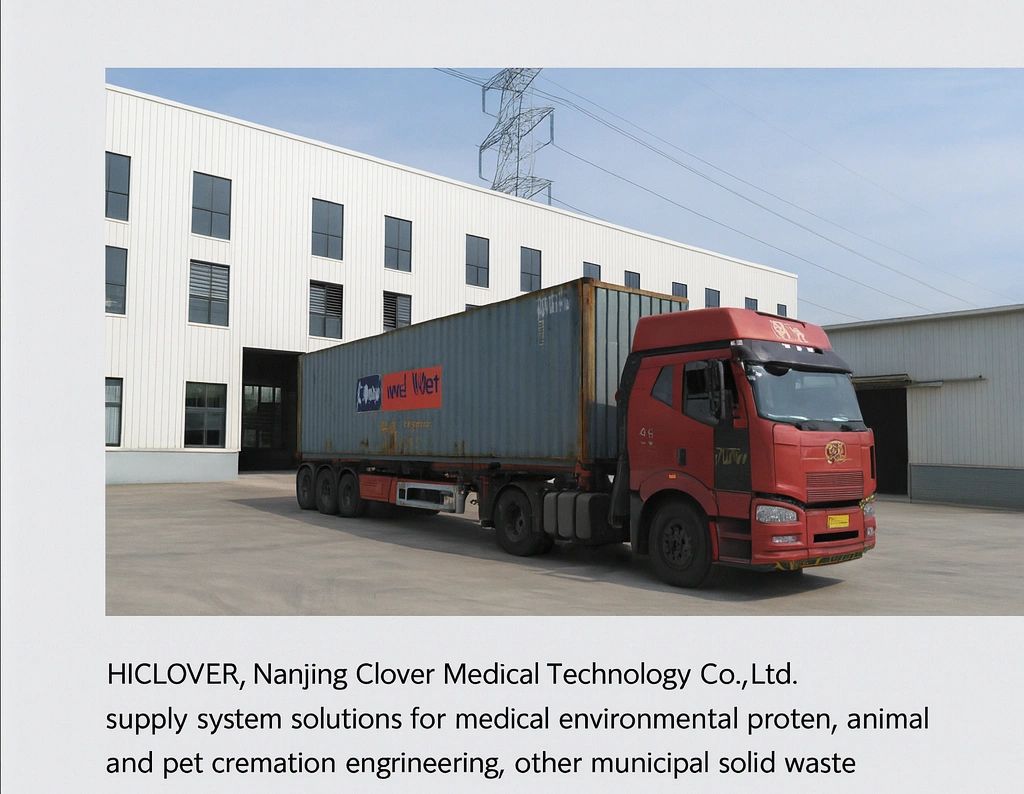
The Chinese manufacturing sector has established itself as a global leader in the production of incineration technology, largely due to its vast industrial infrastructure and competitive pricing strategies. The state-of-the-art facilities are engineered with modern robots and automation technology, yielding efficient production cycles and stringent quality control processes that meet international standards.
Supply-chain resilience is a critical consideration, particularly in the volatile landscape of global trade. Engaging with well-established Chinese manufacturers ensures that Angolan businesses gain access to reliable supply chains and timely delivery, crucial for operational continuity. Furthermore, many factories offer global shipping support, thereby simplifying the process of integrating sophisticated waste management systems into existing industrial frameworks.
The importance of maintaining a steady supply of quality industrial equipment cannot be overstated, especially as markets globalize and local industries seek to remain competitive. By sourcing Angola incinerators for sale from China, businesses not only overcome logistical barriers but also tap into advanced technologies that enhance waste management efficiency.
Future Trends in Incineration Technology
The landscape for incineration technology is evolving rapidly in response to emerging trends such as artificial intelligence-driven automation and the growing demand for decentralized waste treatment options. The integration of AI into operational protocols maximizes efficiency by streamlining processes such as automated feed management and predictive maintenance, which helps in minimizing operational interruptions.
Sustainable development goals are driving innovation in incinerator design, with an increasing emphasis on greener technologies aimed at reducing emissions and enhancing the carbon compliance profile of industrial operations. This aligns closely with the ESG initiatives being adopted by countries worldwide, prompting engineers and manufacturers to seek solutions that not only meet today’s needs but also anticipate future regulatory landscapes.
Public health infrastructure improvement is another crucial area where incineration technology plays a vital role. The ongoing need for effective waste disposal methods in healthcare settings, particularly underscored by the COVID-19 pandemic, has prompted a reevaluation of waste management strategies globally. Incinerators equipped to handle biohazardous waste with enhanced efficiency and reduced emissions are now more critical than ever.
As Angolan industries look to modernize their waste management processes, the technical integration and operational insights from Chinese manufacturers will prove instrumental in this transition. The collaboration between local stakeholders and international experts paves the way for innovative solutions tailored to meet pressing environmental challenges.
Conclusion
Engaging with Angola incinerators for sale from China offers significant advantages for industries seeking effective waste management solutions in alignment with global sustainability trends. As technological advancements reshape waste treatment methodologies, the focus remains on optimizing combustion processes and adhering to stringent regulatory standards. Understanding the technical intricacies of incineration will empower Angolan industries to address their waste challenges effectively while fulfilling their obligations in the ongoing pursuit of environmental stewardship. For more detailed assistance, industries are encouraged to explore customized options via HICLOVER’s engineering services.
Navigating the complexities of waste treatment calls for robust engineering collaboration and continuous adaptation to emerging technologies, ensuring that Angola’s waste management infrastructure becomes both resilient and efficient in the years to come.
Categories:
Tags: