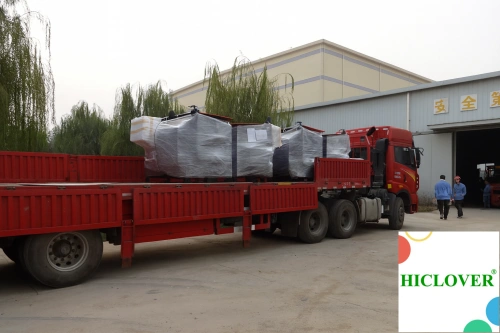
Niger Nanjing Clover Incinerator Price: A Technical Exploration
The Niger Nanjing Clover incinerator price represents a critical consideration for organizations seeking efficient waste management solutions in industrial applications. With global social and economic trends pushing towards enhanced public health infrastructure, carbon compliance, and decentralized waste treatment, the engineering relevance of these incinerators becomes increasingly apparent.
Nanjing Clover’s offerings illustrate a comprehensive understanding of the market, where supply-chain stability is essential. Their systems are designed not merely for combustion but as integrated solutions responding to regulatory demands and operational efficacy. Evaluating the price and technological capabilities of the Nanjing Clover incinerators is imperative for entities involved in industries such as healthcare, agriculture, and municipal waste management.
Understanding Incineration Technology in Industrial Applications
Incineration is a thermochemical process that significantly reduces the volume of waste, converting solid waste into ash, flue gases, and heat. The efficiency of this process can vary considerably based on several factors, from the incinerator’s design and operating conditions to the specific waste type being treated.
Nanjing Clover incinerators utilize advanced combustion technology, integrating features such as high temperature retention (HTR) mechanisms and PLC automatic controls to enhance operational reliability. The systems can manage a capacity range from 5 to 1000 kg per hour, making them suitable for various scale operations. The adoption of intelligent fuel-saving systems further emphasizes the need for sustainable solutions in today’s eco-conscious environment.
These incinerators also cater to different fuel types, including diesel, natural gas, and LPG. The choice of fuel impacts not only the operational cost but also the environmental footprint, aligning with growing demands for carbon compliance. The incorporation of smoke scrubber systems, both dry and wet, ensures these units meet stringent emission regulations, a critical requirement in many jurisdictions.
The ability to customize chamber dimensions—from 100 to 6000 liters—offers additional flexibility, enabling users to configure systems that align with specific waste profiles. Such adaptability is vital in sectors with varied waste streams, such as medical, animal, and municipal solid waste.
Pricing Structures and Commercial Considerations
Determining the Niger Nanjing Clover incinerator price involves analyzing various componentsand operational specifications. Factors influencing pricing include the choice of fuel system, waste processing capabilities, and additional features such as automatic cooling and alarm systems and continuous feed protection sensors.
When evaluating incinerator types, a comparative analysis reveals distinctions between stationary and mobile options. Mobile incinerators, such as containerized or trailer models, provide ease of deployment in remote sites, supporting industries that necessitate on-site solutions without extensive installation processes. This aspect aligns well with the trend towards decentralized waste treatment solutions, enabling better management of waste in fluctuating environments.
For businesses looking to enhance their environmental, social, and governance (ESG) impacts, selecting an incinerator capable of efficient energy recovery further substantiates a robust sustainability strategy. As companies increasingly face pressure to adhere to stricter environmental regulations, investing in advanced incineration technology becomes not just a logistical necessity but a competitive advantage.
Regulatory Framework and Compliance Measures
Understanding the regulatory landscape is imperative for optimizing waste treatment solutions. Various global regulations dictate strict criteria for emissions, waste processing technologies and waste material classifications. Compliance hinges on adopting equipment that meets these requirements within the framework of local, national, and international legislation.
The Nanjing Clover incinerator, equipped with comprehensive monitoring systems—including 1400°C corundum thermocouple monitoring—provides real-time data that aids in maintaining compliance with regulatory standards. The incorporation of features like integrated fuel tanks and LCD timing displays further contributes to efficient operability, ensuring that the incinerators can consistently meet operational benchmarks.
As public health risks continue to drive investment in waste management infrastructure, incineration units positioned for compliance are indispensable. The technological features inherent in Nanjing Clover’s offerings not only promote efficient combustion processes but also play a vital role in mitigating environmental impacts.
Engineering Customization for Diverse Needs
Nanjing Clover’s commitment to factory-direct supply enhances customization capabilities to support unique operational requirements. This approach facilitates the integration of specific engineering features tailored to the operational context of clients.
Potential buyers can explore the incorporation of features with varying gas cleaning systems, heating processes, and feed configurations. For example, businesses focusing on medical waste may require specific adaptations, such as specialized side, front, or top loading feeding doors, that enhance usability while maximizing efficiency.
Furthermore, the company’s modular design philosophy allows for scalability. Organizations can choose systems based on the projected increase in waste volume or shifts in waste type, ensuring long-term sustainability without substantial reinvestment in infrastructure. Configuration flexibility is also essential as it aligns with agile operational methodologies, allowing companies to respond in real-time to changes in waste treatment needs.
In this context, organizations can leverage direct consultations with Nanjing Clover’s engineering team to develop customized solutions that fulfill compliance mandates and operational goals. This interaction is not merely transactional; it yields valuable insights that can inform broader operational strategies around waste management.
Conclusion: Embracing the Future of Waste Management
The availability of incinerators like those from Nanjing Clover aligns with global trends emphasizing robust public health infrastructure and environmental stewardship. As industries increasingly adopt technologies that support compliance and sustainability, understanding the Niger Nanjing Clover incinerator price alongside its technical capabilities becomes crucial for effective decision-making.
Investment in such technology is not merely about addressing current waste challenges; it is about future-proofing operations against evolving regulatory landscapes. Integrating advanced incineration technology aids in building resilience within supply chains, as organizations continue to prioritize health, sustainability, and operational excellence in their strategic objectives.
For further information on customization and operational solutions, potential clients can explore HICLOVER’s diverse offerings at https://www.hiclover.com/.
For those seeking deeper insights into operational parameters and compliance requirements specific to medical waste incineration, consider reviewing additional resources at https://www.google.com/search?q=medical+waste+incinerator+temperature+requirements.
Categories:
Tags: