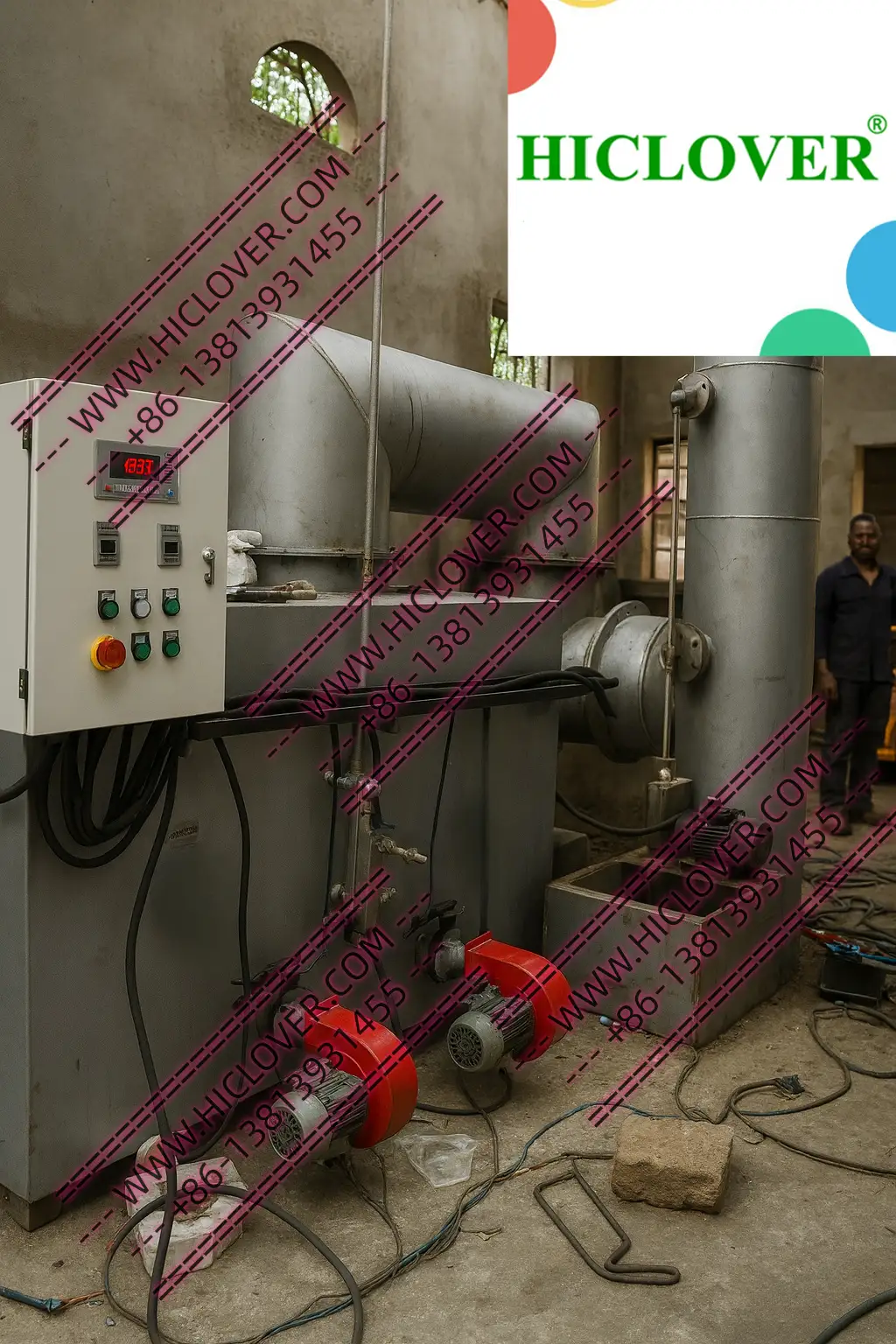
Algeria large animal incinerators represent a crucial component in the management of waste generated from veterinary services, agricultural operations, and zoo facilities. The increasing demand for efficient and environmentally compliant waste disposal systems is driven by experiences from global public health challenges, stringent regulatory requirements, and the implementation of decentralized waste treatment solutions. Emphasizing engineering credibility, these incinerators are designed not only to meet the required combustion efficiencies but also to ensure supply-chain stability in their operation across remote regions of Algeria. This industrial relevance is of paramount importance as waste disposal aligns with the broader goals of public health infrastructure and ecological sustainability.
Technical Principles of Large Animal Incineration
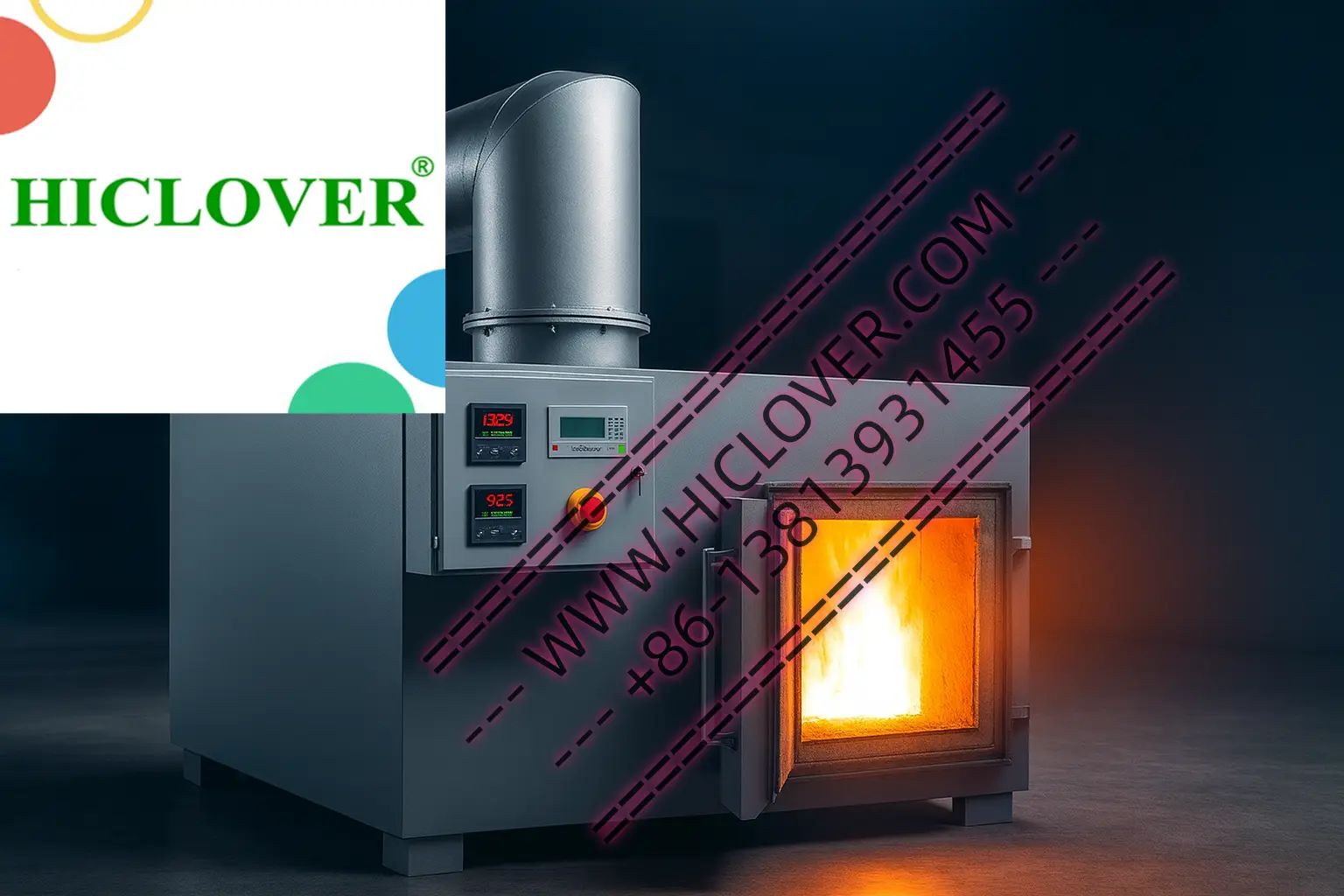
The core function of large animal incinerators is based on thermal treatment processes that facilitate the destruction of organic materials through combustion. The process typically occurs within high-temperature refractory-lined combustion chambers, where temperatures can reach 1400°C. This high-temperature retention (HTR) is crucial for completely breaking down biological tissues and hazardous pathogens.
Combustion Logic
The combustion process initiates with fuel combustion, wherein varied fuel types, including diesel, natural gas, and LPG, can be utilized. This flexibility allows operators to choose an appropriate fuel source based on availability and cost-effectiveness. Incinerators are equipped with LCD timing displays to monitor operational parameters consistently. The introduction of waste into the combustion chamber is managed through different feeding door designs, encompassing side, front, and top loading configurations.
The efficiency of the incineration process can be significantly increased through the incorporation of catalyst systems and advanced airflow management technologies. In this context, intelligent fuel-saving systems are gaining traction. These systems optimize fuel consumption by adjusting the fuel-to-air ratios throughout different operational conditions, subsequently reducing operational costs and emissions.
Regulatory Background

Compliance with local and international environmental regulations is a paramount concern when considering incineration technologies. Regulatory bodies in Algeria and abroad set stringent guidelines on emissions, requiring the integration of state-of-the-art smoke scrubber systems. Two prominent types are employed: dry scrubbers, which utilize reactive materials for pollutant adsorption, and wet scrubbers, which facilitate chemical reactions to filter out harmful substances before they are released into the atmosphere.
The need to adhere to these regulations underscores the importance of advanced monitoring capabilities in Algeria large animal incinerators. 1400°C corundum thermocouple monitoring ensures that combustion temperatures are maintained, thus facilitating the complete destruction of harmful agents, while also controlling byproducts effectively.
Industrial Applications and Comparative Analysis
In Algeria, large animal incinerators are deployed across various sectors, including veterinary clinics, research laboratories, zoos, and agricultural facilities. Different incinerator types can cater to these variances in application. For instance, capacities ranging from 5 to 1000 kg per hour are available, enabling facilities to select incinerators based on their specific waste generation rates.
Comparison of Incinerator Types
-
Fixed Incinerators: These are typically larger installations designed for high-volume waste disposal, suitable for larger facilities like veterinary hospitals or large livestock farms. They often require more comprehensive site preparation and installation logistics.
-
Mobile Incinerators: Such as containerized or trailer models, provide flexibility and ease of deployment in remote areas. This mobility allows for decentralized waste treatment, which is highly relevant in regions of Algeria where transport infrastructure may be underdeveloped.
-
High-Throughput Systems: Designed for continuous operations, these systems are favored in settings where waste generation rates are consistently high.
Evaluating the operational parameters and structural designs provides insights into selecting the appropriate system. Large animal incinerators with automatic protection operator (APO) features allow for enhanced safety and operational convenience, making them ideal in facilities with limited operational oversight.
Fuel Options and Chamber Sizes
Variability in fuel and chamber sizes further influences the selection of an incinerator. The chamber volumes can range from 100 to 6000 liters, accommodating diverse waste loads. Facilities that expect fluctuating waste volumes may benefit from larger chamber sizes to enhance operational efficiency during peak periods.
Consideration should also be given to automatic cooling & alarm systems, which enhance safety during operations by preventing overheating and providing real-time alerts for maintenance requirements.
Advanced Technologies in Incineration
Recent advancements in incineration technologies are catering to the growing emphasis on environmental sustainability and efficiency. The integration of PLC automatic controls has enabled facilities to automate the incineration process, thereby minimizing human error and ensuring continuous operation.
AI-Driven Automation and Remote Monitoring
One of the emerging trends involves the integration of AI-driven automation into operational protocols for incinerators. This technology allows for real-time data collection and analysis, which enhances decision-making regarding fuel consumption, waste loading times, and maintenance schedules. Through remote monitoring capabilities, facilities can engage with their incinerators from virtually anywhere, ensuring that they remain operational and compliant with regulations.
Emphasis on ESG Investments
The recent emphasis on Environmental, Social, and Governance (ESG) criteria has influenced investments in technologies that facilitate environmentally responsible waste disposal. When evaluating HICLOVER’s offerings, it becomes evident that factory-direct customization and reliable supply-chain solutions are critical in meeting customers’ escalating demands. HICLOVER’s extensive engineering experience cultivates a capacity for tailored solutions aimed at maximizing operational efficiency while ensuring environmental compliance.
Investing in HICLOVER incinerators, which incorporate mobile and modular designs with no installation requirements, ensures that facilities are agile in their operations. Comprehensive engineering consultations are available to help facilitate the ideal setup, even for entities situated in remote or resource-constrained environments. More information can be found on the HICLOVER website, which details their engineering capabilities.
Future Perspectives and Innovations
Looking ahead, the continued evolution of incineration technology will likely focus on developing more integrated systems that combine waste treatment with energy recovery. There is increasing interest in decentralized waste treatment, where incinerators are deployed closer to waste generation sites to minimize transport costs and environmental impacts.
Supply Chain Resilience
The impact of global supply chain disruptions, as seen during recent crises, has led industries to seek technologies that promote resilience. HICLOVER’s manufacturing background ensures robust supply-chain stability, which is paramount in securing timely installations and parts replacements. By promoting local production capabilities in Algeria, industries can enhance the supply resilience that is crucial for continuous operational capabilities.
Rethinking Waste as Resources
Educating industries about the potential for waste to be treated and converted into reusable energy sources is also gaining traction. The integration of high-temperature retention and advanced monitoring systems can assist in transforming waste treatment facilities into energy recovery plants, harnessing waste heat for other processes. This perspective encourages a circular economy, where waste management becomes part of a sustainable industrial framework.
Conclusion
In summary, Algeria large animal incinerators represent an advanced and crucial mechanism for managing biological waste. The interactions between technology, regulatory requirements, and sustainable practices demonstrate the enormity of these systems in enhancing public health through effective waste management. As industries increasingly prioritize efficiency, safety, and environmental compliance, continual innovation and adaptation in incineration technology will remain paramount to addressing both local and global challenges. Stakeholders interested in advanced incineration solutions are encouraged to explore the comprehensive offerings provided by HICLOVER for tailored applications in Algeria and beyond. For further inquiries, contact HICLOVER’s engineering team at HICLOVER Contact.
For additional information regarding the technical specifics of incinerators, a relevant search may be conducted using the phrase: https://www.google.com/search?q=large+animal+incinerators+regulatory+standards.
Categories:
Tags: