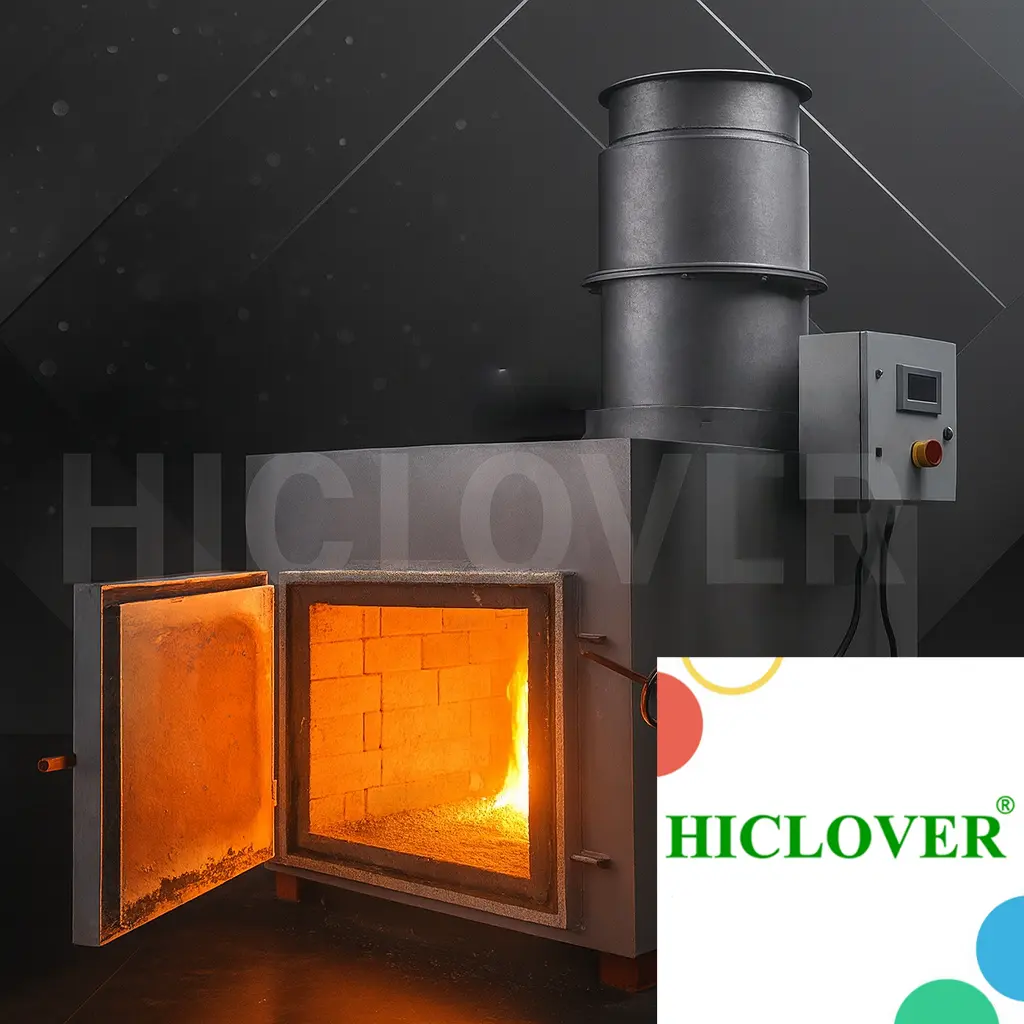
Chad Animal Incinerator Manufacturer: Engineering Solutions for Sustainable Waste Management
The demand for effective waste management solutions is increasing globally, particularly concerning animal waste. As a leading Chad animal incinerator manufacturer, HICLOVER offers robust technologies designed to address not only the disposal of animal waste but also the critical intersection of public health infrastructure and environmental compliance. With a focus on engineering credibility and supply-chain stability, HICLOVER delivers incinerators tailored to the unique needs of various industries, including healthcare, agriculture, and food processing.
Industries worldwide are increasingly recognizing the necessity of sustainable waste management systems amidst growing pressure for compliance with environmental standards. The emergence of decentralized waste treatment solutions contributes significantly to public health and safety by reducing the spread of zoonotic diseases and controlling vectors. HICLOVER integrates advanced technology in its incinerators to ensure that sanitation and ecological responsibility remain paramount in waste disposal processes.

Understanding the Technical Foundations of Animal Incineration
Combustion Principles and Efficiency
The process of incineration converts waste materials into ash, flue gas, and heat. The system relies on direct combustion, where temperatures can reach up to 1400°C, ensuring thorough destruction of organic and hazardous substances present in animal waste. High Temperature Retention (HTR) technology plays a crucial role, contributing to the complete breakdown of biological pathogens, which are often present in animal by-products. Understanding these principles is vital for designing incinerators that comply with both local and international environmental regulations.
Incinerators manufactured by HICLOVER feature a range of technological improvements to optimize combustion efficiency. The inclusion of an intelligent fuel-saving system minimizes fuel consumption while maximizing output efficiency, thus ensuring a sustainable approach to waste management. The materials used in constructing combustion chambers are designed to withstand high temperatures, with robust thermal insulation maintaining thermal efficiency and safety.
Regulatory compliance is a significant concern that incinerator manufacturers must navigate. Local environmental regulations often dictate specifics regarding emissions and operational efficiency. For those whose operations span multiple jurisdictions, understanding the compliance demands becomes complex. Advanced flame control systems and smoke scrubber technology—such as either dry or wet scrubber systems—are critical for meeting environmental standards while facilitating superior operational performance.
Types of Incinerators: Choosing the Right Model
In the realm of animal incineration, various models are commercially available, each suited for distinct operational requirements. HICLOVER provides incinerators with a range of capacities—from 5 to 1000 kg per hour—facilitating scalability that meets specific agricultural or veterinary operational needs. Systems can be characterized by their chamber volume, ranging from 100 to 6000 liters, accommodating diverse waste quantities without compromising efficiency.
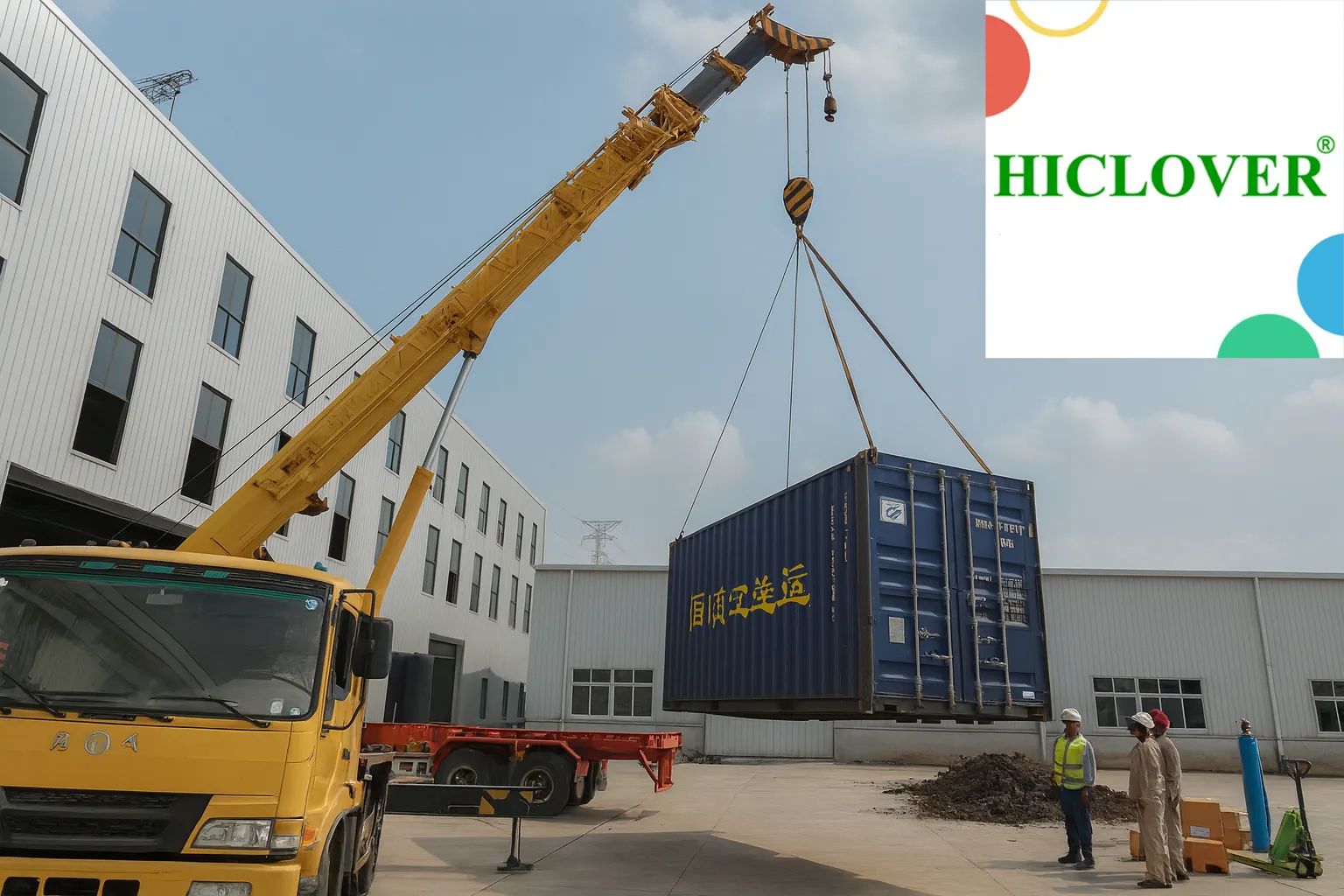
Feeding door designs, including side, front, and top-loading options, further cater to varied processes in handling waste. For facilities focusing on mobility and efficiency, containerized or trailer-mounted incinerators can be deployed rapidly without the need for complex installation processes, thus enhancing operational flexibility.
When evaluating incinerators, consideration should also be given to the types of waste treated, including medical, solid municipal, or specifically animal waste. Each type of incineration application demands specific design adaptations to factor in the materials’ unique burning characteristics and regulations governing their disposal.
Notably, HICLOVER’s manufacturing capabilities allow for customization according to client specifications. Whether accommodating project-based methods or adapting technology to fit local compliance frameworks, HICLOVER ensures that clients receive tailored incineration solutions.
Global Trends Shaping the Waste Management Landscape
Public Health Infrastructure
The intersection of waste management and public health becomes more vital as urban spaces grow denser. Efficient disposal methods must be in place to mitigate the risk of infectious diseases that can proliferate among localized animal populations. By employing advanced incineration methods, facilities can significantly diminish health risks associated with animal waste disposal.
Modern incinerators with PLC automatic controls and continuous feed protection sensors ensure operational safety and environmental compliance, thereby facilitating public health initiatives while reducing the burden on local waste management systems. The alignment of animal incineration processes with broader public health strategies exemplifies the collective responsibility of industries to uphold community health.
Carbon Compliance and ESG Investment
In recent years, the spotlight has turned toward environmental, social, and governance (ESG) factors, pushing industries to evaluate their impact on the planet. Many jurisdictions have established carbon compliance regulations that necessitate the adoption of greener technologies in all operational aspects, including waste management.
HICLOVER’s incinerators incorporate features that promote environmental stewardship, aligning operational practices with global carbon reduction goals. By employing cutting-edge technologies that optimize energy usage and reduce emissions, manufacturers can contribute to a more sustainable future. This alignment with ESG principles not only enhances corporate reputation but also attracts investors focused on sustainable innovation.
The price of non-compliance with environmental regulations has risen significantly. Facility operators who disregard proper waste management practices frequently face financial penalties and reputational damage. Thus, organizations must invest in reliable, environmentally friendly incineration systems to minimize risks associated with their waste management practices.
Remote-Site Deployment and Supply-chain Resilience
The ability to effectively manage waste in remote locations has emerged as a prominent trend in the waste management sector. Industries that operate in isolated environments—such as agriculture, mining, and research facilities—often require flexible waste management solutions that can be quickly deployed without extensive infrastructural investment.
HICLOVER addresses this by offering mobile, modular, and no-installation solutions. Such systems not only accommodate decentralized approaches to waste treatment but also bolster supply-chain resilience in an increasingly unpredictable global market. The versatility provided by mobile incineration ensures that remote operations maintain compliance and efficiency without significant delays or expenditures.
Advanced Features in HICLOVER Incinerators
Technological Integration for Operational Excellence
Incorporating technological innovations into waste management systems is essential for optimizing automation and performance. HICLOVER has embraced advanced automation technologies that streamline operations and enhance safety.
The utilization of 1400°C corundum thermocouple monitoring ensures precise temperature regulation, critical for the effective incineration of hazardous materials. Coupled with automatic cooling and alarm systems, safety is paramount, minimizing risks associated with high-temperature operations.
Notably, the LCD timing display allows for seamless monitoring of the incineration process, enabling operators to track real-time data concerning combustion performance and fuel consumption. These technological integrations are key to advancing the operational excellence of waste treatment facilities.
Customization and Engineering Support
To meet diverse client needs effectively, HICLOVER engages in comprehensive engineering consultations prior to the deployment of incineration systems. This consultative approach guarantees that the selected incinerator aligns precisely with the client’s operational framework and regulatory obligations. Furthermore, global shipping support ensures that these customized systems are accessible to clients irrespective of their geographical locations.
In summary, the role of incineration in waste management is increasingly recognized for its technical and environmental implications. Choosing the right Chad animal incinerator manufacturer with proven engineering capability is critical in addressing regulatory challenges, enhancing operational efficiency, and contributing to sustainable practices. For a deeper understanding of the comprehensive incineration solutions provided by HICLOVER, please visit HICLOVER.
For further insights on the technical aspects of waste incineration, relevant resources can be found through a targeted search on Google, focusing on specific operational queries such as https://www.google.com/search?q=animal+waste+incineration+process+requirements.
Categories:
Tags: