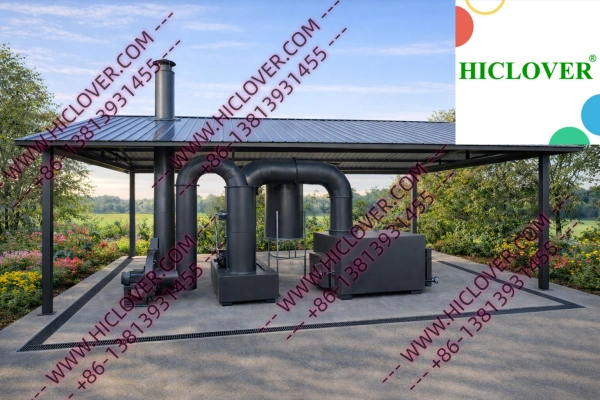
Sierra Leone Mobile Incinerator: A Solution for Waste Management Challenges
In Sierra Leone, the deployment of a mobile incinerator system presents a vital industrial solution to the pressing issue of waste management. Considerations regarding supply-chain stability, public health infrastructure, and environmental regulations predicate the functionality and adoption of this technology. A mobile incinerator serves a critical role, particularly in remote sites where traditional waste treatment infrastructure is either insufficient or non-existent. Distinctive features such as capacity ranges from 5 to 1000 kg per hour and versatile fuel options, including diesel and natural gas, make mobile incinerators exceptionally adaptable to local waste disposal needs.
Such incineration technology effectively addresses diverse waste types, including medical and solid municipal waste, aligning with current global priorities in public health and sustainability. As cities recover from the socioeconomic impacts of the pandemic and focus on strengthening public health infrastructure, the significance of waste management facilities is accentuated. Consequently, mobile incinerators emerge as indispensable assets, yielding immediate and pragmatic applications.

Technical Principles and Combustion Logic
The operational mechanics of a mobile incinerator are rooted in fundamental principles of combustion engineering. Incineration is a controlled process involving the thermal degradation of waste, wherein complex organic materials are broken down into simpler compounds. This process not only substantially reduces the volume of waste but also converts waste into energy through high-temperature combustion.
To comprehend the technical intricacies of this process, engineers reference specific parameters such as chamber volume, which can range from 100 to 6000 liters, and high-temperature retention (HTR) capabilities. High temperatures, on the order of 1400°C, are critical for efficient combustion and the minimization of dioxin and furan emissions. Furthermore, the smoke scrubber systems, which can be either dry or wet, play a pivotal role in controlling pollutants, thus ensuring compliance with environmental regulations.
Mobile incinerators often utilize PLC automatic controls, allowing for enhanced monitoring and operational precision. These systems can integrate features like continuous feed protection sensors and automatic cooling and alarm systems, which enhance safety and operational efficacy. Additionally, the advent of modern technologies, such as the intelligent fuel-saving system, represents a commitment toward achieving economic sustainability in waste treatment processes.
Incorporating such advanced technologies contributes to improved supply-chain resilience, particularly in regions like Sierra Leone where logistic hurdles and resource accessibility can impede effective waste management practices.
Comparison of Incinerator Types and Applications
The selection of a mobile incinerator is influenced by various operational needs, including waste type, capacity, and environmental considerations. A comparative analysis reveals significant differences in design and functionality between different incinerator types. For instance, containerized mobile incinerators are often favored for their ease of transport and rapid deployment capabilities. In contrast, trailer and sledge models offer versatility for specific remote-site applications requiring minimal installation.
The capacity of these incinerators can be tailored, with units capable of processing anywhere from 5 kg to 1000 kg per hour, making them suitable for a wide array of operational environments—from rural health clinics needing to manage medical waste to municipal settings requiring decentralized waste treatment solutions.
Another dimension influencing choice revolves around the fuel type. Diesel-based systems are prevalent in resource-limited settings due to their availability and ease of use. However, natural gas and LPG options exist for facilities focused on reducing carbon footprints and complying with increasingly stringent environmental regulations.
The importance of ESG investment cannot be overstated, as stakeholders in Sierra Leone work to align operations with global sustainability targets. Mobile incinerators not only assist governmental bodies in ensuring public health but also respond to environmental mandates that advocate for lower emissions and reduced landfilling practices. Additionally, the incorporation of modular and no-installation solutions allows governments to adopt these technologies without overwhelming upfront investment.
Regulatory Background and Compliance
The regulatory landscape for waste management in Sierra Leone serves as a critical framework for the implementation of mobile incinerators. Compliance with international standards is vital to ensure public health and environmental safety. Regulations specific to medical waste management necessitate rigorous treatment protocols, given the potential health risks associated with improper disposal.
Various organizations, including WHO and local ministries, endorse strict guidelines outlining permissible emissions and waste treatment methods. For instance, incinerators must meet established dioxin emission thresholds and demonstrate efficient waste destruction rates. The integration of advanced monitoring systems, including 1400°C corundum thermocouple monitoring, not only serves legal compliance but also builds trust within the community regarding environmental practices.
Furthermore, it is crucial that incineration processes align with the evolving directives on carbon compliance and emissions reduction. As Sierra Leone aims to elevate its sustainable development goals, integrating a mobile incinerator within public health initiatives exemplifies a strategic response to both domestic and international regulatory frameworks.
Engineered Solutions from HICLOVER
HICLOVER stands at the forefront of this industrial revolution, equipped with formidable engineering expertise and manufacturing acumen. The firm’s focus on customized solutions ensures that each mobile incinerator is tailored to meet specific client needs while adhering to global standards. The transactional nature of HICLOVER’s offerings provides clients not only with factory-direct supply but also with comprehensive engineering consultation and logistics support for global shipping.
The adaptability of HICLOVER’s mobile incinerators positions them as an optimal choice for various operational scenarios. With features such as side, front, or top loading feeding doors, and advanced safety functionalities like the automatic protection operator (APO), these units exemplify intelligent design. Furthermore, the incorporation of LCD timing displays aids in operational transparency, allowing operators to effectively monitor processing conditions.
For locations facing significant mobility requirements, the containerized mobile option facilitates efficient deployment without demanding extensive installation processes. The seamless integration of features enables rapid responsiveness to waste management crises, thereby enhancing local and regional supply-chain efficiencies.
For inquiries regarding customized solutions tailored to address specific waste management needs, potential clients can reach out through HICLOVER’s contact page.
Current Trends Impacting Waste Management Practices
The trajectory of global waste management practices is profoundly influenced by current trends, which amalgamate public health imperatives, technological advancements, and evolving economic landscapes. A noticeable shift towards decentralized waste treatment is evident, with more emphasis placed on localized solutions as urbanization continues to rapid progress in many developing countries, including Sierra Leone.
This decentralization is augmented by technological strides, particularly in operational efficiency and automation. The integration of artificial intelligence in waste management practices enhances predictive capabilities concerning waste generation patterns, thereby optimizing resource allocation. Moreover, the advent of smart technologies within mobile incinerators equips facilities with capabilities to not only manage waste but also track emissions in real-time, fostering proactive compliance.
This multifaceted approach toward waste management contributes to broader ESG investment criteria, as organizations recognize the increasing importance of sustainable operations in building social license to operate. As stakeholders forge partnerships to tackle environmental challenges, the mobile incinerator emerges as a critical element in a comprehensive strategy for waste management, impacting public health and ecological resilience.
Through strategic alignment with these global trends, Sierra Leone can transition into a more sustainable future, presenting a pathway to enhanced health outcomes and improved community well-being. For a deeper exploration of mobile incineration technology and its applications, one can research related topics such as emission regulations with a focused query: https://www.google.com/search?q=medical+waste+incinerator+temperature+requirements.
Application Scenarios and Future Prospects
The future prospects for mobile incinerators in Sierra Leone are promising, particularly in light of unique application scenarios. Rural health centers, agricultural sites dealing with animal waste, and urban communities facing chronic waste management issues can significantly benefit from these adaptable systems. Their deployment not only fulfills immediate waste management needs but also contributes to the establishment of sustainable practices that align with international health and environmental standards.
Furthermore, partnerships with local governments and international organizations can expedite the adoption of mobile incinerators. Collaboration will facilitate the necessary investment and infrastructure support, ensuring effective waste disposal methods are implemented across the nation. In doing so, Sierra Leone can position itself as a model for innovative waste management solutions in West Africa.
Ultimately, mobile incinerators represent a vital technology for addressing existing waste management challenges. With comprehensive features and an emphasis on engineering credibility, these systems are integral to improving public health outcomes and aligning with global sustainability frameworks. The establishment of viable waste management solutions will play a crucial role in enhancing the socio-economic stability of communities across Sierra Leone, fostering a sustainable environment for future generations.
Categories:
Tags: