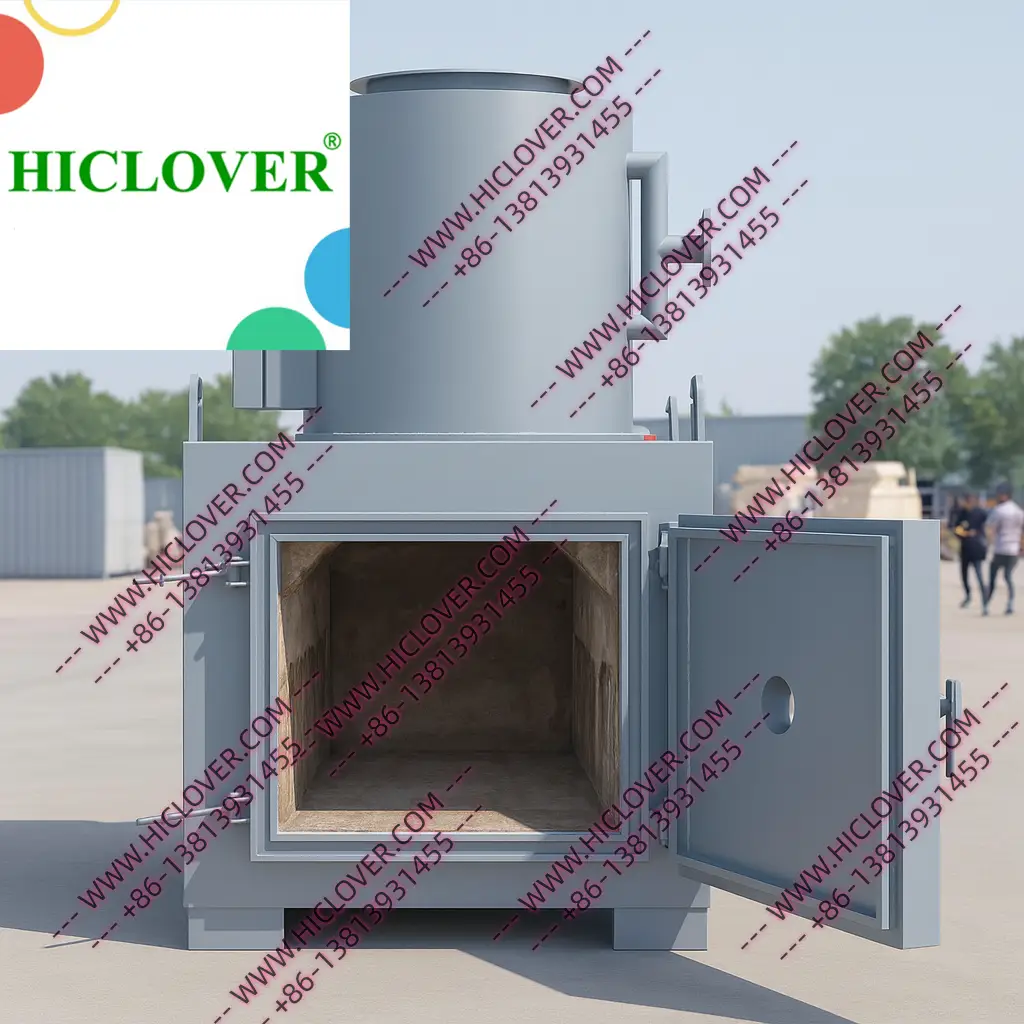
In addressing the critical issue of waste management, particularly in the healthcare sector, the Libya medical waste furnace stands out as an essential technological solution. With increasing industrial relevance in the face of public health concerns, this type of incineration unit not only aids in compliant waste disposal but also aligns with global trends of enhancing public health infrastructure and achieving environmental sustainability. The evolving landscape of waste management necessitates such innovations that adhere to regulatory standards, ensuring safety and efficacy in waste disposal while enhancing supply-chain stability across regions.
In Libya, where healthcare facilities are rapidly expanding, ensuring effective management of medical waste is imperative. Medical waste, which includes hazardous materials such as sharps and infectious residues, requires specialized incineration systems that can achieve temperatures sufficient to destroy pathogens and minimize environmental impact. The engineering behind these furnaces reflects a commitment to the highest operational standards, utilizing advanced technologies such as PLC automatic controls, intelligent fuel-saving systems, and high-temperature retention capabilities.

Technical Principles of Medical Waste Incinerators
Combustion Logic and Engineering Design
At the core of any effective medical waste incineration system is its combustion logic, which fundamentally governs operational efficiency. Medical waste furnaces typically operate at temperatures exceeding 1000°C, facilitating complete oxidation of harmful waste materials. The design incorporates multiple chambers: primary combustion and secondary combustion chambers. The primary chamber is responsible for breaking down waste materials, while the secondary chamber ensures complete combustion of gases released during the initial burn.
The incorporation of 1400°C corundum thermocouple monitoring provides precise temperature control, enhancing both the efficacy of waste destruction and compliance with environmental regulations. High-temperature conditions (HTR) are essential for minimizing the release of dioxins and furans, compounds associated with medical waste incineration, necessitating advanced scrubbing systems. The inclusion of scrubbers—either dry or wet—further supports the sustainable operation of these furnaces by treating flue gases before release, thus mitigating environmental impacts.
Additionally, smart automation features, including continuous feed protection sensors and automatic cooling & alarm systems, enhance operational consistency and safety. These features enable safe feeding of waste into the furnace, preventing overloading and ensuring that the system runs within its engineered parameters.
Regulatory Considerations in Waste Incineration
Medical waste incinerators are subject to rigorous standards and regulations that govern their design, operation, and emissions. Countries are mandated to adhere to strict guidelines laid out by organizations such as the World Health Organization (WHO) and local environmental agencies. These regulations are instrumental in establishing safe operational thresholds and ensuring public health and environmental protection.
As part of these frameworks, incineration equipment must demonstrate compliance with specified emission standards. Monitoring systems are now frequently integrated into incineration units to ensure real-time tracking of emissions, reporting parameters such as carbon dioxide and nitrogen oxides. Adhering to these compliance specifications is vital for facilities aiming to operate legally and maintain environmental integrity while managing medical waste effectively.
Comparative Analysis of Incinerator Types
Diverse Furnace Options: Medical to Animal Waste Treatment
An understanding of the various incinerator types available in the market is essential when selecting equipment tailored to specific operational needs. For example, Congo animal waste incinerator manufacturers often stress the importance of differentiating animal waste systems from medical waste units. Each type is specifically engineered to handle different waste composition and volume.
Medical waste incinerators typically operate effectively across varying capacities, ranging from 5 kg to 1000 kg per hour, tailored for large-scale hospitals or smaller clinics. The flexibility in chamber sizes, from 100 to 6000 liters, provides users with the ability to customize their equipment based on projected waste volumes and disposal frequency.
Moreover, the fuel options for these furnaces add another layer of complexity in selecting the right model. Units may utilize diesel, natural gas, or LPG, impacting operational costs and environmental footprint. Prospective users are encouraged to evaluate energy sources, factoring fuel availability and costs into their decision-making processes.
Application Scenarios and Performance Metrics
The operational context acts as a key factor influencing the choice of an incinerator system. In remote-site deployments, for instance, mobile incinerators such as containerized or trailer-mounted units offer significant advantages over fixed systems due to their portability and rapid deployment capabilities. These solutions are increasingly favored in areas within Libya where healthcare access is limited, yet the need for waste management remains critical.
Local manufacturers specializing in mobile incineration offer factory-direct customization options, ensuring that equipment can be tailored to meet specific environmental regulations and operational requirements. Details such as feeding door options—side, front, or top loading—add to the versatility of these systems, allowing for efficient waste processing in varied environments.
Supply Chain Resilience and Customization
Enhancing Global Shipping Support and Local Market Reliability
To maintain supply-chain resilience within the medical waste management sector, manufacturers must focus on global shipping support and local reliability. Companies producing Libya medical waste furnaces are increasingly refining their logistics to provide uninterrupted access to equipment and replacement parts. This is especially vital in regions experiencing infrastructural challenges or political instability.
Furthermore, manufacturers with a strong engineering background emphasize the importance of customization in their offerings. Custom-built medical waste incinerators not only meet regulatory requirements specific to Libya but also accommodate end-user preferences relating to operational characteristics. For example, features like an integrated fuel tank and advanced LCD timing displays enhance user control, facilitating straightforward operations.
HICLOVER exemplifies this approach by providing diverse incineration solutions that meet global shipping standards while offering comprehensive engineering consultations for prospective buyers. By investing in flexible and modular designs, HICLOVER guarantees that each furnace can be tailored to the unique challenges of different operational environments.
Integration of Intelligent Technologies
As industries worldwide shift towards AI-driven automation, the medical waste incineration sector is undergoing a technological transformation. Modern incinerators are increasingly equipped with intelligent systems that optimize fuel consumption, improve throughput, and enhance safety. The use of real-time data analytics allows for predictive maintenance, reducing downtime and ensuring continuous operational reliability.
As manufacturers continue to explore the integration of advanced technologies, future models of Libya medical waste furnaces are likely to incorporate features such as cloud connectivity for remote monitoring and diagnostics, further enhancing operational efficiency and reducing labor input. Such developments align with broader trends in supply-chain resilience and decentralized waste treatment solutions.
Commitment to Environmental, Social, and Governance (ESG) Standards
The growing emphasis on ESG principles in the industrial sector reinforces the necessity of responsible waste management practices. Stakeholders, including investors and regulatory bodies, are increasingly scrutinizing waste management operations for their environmental impact. Adopting efficient medical waste incineration practices not only helps reduce harmful emissions but also enhances the credibility of healthcare facilities within the community.
Manufacturers of incineration systems, such as those producing Congo animal waste incinerators, must therefore align their production processes with sustainable practices. This means not only delivering high-performance units but also ensuring that the materials used in their construction adhere to waste reduction and recycling principles.
As this focus on sustainability progresses, collaboration with stakeholders in healthcare and environmental sectors will be essential to innovate and implement new strategies for effective waste treatment.
Engineering Consultation and Factory-Direct Supply
In the complex landscape of waste management, potential users of medical waste incinerators benefit considerably from factory-direct consultations. These consultative sessions facilitate the customization of incineration systems to meet distinct operational or regulatory needs. Providers like HICLOVER offer extensive engineering support to ensure that buyers can seamlessly integrate incineration technology into their facilities.
Experts engage users in discussions covering system specifications, installation requirements, and operational training. This partnership approach resembles the current demand for comprehensive customer engagement strategies across industries that frequently differ in scale and requirements.
The direct supply capability further enhances the assurance of quality control during manufacturing, logistics, and installation phases. By leveraging local knowledge and global supply chains, manufacturers can deploy effective waste management solutions that respond to the inherent challenges in Libya’s healthcare landscape.
The relevance of Libya medical waste furnaces as a cornerstone for public health advancements is significant. By managing waste responsibly, healthcare facilities lay the groundwork for sustainable health and environmental practices in a rapidly developing region. As technological innovations continue to transform waste management operations, the industry’s evolution remains closely intertwined with broader global trends and challenges. Interested parties are encouraged to seek more information regarding the operational capabilities and opportunities for collaboration with HICLOVER through their engineering consultation page.
Ultimately, the urgent need to enhance waste management capabilities in Libya through effective incineration solutions emphasizes the importance of rigorous engineering practices, grounded regulatory compliance, and a commitment to sustainability principles. As the world progresses towards smarter, cleaner practices across all operational spectra, the role of medical waste incinerators will undoubtedly evolve to meet the challenges of tomorrow.
Categories:
Tags: