
Lesotho Medical Small Incinerator: Engineering Solutions for Waste Management
The Lesotho medical small incinerator represents a critical evolution in waste management technology, particularly in the healthcare sector. As many developing nations like Lesotho strive to enhance public health infrastructure, the integration of robust waste treatment systems has become indispensable. Medical waste, which poses significant health risks if mismanaged, necessitates a reliable disposal mechanism. The engineering credibility of incinerators, especially those from reputable manufacturers such as Chad Clover, is instrumental in ensuring safe and effective waste management. With the emphasis on supply-chain stability, these incinerators are not only vital for the healthcare industry but also play a crucial role in global sustainability efforts.
Medical incinerators are essential in ensuring that harmful waste, including sharps, biomedical materials, and hazardous substances, is disposed of in a thermally safe manner. The engineering principles behind these systems involve high-temperature combustion processes that convert waste into ash, reducing its volume by up to 90%. The carbon compliance trends and environmental regulations increasingly favor modern incineration technologies due to their ability to minimize emissions and also align with Environmental, Social, and Governance (ESG) investment principles. This creates a vital intersection where public health infrastructure improvement meets sustainability, showcasing the relevance of the Lesotho medical small incinerator.

Technological Foundations of Medical Waste Incineration
Medical incinerators operate on established combustion principles, which dictate how various waste types are handled. The core components of an incinerator include a combustor chamber, fuel selection, and emission control systems.
Combustion Logic
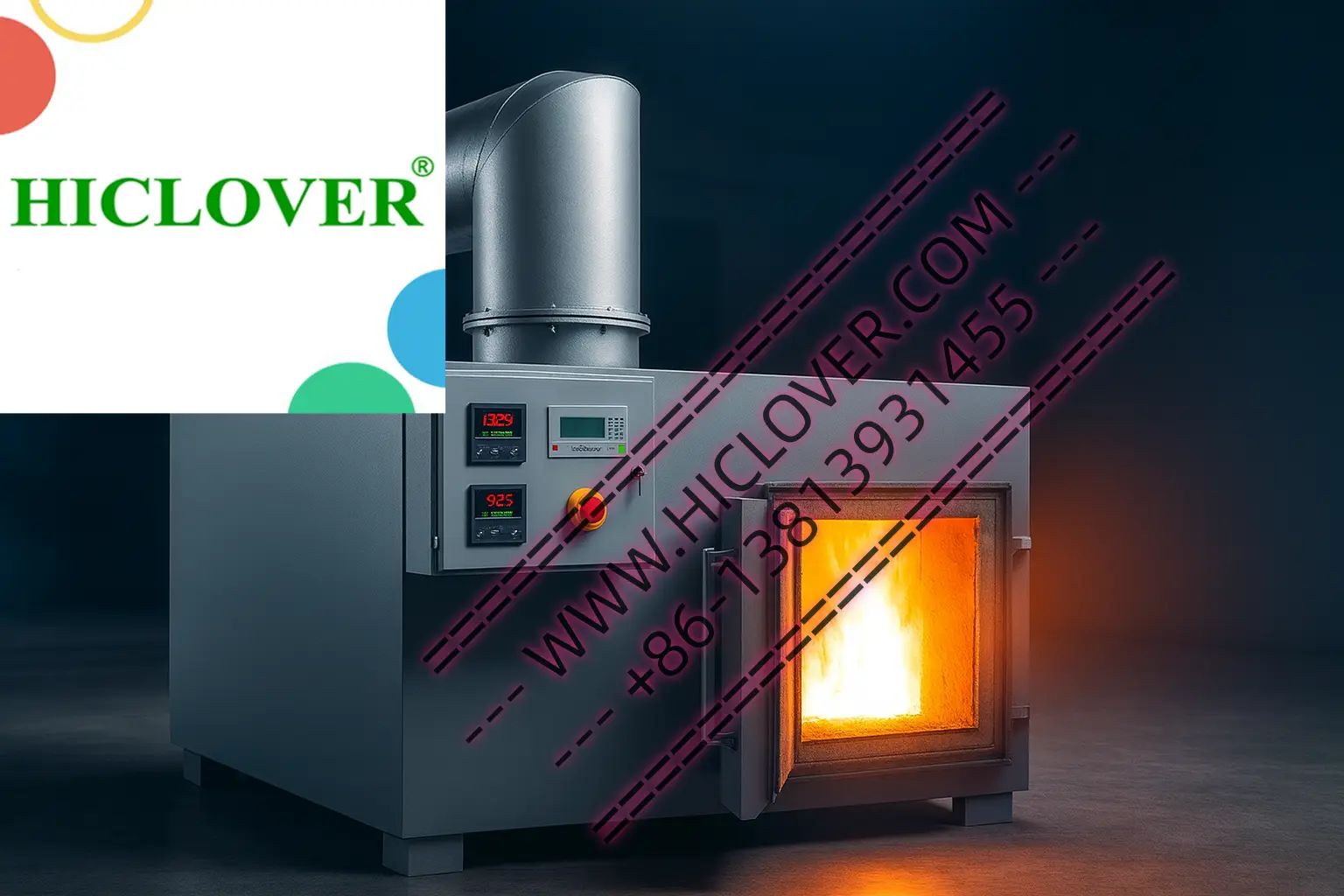
At the heart of the incineration process is the combustion logic, characterized by controlled high-temperature retention (HTR) within the chamber. Typically, medical waste incinerators must reach temperatures of 800°C to 1400°C to ensure the complete combustion and minimization of harmful organic materials. Proper burning of waste, dependent on the fuel type—be it diesel, natural gas, or LPG—plays a significant role in achieving these temperatures reliably.
In addition, the employment of advanced control systems, such as PLC automatic controls, ensures that the combustion process remains stable, thereby reducing the possibility of incomplete incineration, which could lead to the emission of dioxins and furans.
Emission Control Systems
To address environmental regulations, modern incinerators are equipped with sophisticated emission control systems, including smoke scrubbers. Wet and dry scrubber systems serve to neutralize harmful gases and particulates generated during combustion. Incorporating these features not only enhances air quality but also complies with global emission standards set forth by regulatory agencies.
For instance, the implementation of 1400°C corundum thermocouple monitoring enhances operational integrity and safety by providing real-time temperature data within the combustion chamber. The accuracy and reliability of such monitoring systems are critical for regulatory compliance and operational efficiency.
Applications and Capacity Considerations
The versatility of the Lesotho medical small incinerator allows it to cater to a range of applications, particularly in healthcare settings where the disposal of medical waste is essential. With capacity options generally spanning from 5 to 1000 kg per hour, these incineration systems can accommodate varying scales of operation.
Capacity and Chamber Volume
The choice of chamber volume, typically ranging from 100 to 6000 liters, is directly linked to the volume and type of waste generated by medical facilities. For smaller clinics or remote health units, smaller capacity models are sufficient, while larger hospitals may necessitate high-capacity units to ensure efficient waste disposal without overloading the system.
The design of mobile incinerators, such as containerized or trailer-mounted options, has also gained traction. These systems provide centralized waste disposal solutions that can be relocated as necessary, meeting the needs of temporary medical facilities, disaster response teams, or remote sites lacking comprehensive waste management infrastructure.
Decentralized Waste Treatment Solutions
As healthcare grows more decentralized, the demand for local waste management solutions increases. The Lesotho medical small incinerator serves as a prime example of this trend, offering modular and mobile options that facilitate immediate waste treatment within various healthcare settings. This decentralization is particularly beneficial in rural regions, where transporting waste to centralized disposal sites is impractical and poses health risks.
Design and Customization Capabilities
An essential aspect of selecting an incinerator is the customization available to meet specific operational requirements. Manufacturers such as HICLOVER offer comprehensive customization options, enabling clients to select features tailored to their unique waste management challenges.
Customization Features
The ability to choose from diverse features, such as feeding door configurations (side, front, top loading), ensures optimal operational efficiency based on the specific waste types being incinerated. Furthermore, the inclusion of intelligent fuel-saving systems can significantly enhance the cost-effectiveness of incineration operations. For organizations aiming to maintain a sustainable approach, the selection of a model equipped with automatic cooling and alarm systems ensures that operational risks are minimized while maintaining compliance with safety protocols.
HICLOVER’s emphasis on factory-direct supply and seamless customization contributes to supply-chain reliability, reinforcing the need for solid engineering ethics and practices within the waste management industry. The availability of consultation services further allows for bespoke solutions tailored to the operational nuances of different medical environments.
Global Market Insights and Trends
As the global healthcare landscape evolves, key trends such as supply-chain resilience and demand for sustainable practices are shaping waste management solutions in the medical sector. The increasing intricacies of logistics—exacerbated by recent global health crises—have highlighted the necessity for flexible, reliable, and local waste disposal options.
ESG Principles and Investment Stability
Investors and healthcare stakeholders are becoming increasingly attentive to vendors who understand and implement ESG principles. The integration of environmentally conscious waste management solutions, such as the Lesotho medical small incinerator, allows healthcare facilities to operate within an acceptable environmental framework while maintaining a focus on public health obligations.
Manufacturers focusing on sustainable designs explore options that allow units to efficiently manage waste without contributing to carbon footprints. Such innovations open pathways for securing funding from investors who prioritize sustainability alongside profitability.
Remote-Site Deployment Advantage
The transition towards more effective remote-site deployments has seen a surge in demand for mobile medical incinerators. With the proliferation of humanitarian efforts in regions lacking waste management capabilities, portable solutions provide immediate disposal services, minimizing health risks associated with medical waste accumulation. This advantage is critical during outbreaks or in remote health care scenarios, making the deployment of systems such as the Lesotho medical small incinerator a pivotal strategy.
Conclusion
In summary, the relevance of the Lesotho medical small incinerator cannot be understated. Its engineering principles underscore a commitment to health, sustainability, and operational efficiency. As healthcare continues to evolve and embrace intelligent waste management solutions, stakeholders must examine incineration technologies that align with current trends. For further technical insights and expert consultations regarding customized incineration solutions, HICLOVER stands ready to assist. Visit their contact page for more information. By prioritizing innovative technologies in waste management, communities are better prepared to handle the complexities of healthcare waste sustainably and efficiently. For additional insights into relevant waste management practices, consider exploring this informative search on medical incinerators.
Categories:
Tags: