
Kenya Hospital Incinerator Manufacturers: Engineering Solutions for Medical Waste Management
The landscape of medical waste management in Kenya is increasingly shaped by the expertise of local hospital incinerator manufacturers. Effective incineration is critical for the treatment of hazardous waste generated by healthcare facilities, as improper disposal can pose significant risks to public health and environmental safety. Kenya hospital incinerator manufacturers are stepping up to provide advanced, efficient mechanisms that align with global standards for waste treatment. As the demand for robust public health infrastructure rises, these manufacturers are focusing on maintaining engineering credibility and ensuring supply-chain stability to enhance operational efficiency across the healthcare ecosystem.
The medical waste generated by hospitals, clinics, and laboratories requires specialized treatment to mitigate harmful emissions and protect healthcare workers and the surrounding communities from exposure. Thus, advancements in the technology of incinerators have become not only necessary but vital. Following current trends in decentralized waste treatment and sustainability, manufacturers are adopting diverse operational strategies to ensure compliance with environmental regulations, thus catering to evolving needs in medical waste management.
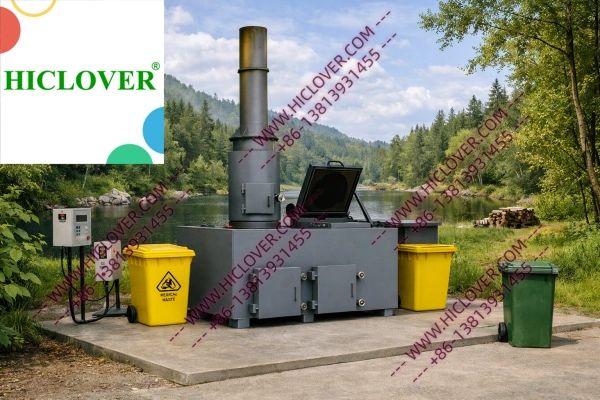
The Role of Incinerators in Public Health Infrastructure
The role of incinerators in sustaining public health infrastructure cannot be overstated. Medical waste includes various categories such as infectious, pathological, and sharps waste, necessitating distinct management approaches. The sophisticated designs of modern incinerators feature multiple capacities, ranging from 5 to 1000 kg per hour, ensuring they can cater to the varying waste loads of healthcare facilities while adhering to health codes and environmental regulations.
A core technical principle of incineration is combustion, which involves high-temperature processes that effectively destroy organic waste through thermal oxidation. This technique helps in reducing the volume of waste and minimizing toxic emissions. Modern incinerators utilize high-temperature retention (HTR) technology, allowing them to maintain optimal combustion temperatures around 1400°C. Such mechanisms are complemented with intelligent fuel-saving systems that enhance operational efficiency by optimizing fuel usage in varying load conditions.
Notably, adherence to stringent emission standards necessitates the integration of advanced smoke scrubber systems. These systems may be categorized as dry or wet scrubbers, each serving to capture particulate matter and gaseous pollutants before they are released into the atmosphere. The incinerators manufactured by leading Kenyan firms ensure compliance with both local and international environmental standards, thereby fostering a sustainable waste management framework that is essential for public health safety.

Types of Hospital Incinerators and Their Applications
Different hospital environments warrant specific types of incinerators, and the Kenyan market showcases a diverse array of incinerator types that meet varied operational needs. Major classifications include:
Mobile Incinerators
Mobile incinerators, including containerized and trailer-mounted solutions, are ideal for remote healthcare facilities or emergency response scenarios. These provide flexibility and ease of transportation, enabling efficient waste management in areas lacking permanent installations.
Stationary Incinerators
Stationary models serve medium to large hospitals, where a consistent waste stream is anticipated. Feeding doors can be customized as side, front, or top loading based on the facility’s layout and operational workflow. Larger units, with chamber volumes ranging from 100 to 6000 liters, cater to substantial waste management needs, inclusive of medical, solid municipal, and animal waste.
The versatility of incinerators extends to potential customization capabilities, allowing manufacturers, like HICLOVER, to cater to unique client specifications. This factory-direct approach facilitates effective communication during the design phase, ensuring the end product aligns with operational requirements. Notably, supply-chain reliability is integral to the manufacturing process, and companies remain committed to sourcing high-quality materials while adhering to international standards.
Regulatory Framework and Compliance
The regulatory landscape surrounding medical waste management in Kenya is intricate and governed by both local and international environmental standards. Compliance with these regulations is paramount for hospital incinerator manufacturers. Stringent emissions regulations demand the incorporation of specific technical features to ensure that toxic substances are adequately treated before being released into the environment.
This necessitates a comprehensive understanding of the national waste management policies, such as the Environmental Management and Coordination Act (EMCA), which regulates the handling and disposal of hazardous waste in Kenya. Manufacturers must also ensure conformity with the guidelines set forth by the World Health Organization (WHO) in addressing the health risks associated with medical waste.
Innovations in incinerator design are increasingly incorporating monitoring systems to aid in compliance. Many modern incinerators are equipped with PLC automatic controls, which facilitate real-time tracking of combustion efficiency and emission levels. These controls are instrumental in executing automatic cooling and alarm functions to ensure that optimal operational conditions are maintained. Furthermore, continuous feed protection sensors enhance the safety of waste disposal by preventing overload situations that could compromise operational integrity.
Industry stakeholders must remain vigilant about evolving regulations and market demands. Manufacturers that align their products with ESG investment principles are likely to attain a competitive edge and facilitate sustainable development goals within the healthcare sector.
Economic Dynamics and Supply-Chain Resilience
The economic dynamics surrounding Kenya hospital incinerator manufacturers are shaped significantly by the need for supply-chain resilience. The pandemic underscored the necessity of reliable healthcare infrastructure, illustrating vulnerabilities within traditional supply chains. In response, manufacturers in Kenya are focusing on strengthening their production capabilities while ensuring consistency in the supply of spare parts and components.
In terms of fuel options, incinerators can operate on various fuel types, including diesel, natural gas, and LPG, depending on local availability and cost considerations. Employing a diverse fuel portfolio offers hospitals the flexibility to maintain operations cost-effectively amidst fluctuating fuel prices. This adaptability enhances the resilience of the supply chain, ensuring that healthcare facilities can conduct uninterrupted waste management even under challenging circumstances.
Moreover, the advent of AI-driven automation technologies is providing manufacturers with opportunities to streamline production and enhance operational efficiency. Automation allows for improved precision in manufacturing processes and reduces human error in assembly lines, ultimately leading to faster turnaround times for deliveries and installations.
Key players in the market are increasingly prioritizing research and development initiatives aimed at integrating advanced technologies into their operations. The utilization of intelligent fuel-saving systems combined with AI monitoring features can pave the way towards more sustainable production practices, aligning with global sustainability trends.
The Future of Waste Management and Incinerator Technology
As urbanization and population growth continue to exert pressure on healthcare systems in Kenya, the future of waste management relies heavily on advanced incineration technologies. Trends in decentralized waste treatment are gaining traction, fostering local solutions that minimize transportation costs and environmental impact.
As hospital incinerator manufacturers adapt to these expectations, their designs will increasingly incorporate modular configurations. Such systems will not only provide effective waste treatment solutions but will enhance the overall operational agility of healthcare establishments. Mobile, modular units may eliminate the need for extensive installations, saving time and resources while providing the necessary flexibility to meet unexpected surges in waste generation.
Furthermore, integration with smart technologies is becoming a focal point for the next generation of incinerators. Manufacturers like HICLOVER are poised to lead in the sector by offering solutions that feature smart controls and real-time data analytics. By embracing this technological evolution, hospital incinerator manufacturers will enhance their ability to monitor performances, maximize efficiencies, and ensure regulatory compliance, ultimately transforming the landscape of medical waste management in Kenya.
Effective medical waste treatment is paramount for public health. The commitment of local Kenyan manufacturers to innovate and adapt their products to meet industry demands is crucial. The ability to provide comprehensive, tailored waste management solutions will significantly impact public health outcomes while fostering environmental stewardship and economic resilience.
For inquiries regarding custom solutions in incinerator technology, manufacturers interested in enhancing operational efficiencies may reach out to established companies like HICLOVER, who offer a wealth of experience in designing and delivering tailored incineration systems. More information is available at HICLOVER.
The medical waste incineration landscape is dynamic and nuanced; thus, understanding these multifaceted parameters is essential for stakeholders aiming to enhance waste management practices within their healthcare sectors. Current innovations drive not only operational effectiveness but also construct sustainable pathways toward public health improvement. For more detailed insights into the technical aspects of medical waste incinerators, interested parties may consider navigating this Google search for curated scholarly articles and technical documents.
Categories:
Tags: