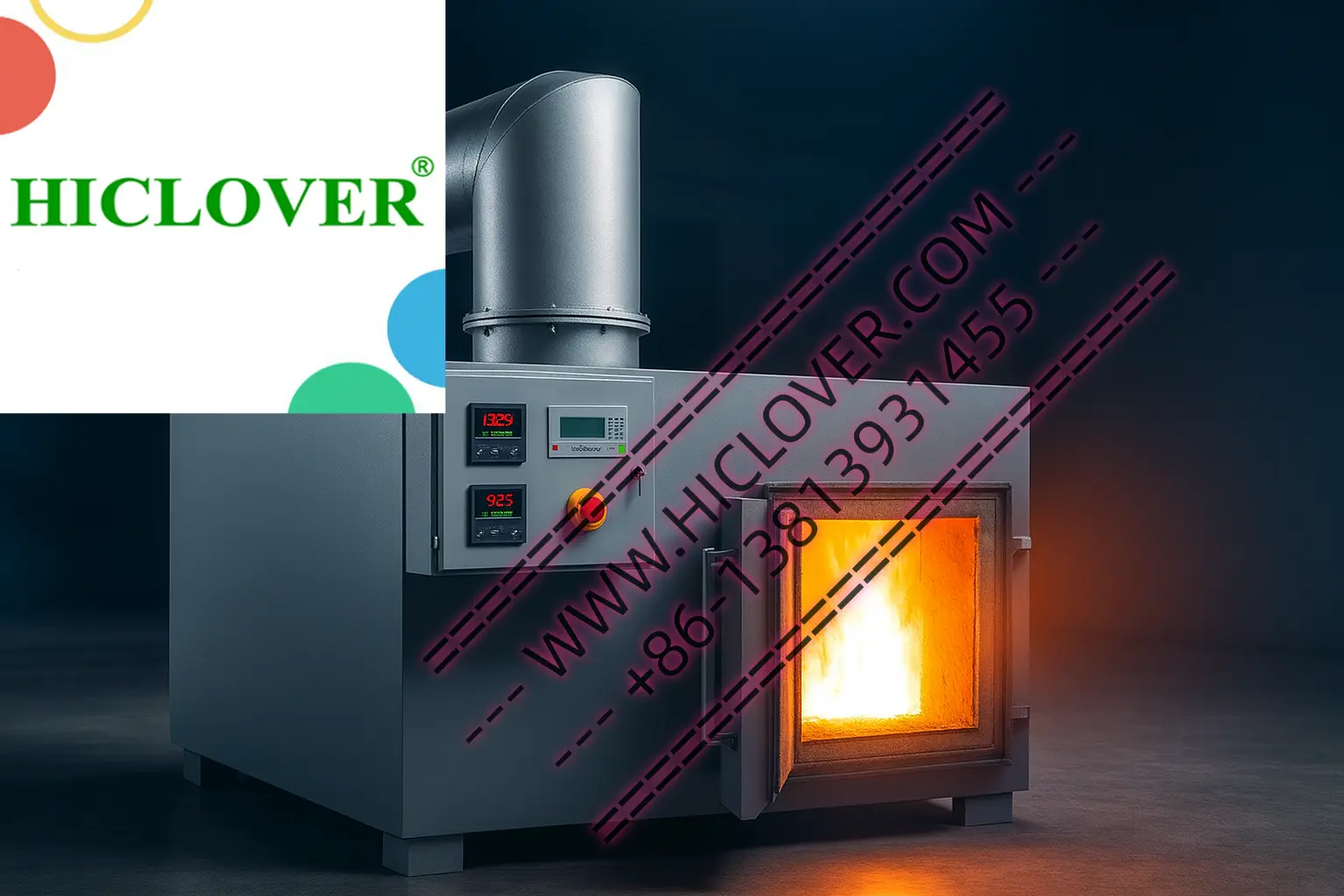
Medical waste incineration systems serve as critical components within public health infrastructure, providing a reliable method for the safe disposal of medical, infectious, and hazardous waste. These advanced systems demonstrate engineering credibility through robust design and compliance with stringent environmental regulations. In an era marked by increasing global health challenges and rising demand for efficient waste management solutions, incineration systems emerge as vital technologies. Utilizing high-performance features like high-temperature retention (HTR) and automatic protection operators (APO), these systems ensure effective waste treatment while minimizing environmental impact. The application of such systems extends across various industrial scenarios, including hospitals, laboratories, and research facilities, showcasing their relevance in an interconnected global economy.
Overview of Medical Waste Incineration Systems
Medical waste incineration systems primarily function through the combustion of waste materials at elevated temperatures, ensuring the complete destruction of harmful pathogens and reducing waste volume. This incineration process can take advantage of different fuels, including diesel, natural gas, and liquefied petroleum gas (LPG), depending on the specific application requirements and local fuel availability.
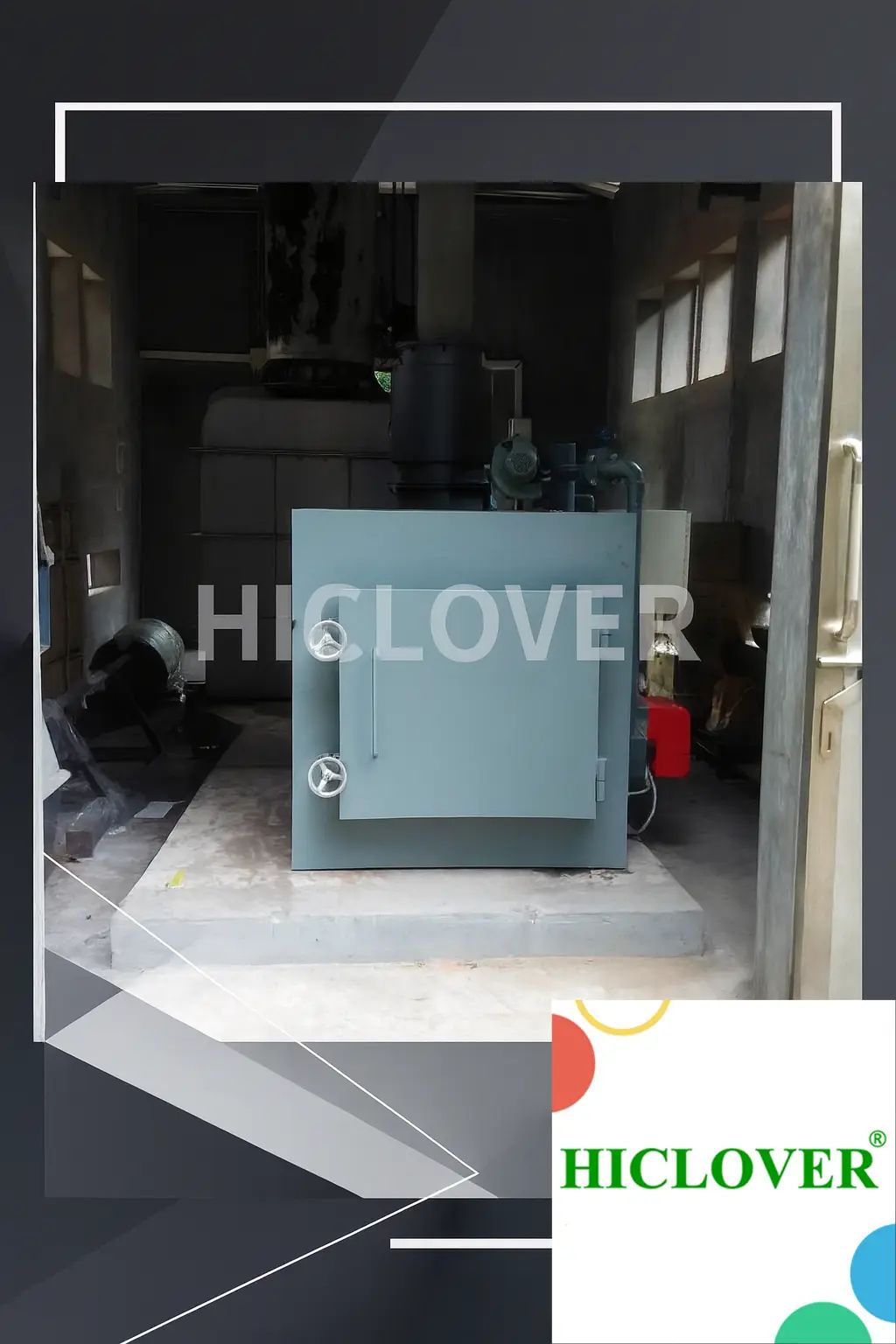
Both the design and function of these systems hinge on several technical principles. Combustion logic dictates the sequence of air and fuel interaction within a controlled environment, leading to optimized energy release. The technical design incorporates crucial components such as feeding doors, which can be top-loading, front-loading, or side-loading, facilitating different waste handling strategies suited for varying waste types, including medical, animal, and solid municipal wastes.
In terms of regulatory background, medical waste incineration systems must align with local, national, and international standards. Regulatory authorities often dictate specific emission limits, leading to the integration of smoke scrubber systems, either dry or wet, to mitigate air pollution and ensure compliance with environmental protection laws. These combined factors underscore the systems’ capability to not only support public health initiatives but also contribute to sustainability efforts by reducing landfill reliance.
Types of Incineration Systems
A comparison of the various types of medical waste incineration systems reveals diverse applications suited for different operational needs. Incinerators can vary in size and throughput capacity, typically ranging from 5 to 1000 kg per hour, with chamber volumes spanning from 100 to 6000 liters.

The options available include stationary systems designed for fixed-site installations and mobile incineration units, which are advantageous for remote-site deployments or temporary waste management needs. Mobile systems, such as containerized, trailer, or sledge types, offer flexibility, enabling rapid response to waste emergencies or mass disposal requirements without extensive infrastructure setup.
The choice of incinerator type also influences operational efficiency and effectiveness. For instance, high-temperature chamber designs aid in maximizing waste destruction, while PLC automatic controls enhance operational reliability through real-time monitoring and adjustments. Understanding the distinctions among these systems assists organizations in selecting the most appropriate technology based on their specific waste management needs and operational logistics.
Additionally, customized solutions from manufacturers, like HICLOVER, cater to unique requirements through factory-direct offerings. Their capabilities in engineering and manufacturing allow for tailored solutions that can align with specific regulatory demands and operational circumstances. For more information on HICLOVER’s solutions, the company’s website provides detailed technical insights: HICLOVER.
Economic and Environmental Considerations
As the global landscape shifts towards enhanced environmental responsibility, medical waste incineration systems are increasingly viewed through the lens of Environmental, Social, and Governance (ESG) criteria. The necessity for industries to minimize their carbon footprint elevates the role of efficient waste management systems equipped with intelligent features such as fuel-saving systems and advanced emissions control technologies.
Current socioeconomic trends emphasize sustainable waste treatment methods further influencing healthcare operational strategies. The economic implications are significant, as regulatory non-compliance risks entail hefty fines and potential shutdowns, driving investment into compliant incineration technologies. More importantly, organizations are also recognizing the long-term benefits associated with environmentally responsible waste disposal systems, which contribute to enhancing public perception and marketability.
Moreover, as various countries revise their waste management policies, the trend of decentralized waste treatment has gained momentum, leading to a preference for localized incineration solutions. This decentralization facilitates reduced transportation costs and mitigates greenhouse gas emissions associated with waste transport, assuring stakeholders of a more sustainable operation overall.
Technological Innovations in Incineration
Modern incineration systems benefit from numerous technological advancements designed to optimize performance and address increasing regulatory scrutiny. Features such as 1400°C corundum thermocouple monitoring ensure consistent and accurate temperature control within the combustion chamber, a critical aspect for effective waste treatment, particularly for infectious materials.
Automatic cooling systems enhance operational safety, while alarms and sensor systems continuously monitor the conditions to prevent any operational failures. Continuous feed protection sensors can identify blockages or malfunctions, enabling quick adjustments and ensuring a steady, uninterrupted process. Such integrations of technology not only enhance efficiency but also support workforce safety by reducing human interaction during operation phases.
In addition, intelligent automation is gradually reshaping incineration operations through the incorporation of AI-driven systems that analyze data to predict maintenance needs or optimize operational parameters. This predictive analytic capability improves supply-chain resilience, allowing for timely parts replacements or performance improvements. The amalgamation of advanced technologies positions medical waste incineration systems as modern and adaptive tools capable of meeting contemporary demands.
Customization and Global Deployment
Customization capabilities represent a critical aspect for organizations seeking medical waste incineration systems. Companies such as HICLOVER excel in design modifications, allowing clients to specify unique operational parameters or technical features that align with local regulatory requirements or specific waste types. Custom-engineered machines can address niche scenarios, enhancing efficiency while ensuring compliance.
Moreover, with the increasing need for reliable waste management solutions in remote locations, incinerators designed for mobility are becoming relevant assets. These systems can be rapidly deployed in response to urgent waste management situations, such as natural disasters or emergency healthcare needs.
Manufacturers that support global shipping and deployment facilitate the interchangeability of technologies across regions. With global supply chains increasingly facing interruptions, organizations require guarantees related to supply-chain stability. Such adaptability aligns with contemporary industrial demands where swift action and decisive waste management capabilities are imperative.
For organizations navigating the complexities of waste management in various health crises, securing reliable and innovative solutions via manufacturers equipped with engineering know-how is paramount.
Conclusion
Medical waste incineration systems are integral to contemporary public health and environmental strategies, offering effective disposal methods for hazardous materials. From understanding combustion principles to evaluating specific system types, stakeholders can make informed decisions based on their operational needs. The ongoing technological developments and diverse configurations available ensure that these systems are equipped to address not only current challenges but also adapt flexibly to future demands.
Through continuous investments in engineering precision, compliance awareness, and technological advancement, suppliers like HICLOVER play a pivotal role in shaping industry standards. The provision of factory-direct, customizable solutions further emphasizes the importance of streamlined production and logistics in today’s dynamic waste management environment. As societies worldwide evolve to face ongoing health and environmental challenges, the relevance of medical waste incineration systems as both practical disposal solutions and components of sustainable development will likely continue to grow.
For organizations interested in optimizing their waste disposal strategies, gaining insights into effective medical waste incineration practices starts with exploring advanced systems designed for safety and efficiency. Exploring further can reveal practical applications and offer pathways to enhance operational practices within the healthcare sector. For additional inquiries or consultations regarding incineration solutions, interested parties may connect through HICLOVER’s contact page.
Additionally, to gain further insights into technical specifications around medical waste treatment, various resources are available online, such as https://www.google.com/search?q=medical+waste+incinerator+temperature+requirements, allowing professionals to deepen their knowledge base and guide decision-making processes effectively.
Categories:
Tags: