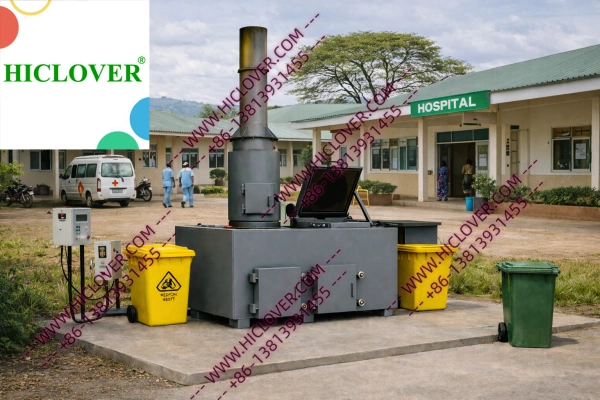
Pet cremation machines play a critical role in the increasing need for effective and humane ways to deal with the remains of beloved animals. As not only a sensitive issue for pet owners but also a significant operational concern for veterinary clinics and animal shelters, these machines offer a sustainable solution in an era marked by heightened environmental awareness and advanced technological capabilities. The integration of pet cremation machines into contemporary waste management practices underscores a shift towards responsible and efficient disposal systems, reflecting a commitment to both public health and environmental sustainability.
In today’s industrial context, the engineering behind pet cremation machines cannot be overstated. These systems are engineered to operate with high efficiency, ensuring that emissions are minimized while maintaining compliance with stringent environmental regulations. The demand for reliable supply chains guarantees that these machines are available for urgent applications in various settings such as veterinary practices. This adaptability is reflective of broader industry trends, particularly the importance of sustainable waste management and the increasing necessity of incorporating ESG (Environmental, Social, and Governance) criteria into operational frameworks.

Principles of Operation in Pet Cremation Machines
Pet cremation machines function through advanced combustion principles that convert biological material into ashes. These units employ high-temperature incineration, typically ranging between 800°C to 1400°C, effectively minimizing the volume of waste while ensuring complete combustion. The choice of fuel can greatly influence the efficiency of the cremation process. Common options include diesel, natural gas, and LPG, with each fuel type presenting distinct advantages in terms of availability, cost, and environmental impact. For instance, natural gas is often favored for its lower emissions, aligning with growing regulatory demands for carbon compliance.
Technical Specifications and Features
A typical pet cremation machine is designed with several key features that enhance its operational performance and user-friendliness. The capacity of these machines typically ranges from 5 kg to 1000 kg per hour, thereby accommodating varying scales of operations from small veterinary clinics to larger shelters or municipal veterinary services. Key components include chamber volumes from 100 to 6000 liters, tailored to the volume of waste being processed.
Additionally, many systems incorporate advanced technology such as PLC automatic controls, allowing for greater precision in temperature management and operational monitoring. High Temperature Retention (HTR) systems are crucial for maintaining the combustion environment, ensuring that pyrolysis and oxidation occur efficiently, leading to complete mineralization of the waste material.
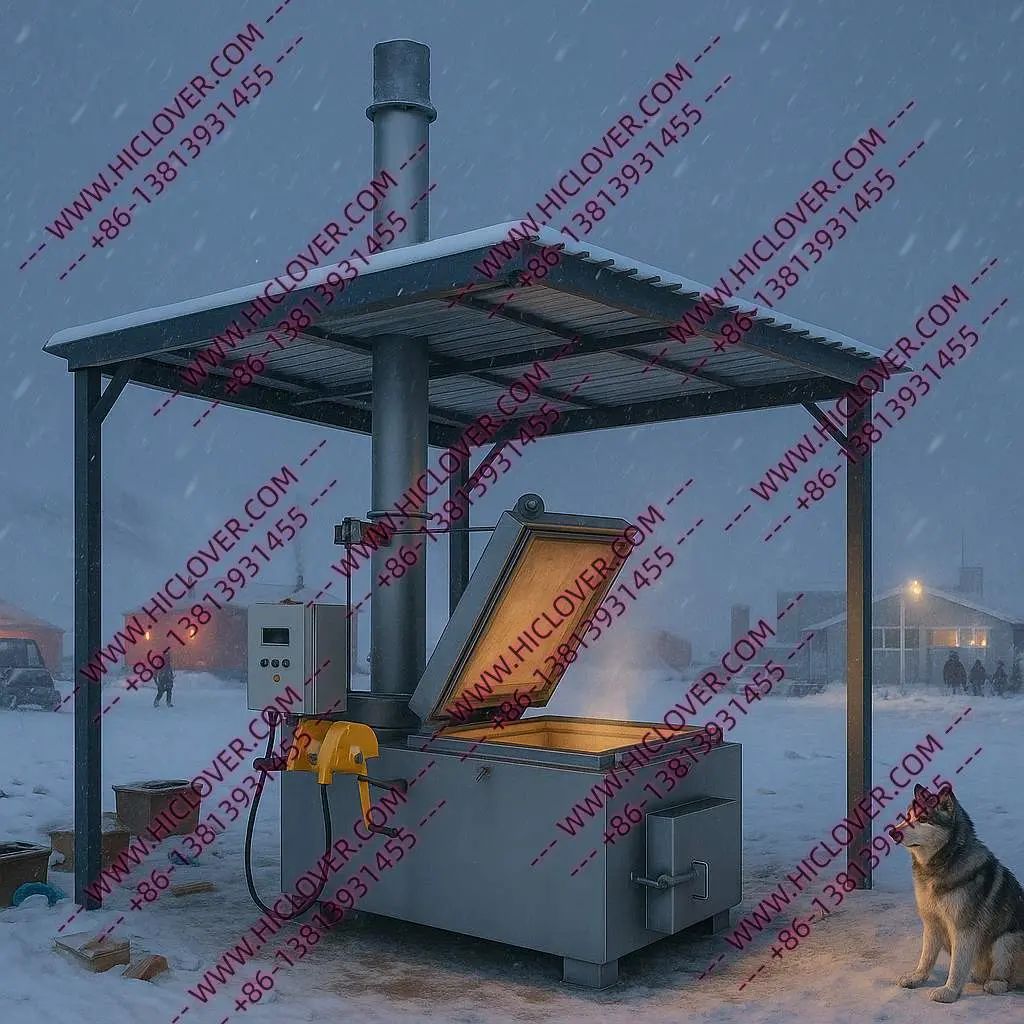
Moreover, smoke scrubber technologies—dry or wet scrubber systems—serve to purify exhaust gases before release into the atmosphere, providing not only regulatory compliance but also mitigating the overall environmental footprint. The integration of continuous feed protection sensors enhances safety and reliability, significantly reducing the risk of operational failures during high-demand scenarios.
Comparison of Pet Cremation Machines: Understanding Application Scenarios
Various types of pet cremation machines cater to specific operational needs and environments. The choice of machine often depends on factors such as location, waste type, and throughput requirements. For instance, containerized or trailer models are ideal for remote site deployments where conventional infrastructure may not be feasible. These mobile solutions offer the flexibility to manage pet cremation in circumstances that demand both reliability and ease of transport.
In contrast, fixed installations may feature more extensive capabilities, with larger chamber sizes tailored for high volume processing. These systems might be preferred in urban centers where veterinary traffic is predictably high, providing a robust means of handling waste. When choosing a machine, considerations must also be made regarding the feeding door design, with options for top, front, or side loading depending on the layout of the facility and the operational workflow.
Economic and Environmental Considerations
As sustainability becomes an increasingly critical focus in various industries, the shift towards pet cremation machines exemplifies the broader adoption of decentralized waste management solutions. The benefits of these machines extend beyond regulatory compliance; they are also recognized for their role in achieving the goals set forth by ESG investments. Vendors are encouraging adoption through flexible financing arrangements, aiming to make these environmentally responsible solutions accessible to a broader array of users.
The ongoing transition towards environmentally-friendly practices is further bolstered by advancements in intelligent fuel-saving systems incorporated into modern machines. This technology aids in optimizing fuel consumption, translating to lower operational costs and reduced emissions. Furthermore, the adoption of automatic cooling systems further enhances operational safety, ensuring that machines can effectively manage heat without risk to operators or the facility.
Engineering and Customization from HICLOVER
HICLOVER is a notable player in the manufacture and supply of pet cremation machines, bringing significant engineering expertise to the industry. Their factory-direct supply model allows for tailored solutions that meet the unique requirements of clients around the globe. Ensuring consistency in quality control across their manufacturing process demonstrates HICLOVER’s commitment to supply-chain resilience, which is crucial in an era where disruptions are frequent.
Customization options are abundant, enabling facilities to specify features such as machine capacity, fuel type, and operational controls based on their specific needs. This can involve specifics regarding chamber volume or desired performance outputs. HICLOVER supports customers by providing engineering consultations, ensuring that each client can maximize efficiency and adhere to local legislation surrounding waste management. For businesses looking for mobile solutions, their modular and no-installation systems enable effortless integration into existing workflows, making it easier than ever to adopt best practices in pet cremation.
For in-depth information on their offerings, refer to HICLOVER’s official site.
Regulatory Background and Compliance
The regulatory landscape surrounding pet cremation is multifaceted, involving local and national health and environmental guidelines. These regulations dictate numerous aspects of operation, including emissions standards, operational procedures, and waste tracking requirements. Understanding these regulations is essential for practitioners within the veterinary field and service providers to remain compliant while also providing dignified services in pet cremation.
Emissions standards require rigorous monitoring and compliance strategies, where machines equipped with LCD timing display features can provide real-time insights into ongoing operations, ensuring transparency and accountability. The installation of automatic protection operator (APO) systems plays a pivotal role in safeguarding operations against potential malfunctions, further enhancing regulatory compliance by preempting system failures that could lead to non-compliance incidents.
In terms of supply chain stability, manufacturers must ensure that spare parts and maintenance services are readily available to prevent operational delays. HICLOVER offers a robust support network, crucial for facilities needing assurance that they can operate without unexpected downtime. This response capability extends their appeal to a wide array of operators within the veterinary and waste management sectors.
The continuous evolution of infrastructure and technology surrounding waste management, particularly regarding the structures meant for pet cremation, showcases the intersection between engineering, regulatory adherence, and environmental responsibility. As a society, the increasing emphasis on public health infrastructure and sustainable practices is leading to significant changes in how communities address the sensitive topic of pet death and cremation. A comprehensive examination of all the components contributing to these systems unveils their complexity and the essential role they play in modern waste management.
The ongoing integration of new technologies and compliance regulations showcases the adaptability required within this industry, ensuring humane treatment of end-of-life decisions while maintaining environmental integrity. Industry stakeholders are encouraged to stay informed about emerging trends and technological advancements in pet cremation machines to ensure that they operate sustainably and responsibly in a rapidly evolving landscape. A thorough investigation into the intricacies of equipment selection, regulatory requirements, and operational best practices will empower veterinary and waste management professionals to navigate this critical sector effectively.
Bear in mind the importance of industry resources, such as available information regarding waste disposal methods and machinery advancements, which can be explored further at https://www.google.com/search?q=medical+waste+incinerator+temperature+requirements. Through ongoing education and adherence to best practices, stakeholders can ensure they contribute positively to the community and the environment while operating effectively and sustainably.
Categories:
Tags: