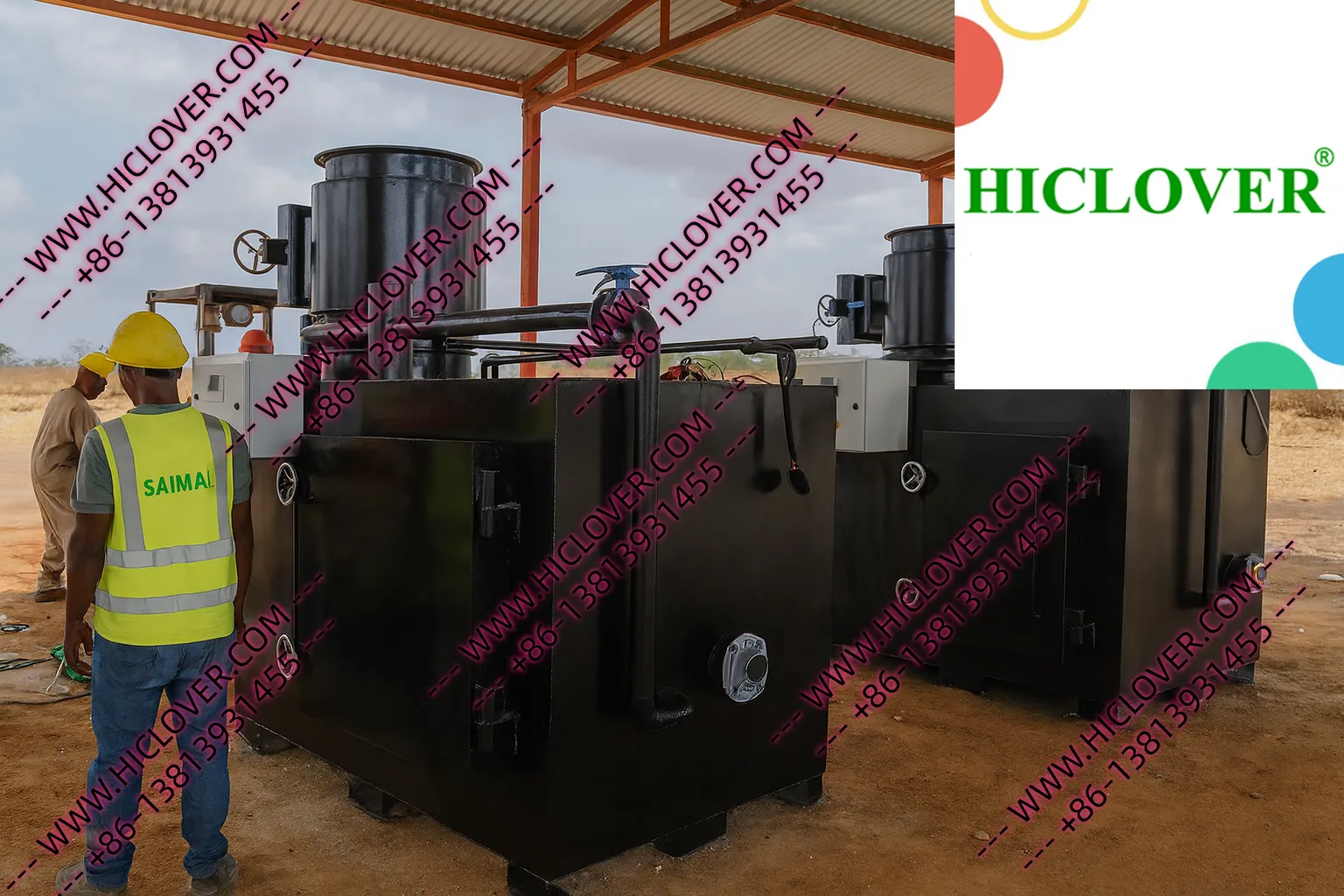
The Cote dʼIvoire incinerator house represents a critical component in modern waste management infrastructure, particularly in regions facing challenges related to public health and environmental sustainability. With the ongoing shift towards decentralized waste treatment solutions, the relevance of industrial incinerators, particularly those engineered for varying capacities and waste types, has expanded massively. This transformation is not only significant from an engineering perspective but is also vital for enhancing supply-chain stability in waste management operations. The adaptability of incinerators to different types of waste—including medical, municipal, and hazardous materials—positions them as indispensable assets in both urban and rural contexts within Cote dʾIvoire.
In this article, we delve deep into the engineering principles and industrial applications surrounding the Cote dʼIvoire incinerator house, along with a comparative look at the Tanzania clover incinerator. Our focus encompasses the technical specifications, regulatory frameworks, operational methodologies, and market dynamics that shape the deployment and functionality of these incinerators.
Understanding Incineration Technology
Combustion Principles and Efficiency
Incineration is a thermal treatment process that involves the combustion of waste materials at high temperatures, typically ranging between 800°C and 1400°C. At these temperatures, organic substances are converted to carbon dioxide and water vapor, alongside the formation of residual ash. The efficiency of the incineration process is heavily reliant on several variables, including combustion air supply, waste material composition, and incinerator design.
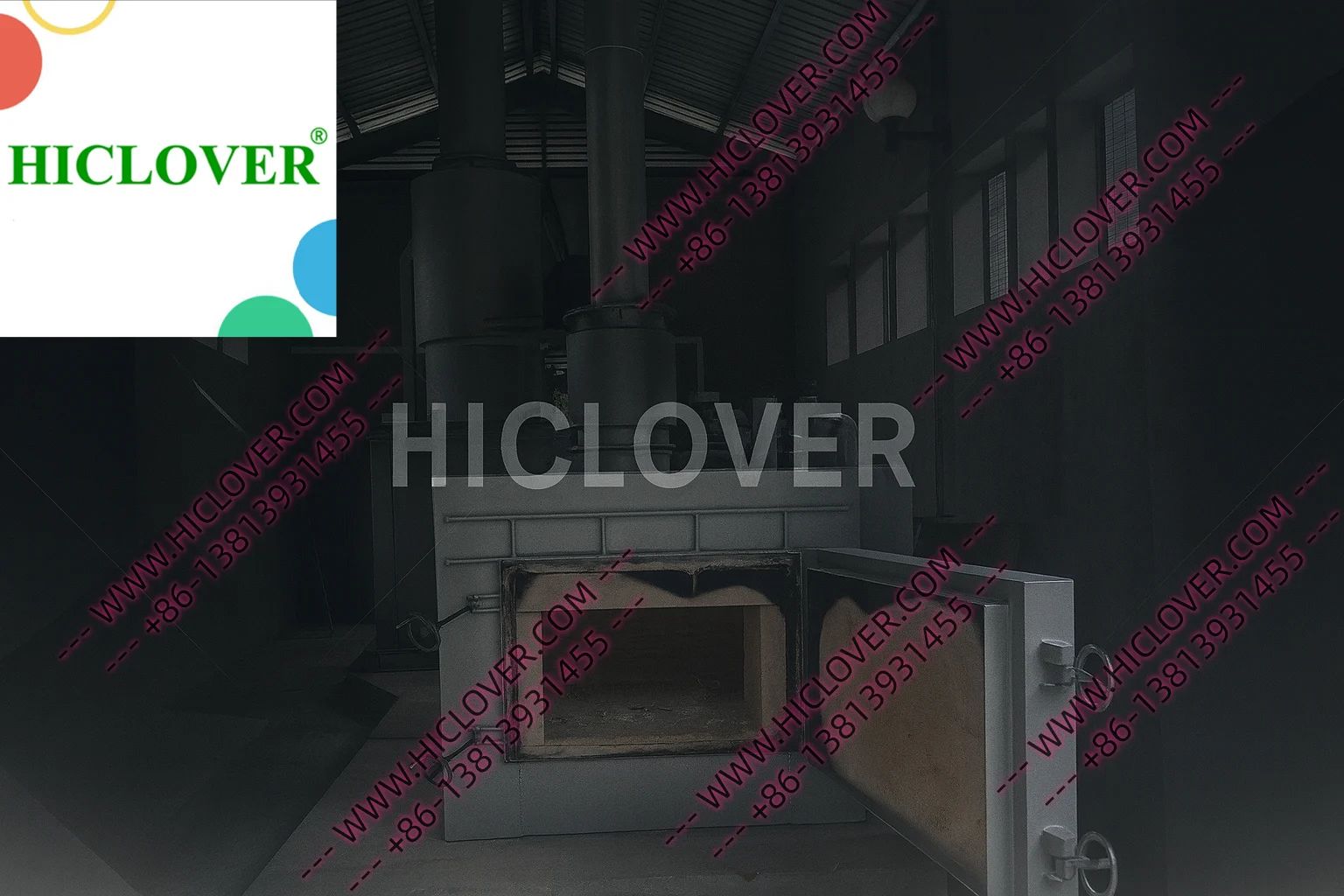
A well-structured incinerator house integrates advanced engineering solutions to ensure high combustion efficiency. For example, the Cote dʼIvoire incinerator house often features a High Temperature Retention (HTR) system, which ensures that the waste is subjected to elevated temperatures for sufficient duration, promoting complete mineralization. Additionally, Corundum Thermocouple Monitoring is employed to accurately assess internal temperatures, enabling real-time adjustments to combustion parameters to maintain optimal output. This specialized level of control is essential for achieving requisite standards for emissions and energy recovery.
Regulatory Background and Compliance
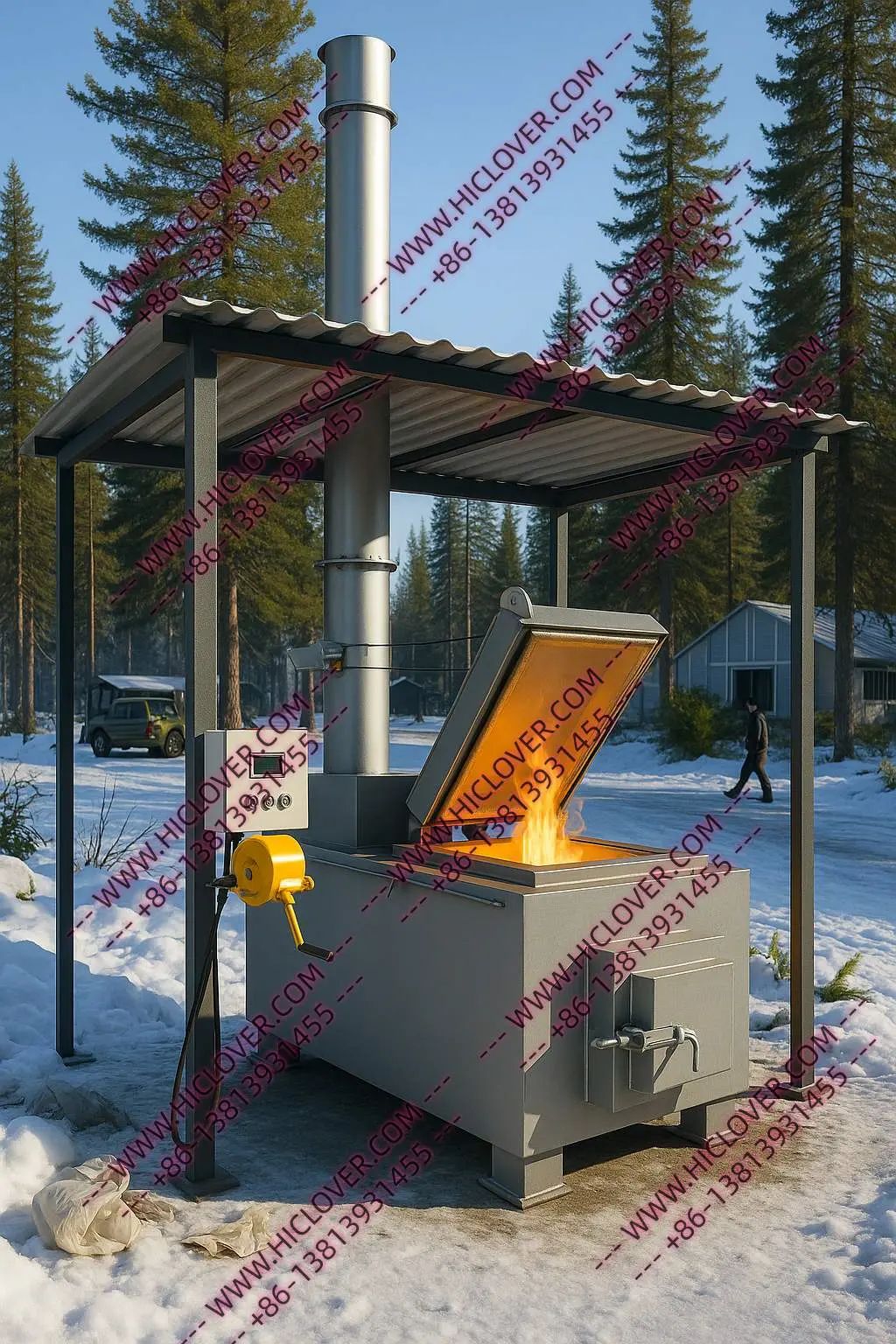
Incineration practices are governed by a complex framework of local and international regulations aimed at minimizing environmental impact. In Cote d’Italia, incinerators must comply with stringent air quality standards dictated by the World Health Organization (WHO) and regional environmental protection authorities. These regulations emphasize the necessity of advanced emission control systems, including both dry and wet smoke scrubber systems, which are designed to capture particulate matter and toxic gases before they are released into the atmosphere.
Ensuring compliance not only serves regulatory mandates but also aligns with the global push towards sustainable waste management practices. Efforts are being made to integrate these incineration systems with broader environmental, social, and governance (ESG) frameworks, thereby attracting considerable interest from investors focused on sustainable ventures.
Incinerator Types and Applications
Comparative Analysis: Cote dʼIvoire vs. Tanzania Models
The Cote dʼIvoire incinerator house design offers a wider range of applications than its counterparts, such as the Tanzania clover incinerator, owing to its modular configurations and advanced feeding mechanisms. Cote d’Ivoire facilities often employ both front-loading and side-loading feeding doors, providing flexibility in how waste is introduced into the incineration chamber. This adaptability allows for handling various waste types effectively.
In contrast, the Tanzania clover incinerator is generally characterized by a more fixed design, potentially limiting its application scope. The Cote d’Italia incinerator can achieve capacities ranging from 5 kg to up to 1000 kg per hour, allowing for scalability depending on waste volume. This scalability is critical in meeting local demands, particularly in regions experiencing rapid population growth and urbanization.
Waste Types and Treatment Modalities
The versatility of the Cote dʼIvoire incinerator house in accommodating diverse waste types cannot be overstated. It is engineered to handle several categories of waste, including medical, animal, and solid municipal refuse. Medical waste incineration presents unique challenges given the need for adherence to rigorous sterilization protocols. Consequently, advanced features such as automatic cooling and alarm systems and continuous feed protection sensors are integrated into the design to minimize risks associated with the incineration of biologically hazardous materials.
In contrast, more simplified incinerator models, such as the Tanzania clover, may lack the sophistication needed for compliance with stringent health guidelines. A thorough examination of the technical capabilities—specifically fuel type options, such as natural gas, diesel, or LPG—allows waste management facilities to tailor solutions to their unique operational environments and sustainability goals.
Economic and Social Imperatives
Public Health Infrastructure and Waste Management
As urban centers expand, governments worldwide face increasing pressure to establish robust waste management frameworks. The Cote dʼIvoire incinerator house plays a pivotal role in this scenario, significantly contributing to public health infrastructure by ensuring that waste is disposed of in a manner that prevents environmental contamination and the proliferation of disease vectors.
The decentralized approach to waste treatment exemplified by Cote dʼIvoire’s incineration systems is crucial for regions where centralized waste management is logistically and economically challenging. Mobile and modular incinerators can be deployed quickly to remote sites, thereby enhancing supply-chain resilience in responding to waste emergencies. Such configurations can seamlessly integrate with local infrastructures, ensuring immediate and effective waste disposal solutions.
ESG Investment and Green Technologies
The incinerator sector is witnessing a notable shift towards sustainable engagement, with numerous investment avenues emerging for stakeholders focused on ESG objectives. The growing emphasis on green technologies has led to increased demand for cleaner incineration practices that prioritize resource recovery and pollution mitigation. The design features of the Cote dʼIvoire incinerator house, such as the intelligent fuel-saving system and integrated fuel tanks, facilitate efficient use of resources while allowing facilities to operate within established carbon compliance frameworks.
Investors are increasingly seeking innovations that align with global sustainability trends. The engineering capabilities of companies like HICLOVER, with their factory-direct customization and dependable export stability, have made them ideal partners in achieving these sustainability objectives. This positioning speaks to a broader narrative in which waste management is recognized not merely as a municipal responsibility but as a strategic component of economic development.
Technical Features and Future Directions
Innovative Automation and Control Systems
Automation stands at the forefront of modern incineration technology, with leading facilities incorporating PLC automatic controls to streamline operations. These systems enable precise monitoring and adjustment of combustion parameters, ensuring optimal efficiency and compliance with environmental standards. For instance, real-time data feeds derived from integrated systems facilitate informed decision-making, enabling facility managers to proactively address operational discrepancies.
Emerging technologies, such as artificial intelligence (AI), are set to redefine operational protocols in waste management, leading to more adaptive and responsive systems. By harnessing machine learning and predictive analytics, incineration facilities can optimize resource utilization and improve the effectiveness of emissions management systems.
Moving Towards a Circular Economy
The circular economy paradigm has gained traction across various industries, urging a shift towards waste minimization, resource recovery, and sustainable consumption. Incineration technology is increasingly positioned not only as a disposal method but also as a catalyst for material recovery. By harnessing energy from waste, incineration systems contribute to the generation of renewable energy, which aligns perfectly with global efforts to transition to sustainable energy solutions.
The future landscape of the incineration sector will likely reflect a blend of technological innovation and regulatory evolution, emphasizing increased recovery rates and reduced environmental footprints. The commitment of entities like HICLOVER to developing adaptable products, such as containerized mobile incinerators, makes them valuable players in paving the way towards this innovative direction.
For further technical inquiries or to explore potential collaborations, firms can reach out to HICLOVER for direct engineering consultations HICLOVER Contact.
Conclusion
In summary, the Cote dʼIvoire incinerator house stands at the intersection of engineering excellence, environmental sustainability, and economic viability. Its application across diverse waste streams not only addresses pressing public health challenges but also aligns with global trends in decentralized waste treatment, ESG investments, and technological advancements in waste management. As the industry moves forward, continued investment in sophisticated incineration solutions will be critical for fostering sustainable urban development and enhancing the resilience of waste management systems worldwide. For those seeking more information regarding technological specifications and operational models, a comprehensive understanding can be gained through targeted online research search link.
Categories:
Tags: