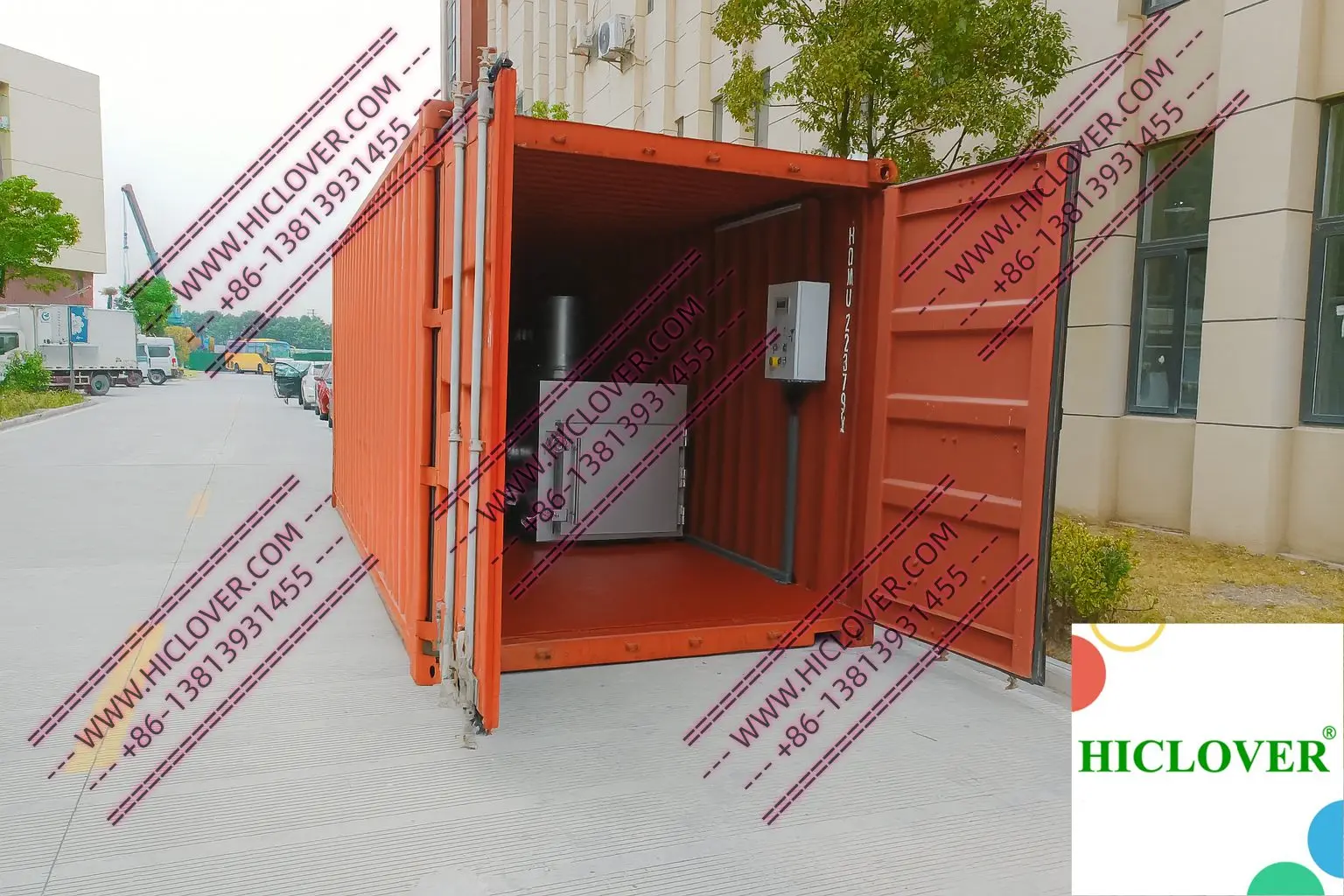
Cameroon China medical incinerators represent a critical component of the healthcare waste management system, specifically engineered to treat hazardous materials generated in medical facilities. These specialized incinerators facilitate the efficient disposal of medical waste, addressing public health concerns while aligning with environmental standards. The melding of advanced incineration technology with stringent regulatory requirements ensures that these systems not only meet current operational demands but also enhance the stability of supply chains. In a global environment marked by increasing attention to healthcare infrastructure, carbon compliance, and decentralized waste treatment solutions, the role of such incinerators cannot be overstated.
Understanding Medical Waste Incineration
Technical Principles of Incineration

Medical waste incineration is a complex process involving multiple phases: drying, pyrolysis, combustion, and post-combustion. Efficient incinerators must maintain high-temperature retention to ensure complete combustion of waste materials. Advanced systems, such as those offered by HICLOVER, utilize high temperature retention (HTR) technologies, maintaining temperatures often exceeding 1400°C to achieve thorough destruction of harmful pathogens and organic materials. The combustion chamber design is pivotal; these chambers commonly range from 100 to 6000 liters in volume, enabling variable operational capacities from 5 to 1000 kg of waste per hour depending on the specific needs of medical facilities.
Regulatory Background and Compliance
Incineration of medical waste is subject to regulatory frameworks that vary by region. In Cameroon, local regulations stipulate stringent emission standards to control pollutants. This necessitates the incorporation of advanced emission control technologies, including both wet and dry scrubber systems, which mitigate harmful effluents released during the incineration process. Furthermore, incinerators must comply with international guidelines set by the World Health Organization and local public health organizations, reinforcing the need for technical innovation and operational excellence.
Structural Considerations
The structural integrity of medical incinerators is essential. These installations are engineered to withstand extreme temperatures and corrosive environments. Key components such as PLC automatic controls and continuous feed protection sensors help ensure operational safety and efficiency. Additionally, intelligent fuel-saving systems enhance operational economics by reducing fuel requirements during incineration processes. Mobile and containerized options also allow for decentralized waste treatment, thus addressing logistical challenges faced in remote regions.

Commercial Investigation: Types and Capacities
Comparing Incinerator Types
Various types of medical incinerators are available, ranging from static to mobile systems. Static incinerators are commonly fixed installations suited for ongoing high-volume operations, while mobile systems, such as those offered by HICLOVER, can be deployed quickly, providing flexibility for facilities that might experience fluctuating waste volumes. Containerized solutions allow for rapid deployment without requiring extensive on-site assembly, promoting efficiency in waste management operations.
Fuel Options and Their Implications
The choice of fuel type significantly affects incinerator efficiency and emissions. While diesel remains a common fuel option due to its availability, natural gas and LPG are gaining traction due to their cleaner combustion profiles. Selecting the appropriate fuel is, therefore, essential for achieving both economic and environmental goals.
Application Scenarios
The application of Cameroon China medical incinerators extends to diverse healthcare environments, such as hospitals, clinics, and laboratories. Each facility type presents its unique waste disposal challenges, necessitating tailored incineration solutions. For instance, hospitals typically generate larger volumes of hazardous waste, demanding high-capacity systems capable of continuous operation. Conversely, smaller clinics may prefer mobile or modular units providing sufficient capacity while ensuring compliance with regulatory standards.
Engineering Expertise and Supply Chain Stability
HICLOVER’s Engineering and Manufacturing Background
HICLOVER’s extensive engineering experience positions the company as a leader in the design and manufacturing of medical incinerators. Their factories are equipped with cutting-edge technology, enabling high-quality production and precision engineering. HICLOVER’s commitment to customization allows facilities to adapt incinerator specifications to meet specific operational needs, enhancing overall waste management efficiency.
Factory-Direct Supply and Customization Capabilities
Optimizing supply chain resilience is critical in the current global landscape characterized by supply disruptions. HICLOVER’s factory-direct supply model ensures quick turnaround times and reliable delivery schedules, preventing operational delays. The customization capabilities mean that clients can specify dimensions, fuel types, and operational features to align with their unique waste management goals.
Mobile and Modular Solutions
Increasingly, the demand for mobile incineration solutions marks a trend towards flexible waste management systems. HICLOVER’s containerized setups enable rapid deployment and relocation, meeting the evolving needs of healthcare providers in urban and rural settings alike. These systems are designed for ease of use, requiring no extensive installation while supporting high-temperature operations crucial for effective waste destruction.
Trends Transforming Medical Waste Management
Public Health Infrastructure and Decentralized Waste Treatment
The strengthening of public health infrastructure globally necessitates innovative waste management systems that are both efficient and environmentally responsible. Decentralized waste treatment through mobile incineration methods provides a solution to areas with limited access to centralized disposal facilities. Countries like Cameroon benefit from adopting such technologies to enhance public health measures and control disease transmission through proper waste disposal.
ESG Investment and Carbon Compliance
The convergence of Environmental, Social, and Governance (ESG) criteria within investment decisions highlights the increasing importance of sustainable practices in industrial operations. Medical waste incinerators that meet stringent carbon compliance standards present a dual advantage—enhancing corporate responsibility while reducing operational costs associated with non-compliance. Investing in high-tech incineration technologies aligns companies with global sustainability goals and enhances their market competitiveness.
AI-Driven Automation and Remote Monitoring
As healthcare facilities evolve toward greater technological integration, AI-driven automation in medical incinerators presents future opportunities. Automation capabilities, including remote monitoring systems and data analytics, enable operators to optimize operational efficiency and minimize human intervention. This technological shift contributes to better maintenance practices, ensuring compliance and minimizing operational risks.
Conclusion
The role of Cameroon China medical incinerators is vital in shaping effective, compliant healthcare waste management systems. By embracing advanced incineration technology, organizations not only enhance operational reliability but also contribute significantly to public health outcomes and environmental sustainability. The future of medical waste disposal lies in scalable, efficient solutions that integrate technical excellence with rigorous regulatory adherence. Organizations interested in optimizing their waste treatment processes should seek professional guidance; for inquiries regarding engineering consultation and customized solutions, visit HICLOVER’s contact page. Facilities investing in these systems will position themselves as leaders in responsible waste management, strengthening operational resilience and alignment with emerging global trends.
Categories:
Tags: