
Medical Waste Incineration Systems: Technical Insights and Industrial Applications
Medical Waste Incineration Systems are critical components in the waste management infrastructure, specially engineered to address the complex disposal needs of medical and hazardous waste. These systems design and support the sustainability of public health initiatives as global emphasis shifts towards robust health infrastructure and compliance with stringent environmental standards. The importance of efficient medical waste treatment is underscored in an era where supply-chain stability and environmental, social, and governance (ESG) factors are increasingly emphasized by stakeholders in public health and waste management sectors.
Characterized by a range of operational capabilities, these systems have been employed globally to manage various waste types, including medical, animal, and solid municipal waste. The design elements of incinerators, such as chamber volume, fuel types, and automation features, contribute significantly to their efficiency and usability in different industrial contexts. Furthermore, supply-chain resilience is fundamentally linked to the reliable sourcing and integration of critical components within these systems, ensuring seamless operations even in remote-site deployments.
Incineration Technology: Principles and Mechanisms
The medical waste incineration process revolves around thermal decomposition, where waste materials are subjected to high temperatures, typically above 800°C and optimally around 1400°C, to ensure complete combustion. The reactor design often includes a primary combustion chamber, equipped with high-temperature retention mechanisms that allow for adequate time to incinerate waste thoroughly, minimizing the production of toxic by-products. The proper functioning of these systems is further enhanced by advanced monitoring tools, such as 1400°C Corundum Thermocouple Monitoring, which ensure that steady conditions are maintained.
Comprising various configurations, medical waste incinerators can be strategically designed to optimize fuel efficiency and emission control. Types of fuel, including diesel, natural gas, and LPG, offer flexibility in operational setup and can be tailored to the waste management context: whether stationary or mobile. Systems may feature automatic cooling and alarm functions, which contribute to both the operational longevity of the equipment and the safety lifecycle of the incineration process.
Additionally, building regulatory compliance into the incineration systems is essential. Standards such as the U.S. Environmental Protection Agency (EPA) guidelines dictate criteria for emission levels, requiring the incorporation of advanced smoke scrubber systems, both dry and wet, to treat exhaust gases effectively. Such thorough treatments ensure that the released emissions meet predefined health and environmental thresholds.

Comparative Analysis of Incinerator Types
When evaluating medical waste incineration systems, a comparative analysis of system types provides clarity on their operational characteristics and suitability for various scenarios. There are essentially three primary configurations:
-
Batch Incinerators: Best suited for environments with fluctuating waste loads, these units operate by introducing waste in batches. This configuration is ideal for small medical facilities or remote clinics where waste generation varies over time.
-
Continuous Feed Incinerators: These systems are designed for facilities with a steady waste inflow, optimizing the waste-to-energy conversion process. Capacities can range from 5 kg to 1000 kg per hour, offering significant scalability for hospitals and large healthcare institutions.
-
Mobile and Modular Units: As industries increasingly seek decentralized waste treatment solutions, mobile incineration systems have gained traction. Containerized designs facilitate easy deployment without requiring extensive infrastructural investments. This flexibility aligns with ongoing trends in global ESG investment strategies, where sustainable solutions must be versatile and quickly accessible.
Technological advancements have also led to the development of PLC automatic controls, which integrate sophisticated algorithms for system management. These controls monitor operational parameters, ensuring optimal efficiency and safety throughout the incineration cycle.
Economic Considerations and Customization Possibilities
The assessment of medical waste incineration systems extends beyond performance metrics; economic factors play a crucial role in decision-making processes. The initial capital investment and ongoing operational costs, including fuel usage and maintenance, should be weighed against potential regulatory fines for non-compliance and the environmental impact of alternative waste disposal methods.
The ability for factory-direct customization in design allows institutions to align incinerator features with their specific waste characteristics. For example, integrating features such as automatic protection operator (APO) and continuous feed protection sensors enhances safety measures, while intelligent fuel-saving systems help manage operational costs.
Customization options also permit modifications to chamber size, which can range from 100 to 6000 liters, tailored for the types and volumes of waste being treated. Additionally, integrated fuel tanks can streamline fuel management processes, further adding to the cost-effectiveness of the solutions provided.
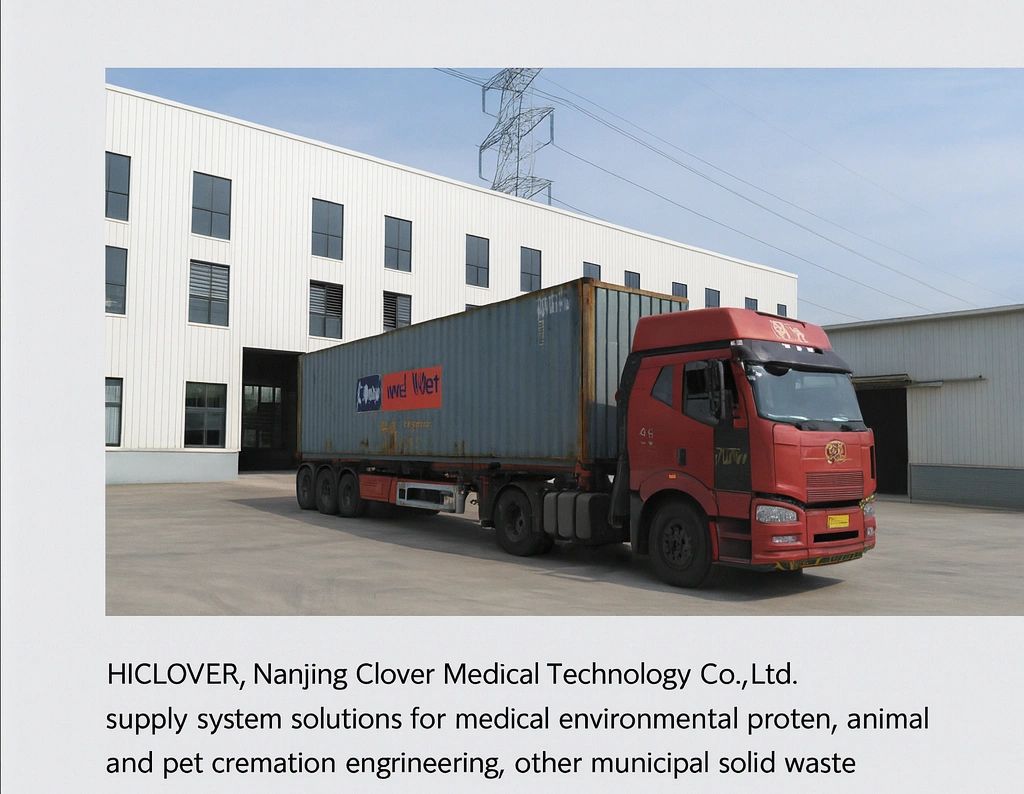
Organizations like HICLOVER leverage their extensive engineering experience and manufacturing capabilities to ensure that clients receive high-quality, tailored solutions. Their commitment to reliability in global shipping support helps address supply-chain challenges effectively, ensuring that operational downtimes are minimized, even in remote locations where medical waste incineration systems are indispensable.
Future Trends: The Integration of AI and Advanced Technologies
As technological innovation accelerates, the future landscape of medical waste incineration systems will likely be shaped by the integration of more sophisticated automation technologies. The advent of AI-driven systems could facilitate enhanced predictive maintenance, where machine learning algorithms analyze operational data to forecast equipment failures before they occur, minimizing downtime and repair costs.
Moreover, the growing emphasis on supply-chain resilience demands more robust waste management solutions that can adapt to shifting economic conditions and operational demands. Decentralized waste treatment solutions not only reduce the logistical complexities associated with transporting waste but also mitigate risks associated with centralized facilities.
Public health infrastructure continues to evolve worldwide, especially in response to pandemics and health emergencies that necessitate improved waste management practices. The strategic implementation of medical waste incinerators, equipped with advanced features and eco-friendly technologies, can significantly contribute to addressing these pressing global health concerns.
Simultaneously, regulatory bodies will likely tighten emission standards and expand compliance obligations, necessitating continuous innovation in incineration technologies. Businesses must be prepared to adapt by investing in advanced treatment capabilities to stay ahead of regulatory trajectories and align with societal expectations.
In this context, companies like HICLOVER are positioned to offer not only state-of-the-art incineration systems but also consulting services. Their focus on engineering excellence and commitment to sustainable practices aligns with contemporary industry shifts, allowing stakeholders to address a wide array of challenges while also capitalizing on emerging opportunities in the medical waste management sector.
As municipalities, hospitals, and healthcare facilities consider upgrading their waste treatment systems, the versatility and technological advancements available in medical waste incineration systems will play a paramount role. Investing in these solutions ensures compliance, supports public health initiatives, and espouses environmental stewardship, responsive to the global demand for innovative waste management practices.
For tailored solutions and to explore customization capabilities, it is recommended to engage directly with HICLOVER through their consultative contact page. Accessing the extensive capabilities of modern incineration technologies ensures that organizations are aligned with best practices in environmental responsibility while effectively managing their waste streams.
In-depth inquiries regarding system specifications and performance standards can further illuminate operational capabilities as organizations seek to integrate the most suitable technologies into their waste management frameworks. For additional research on incinerator applications and regulatory compliance, refer to https://www.google.com/search?q=medical+waste+incinerator+capacity+comparison, which can provide a comprehensive understanding of the landscape.
Categories:
Tags: