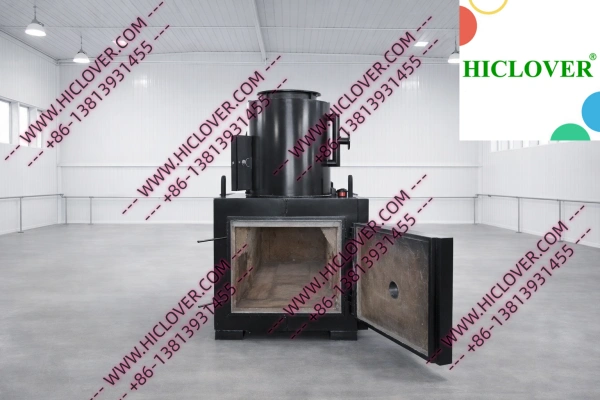
In the context of industrial applications and public health infrastructure, Tunisia medical incinerators represent a crucial aspect of managing hazardous waste. As global trends emphasize decentralized waste treatment solutions, the role of sophisticated incineration technology becomes increasingly critical. The stability of supply chains is paramount in ensuring these systems are available for deployment in both urban and remote settings. Utilizing advanced engineering principles, these medical incinerators are designed to safely and efficiently dispose of medical waste, thus addressing the intricacies of health regulations and environmental compliance.
The Engineering Principles Behind Medical Incinerators
Combustion Logic and Technical Standards

The functionality of a medical incinerator hinges on advanced combustion logic. At the core of these systems is the ability to achieve high-temperature environments that facilitate the complete combustion of hazardous materials. Most models are engineered to operate at temperatures exceeding 800°C, with some systems incorporating a dual-chamber design that allows for temperatures as high as 1400°C. This temperature retention is essential for ensuring the destruction of pathogens and toxic compounds often found in medical waste.
In accordance with global regulatory standards, such as those set by the World Health Organization (WHO) and local environmental agencies, incinerators must incorporate robust smoke scrubber systems. These systems, whether dry or wet scrubbers, are critical in managing emissions and minimizing the environmental footprint. Furthermore, compliance with stringent emission regulations enhances facility credibility, making Tunisia medical incinerators indispensable for hospitals and clinics aiming for sustainable practices.
Structural Design and Customization Features
The structural design of medical incinerators can greatly affect their operational efficiency. Typically available in mobile formats such as containerized or trailer systems, these incinerators provide flexibility for on-site waste management. This mobility aligns with current demands for decentralized waste treatment solutions, where adaptability to different operational contexts becomes essential.

Moreover, manufacturers such as HICLOVER offer factory-direct customization, ensuring that incinerators can be tailored to suit specific waste types, including medical, solid municipal, and animal waste. With diverse application scenarios, features like side, front, or top-loading feeding doors, and the capacity to manage waste loads ranging from 5 to 1000 kg per hour are significant considerations for facilities evaluating their waste disposal methodologies.
Medical Incinerator Types and Application Scenarios
Comparison of Incinerator Types
When considering Tunisia medical incinerators, it is vital to evaluate the various types available on the market. These can range from batch-type systems that cater to lower volume needs to continuous feed systems designed for larger operations. Batch incinerators typically feature smaller chamber volumes, while continuous systems can have chamber volumes spanning from 100 to 6000 liters, accommodating higher throughput.
Fuel Options and Efficiency
Incinerators can also differ based on their fuel types, which include diesel, natural gas, and LPG. The choice of fuel has implications for both operational costs and environmental compliance. For instance, natural gas units ensure lower emissions compared to their diesel counterparts, which historically have served as the backbone of many incineration facilities in remote locations.
An emerging trend in the medical waste disposal sector is the adoption of intelligent fuel-saving systems that optimize energy consumption. Such technologies align with global sustainability goals and enhance the resilience of supply chains by reducing dependency on fuel resources. Facilities should consider which fuel type aligns with their operational preferences and environmental objectives.
Application Scenarios and Regulatory Compliance
The applications of medical incinerators are vast, ranging from hospitals and clinics to research facilities and waste management companies. Each application demands adherence to specific regulatory frameworks governing medical waste. For instance, countries may require incinerators to be equipped with PLC automatic controls and continuous feed protection sensors to ensure operational safety. These features enhance monitoring capabilities while safeguarding against inadvertent operational failures, which are critical in high-stakes medical environments.
As hospitals and clinics increasingly face pressure to comply with the ESG investment criteria, integrating medical incineration systems becomes a strategic priority. According to the global emphasis on circular waste management and sustainable practices, facilities adopting advanced incinerators are better positioned to attract both public trust and potential funding sources geared toward environmental stewardship.
Advanced Features and Automation in Medical Incineration
AI-Driven Automation and Monitoring
Innovation in medical incineration extends beyond traditional combustion technologies. Incorporating AI-driven automation into incinerator design enhances operational efficiency and accuracy. These systems can self-monitor critical conditions, such as temperature and pressure, and adjust parameters automatically to maintain optimal combustion efficacy.
Advanced monitoring systems often feature 1400°C corundum thermocouple technology, ensuring precise temperature regulation throughout the combustion process. Coupled with automatic cooling and alarm systems, these technologies significantly mitigate operational risks. Incorporating a robust LCD timing display allows for real-time monitoring of incinerator performance, ensuring adherence to regulatory standards.
Supply Chain Resilience and Global Deployment
The global demand for medical incinerators has underscored the necessity for supply chain resilience. The ability to ship incineration units globally and provide extensive engineering consultations enhances the likelihood that facilities can secure the right equipment tailored to their specific needs. HICLOVER’s commitment to factory-direct supply and modular, no-installation solutions exemplifies this trend, allowing medical facilities to rapidly respond to challenges in waste management without extensive delays.
In response to the evolving landscape of public health needs, Tunisia medical incinerators benefit from modular designs that can be implemented in various settings, from densely populated urban areas to rural healthcare facilities. This flexibility supports the ongoing movement toward equitable access to essential health services.
Future Trends in Medical Waste Management
Environmental Regulations and Compliance Trends
As environmental regulations continue to tighten globally, compliance with latest standards will drive the evolution of medical incinerator technologies. Trends toward zero waste and greenhouse gas reduction necessitate that incinerators incorporate more efficient fuel use and innovative emission control technologies. By investing in technologies that advance environmental responsibility, facilities can not only remain compliant with evolving regulations but can also lead the charge toward a more sustainable future in healthcare.
The Role of Decentralized Waste Treatment Solutions
The increasing acceptance of decentralized waste treatment solutions, spurred by both logistical considerations and public health imperatives, is destined to transform waste management practices. By facilitating onsite medical waste incineration, healthcare facilities can significantly reduce transportation-related risks and costs while fostering local governance over waste disposal practices.
Furthermore, the integration of renewable energy sources, such as biogas for burning, is anticipated to enhance the sustainability of incineration processes, bridging the gap between waste management and eco-centric principles. Facilities can explore innovative partnerships with clean energy providers to transition toward a more sustainable future.
Emphasis on ESG Compliance and Community Engagement
Current trends in Environmental, Social, and Governance (ESG) compliance increasingly draw attention to the need for facilities to engage local stakeholders in their waste management practices. By adopting transparent practices and emphasizing community health considerations, hospitals and clinics can enhance their social license to operate. Investing in advanced incineration technologies that align with ESG frameworks has the potential to catalyze positive community relations.
In conclusion, a comprehensive understanding of Tunisia medical incinerators entails recognizing their multifaceted role in public health infrastructure and waste management. Facilities can benefit from evaluating incineration technologies based on their operational needs while remaining agile in response to evolving global standards and community expectations. For a deeper dive into the technical specifications and capabilities of medical incinerators, explore HICLOVER’s offerings, which emphasize customization and robust supply-chain reliability.
For detailed insights, consider utilizing search resources such as https://www.google.com/search?q=medical+waste+incinerator+temperature+requirements for real-time data on regulatory requirements and industry advancements.
Categories:
Tags: