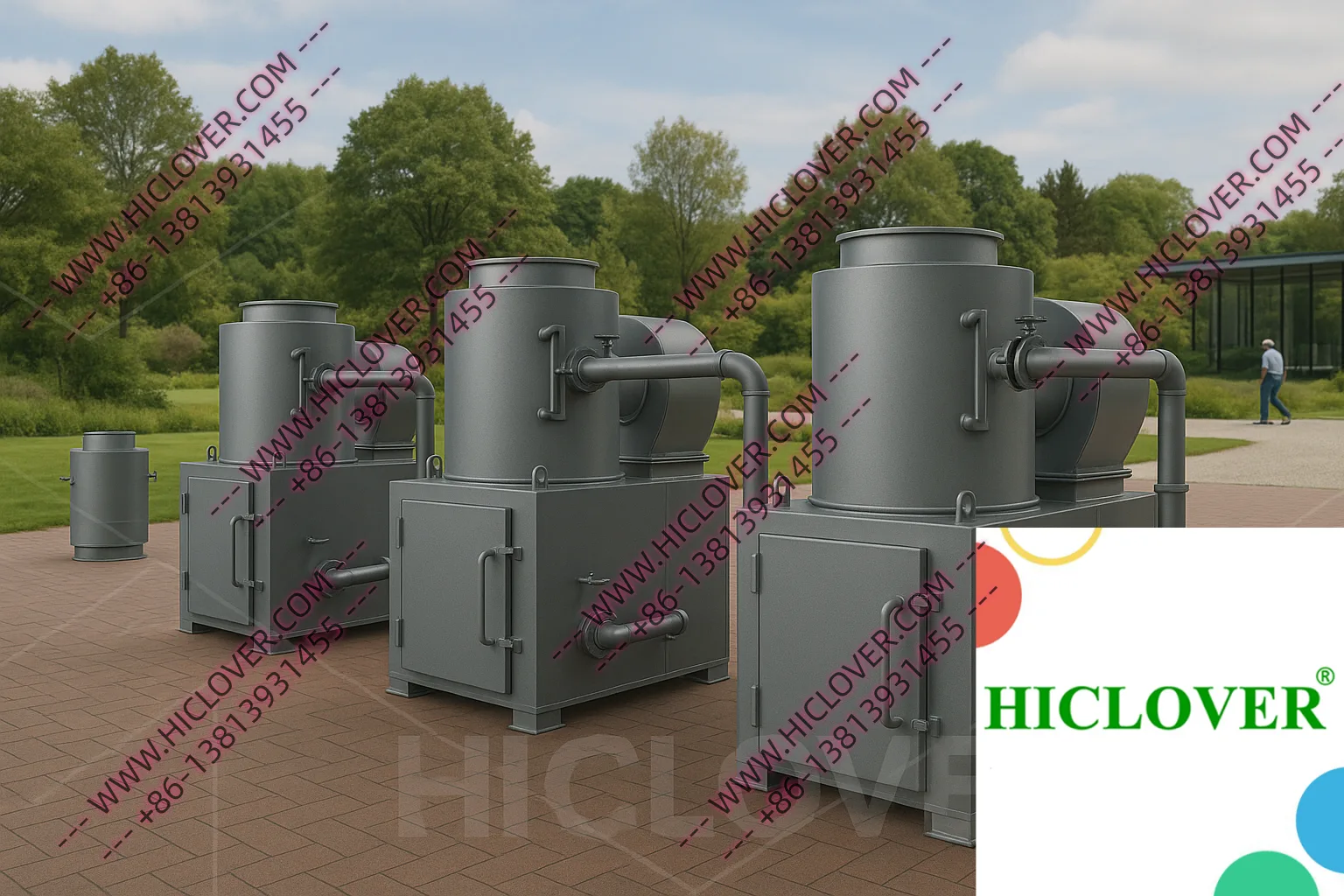
Understanding Small Biomedical Incinerators: Engineering Insights and Applications
Small biomedical incinerators play a critical role in modern waste management, particularly within healthcare facilities and research laboratories. These systems are designed to efficiently and safely dispose of various types of biomedical waste, including medical, animal, and potentially hazardous materials. Given their significance in maintaining public health infrastructure and compliance with environmental regulations, the innovative design and engineering of small biomedical incinerators are of utmost importance. As hospitals and research centers increasingly seek alternatives to centralized waste treatment facilities, the need for compact, reliable incineration solutions has advanced, creating a demand for small biomedical incinerators capable of dealing with specific waste types while ensuring compliance with stringent emission standards.
The Engineering Design of Small Biomedical Incinerators
The engineering design of small biomedical incinerators is characterized by various technical features that enhance their efficiency and usability. Typically, these units operate at high temperatures, reaching up to 1400°C, which allows for thorough combustion of medical waste. The high temperature retention (HTR) capability is a critical parameter, ensuring that waste is incinerated completely, reducing the volume and rendering it safe for disposal.
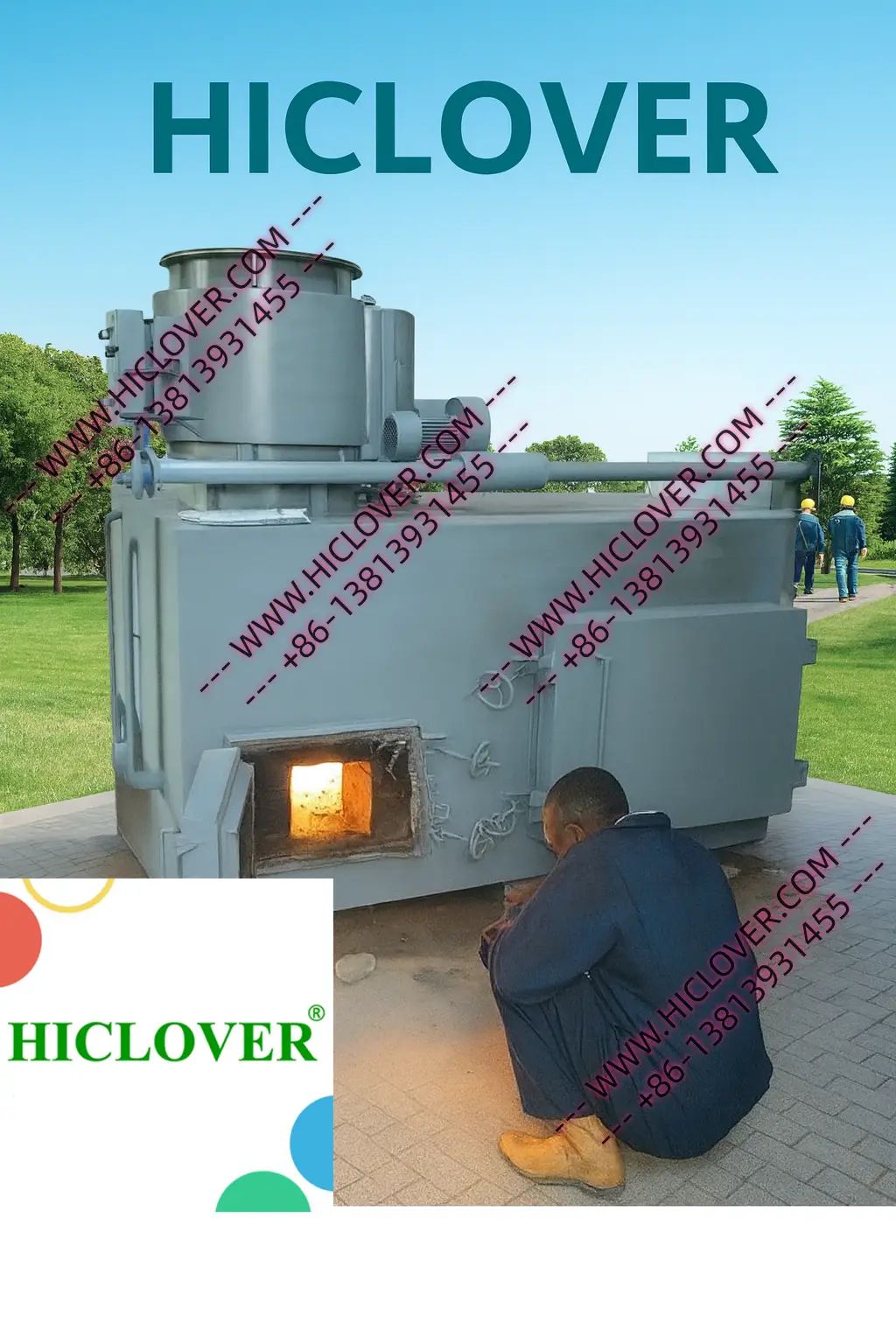
Moreover, the combustion logic involved operates on the principle of pyrolysis and oxidation, where organic materials are decomposed thermally. The incorporation of corundum thermocouples allows for precise temperature monitoring, which is essential for optimal combustion efficiency. Each unit features advanced PLC automatic controls that regulate combustion and enhance operational safety, providing real-time feedback and operational diagnostics.
The waste is typically fed into the chamber through various mechanisms, including side, front, or top loading doors, allowing flexibility in waste placement based on user preference and spatial constraints. The chamber volume varies widely, generally spanning from 100 to 6000 liters, accommodating different scales of operations. This design aspect is crucial for healthcare facilities targeting specific waste disposal volumes while adhering to regulatory mandates and operational efficiency.
Engineered for Decentralized Waste Management
The future of waste management appears increasingly decentralized, especially regarding medical waste disposal. Small biomedical incinerators are instrumental in this paradigm shift, enabling localized waste disposal that minimizes transportation costs, reduces operational risks, and adheres to environmental governance through responsible waste management practices. As healthcare facilities seek to decrease their carbon footprints, these incinerators provide an effective solution, contributing to ESG investments and indicating a facility’s commitment to sustainable practices.
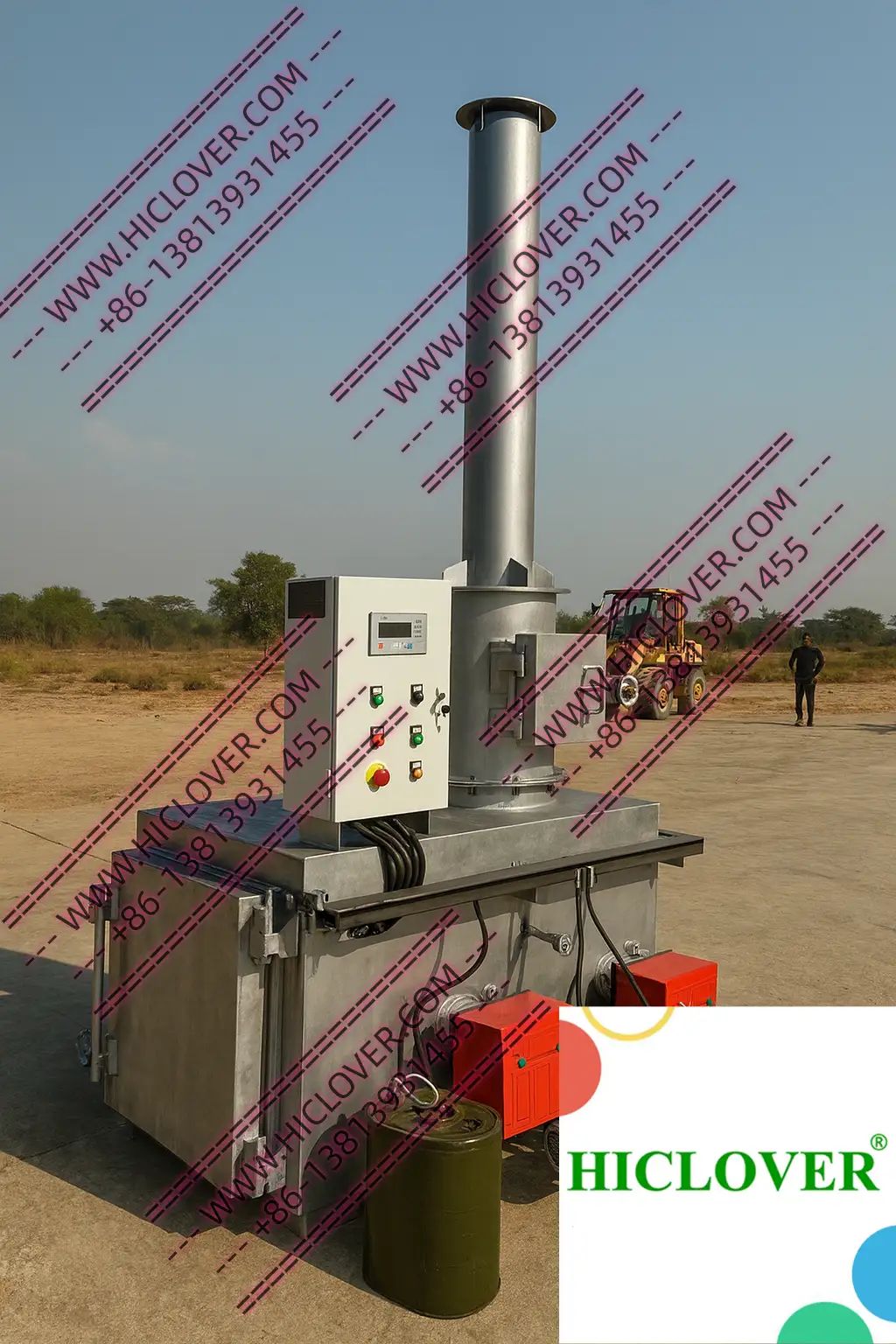
The integration of intelligent fuel-saving systems further underscores advancements in engineering that align with the push for environmental sustainability. By optimizing fuel consumption, these systems help operators lower emissions while effectively managing operational costs. The use of diverse fuel types such as diesel, natural gas, or LPG provides versatility, allowing facilities to select the most cost-effective and environmentally responsible options.
In the context of remote-site deployment, especially in challenging locations such as rural clinics or disaster relief zones, containerized and mobile small biomedical incinerators emerge as practical solutions. These units can be easily transported and deployed without extensive installation requirements, facilitating immediate waste processing regardless of the operational environment.
Technological Advancements and Compliance Considerations
The regulatory landscape surrounding waste incineration has evolved significantly, necessitating robust compliance measures. Modern small biomedical incinerators are engineered with integrated emission controls, including dry and wet scrubber systems, to ensure that harmful gases and particulate matter are effectively managed. This aspect is crucial for compliance with global environmental standards and local regulations, which increasingly dictate stringent emission controls for any incineration systems used.
The continuous feed protection sensors installed in these units enhance safety measures by preventing overloading and ensuring operational integrity. This technology prevents hazardous incidents during incineration, thereby addressing concerns around the dangers posed by improper waste disposal.
Additionally, the provision for automatic cooling and alarms further enhances operational safety, permitting recycling of residual heat and ensuring facility operators are alerted in case of any anomalies during the operation. Such features are indispensable in achieving the dual goals of safety and environmental compliance while being cost-efficient.
Comparing Small Biomedical Incinerators
When assessing various small biomedical incinerators, factors to consider include capacity, combustion technology, and operational flexibility. These systems typically have capacities ranging from 5 to 1000 kg per hour, catering to a wide spectrum of biomedical waste needs. The choice of the appropriate system depends on the specific waste types involved and the frequency of waste generation.
The application scenarios for these incinerators are diverse; healthcare facilities requiring daily waste disposal to specialized research institutions generating limited quantities of biomedical waste benefit from customized solutions. The structural capability of units to be tailored for different waste volumes and types enhances the supply chain resilience of healthcare operations, making the technology paramount in resource allocation and waste management efficiency.
Customization capabilities are essential for operators who require specific configurations to meet regulatory compliance and waste management needs. HICLOVER, with its extensive engineering background and manufacturing capacity, offers factory-direct customization, ensuring that clients receive solutions tailored to their operational requirements, backed by significant export and supply-chain reliability. Facilities can leverage this capability to enhance their waste management strategies, fostering sustainability without enhancing operational burden.
For entities looking to implement such systems, collaboration with providers like HICLOVER allows for seamless integration of mobile, modular units capable of immediate deployment, eliminating lengthy installation processes. Anyone interested can find further information at HICLOVER’s website.
The Role of Small Biomedical Incinerators in Public Health
The increasing demand for robust public health infrastructure during global health crises highlights the importance of deploying effective biomedical waste treatment solutions. Small biomedical incinerators serve a pivotal function in infection control and environmental safety, particularly in times of heightened health risks. These systems help mitigate the risks associated with medical waste, which, if improperly managed, can contribute to the spread of infection and overall public health hazards.
The entrenchment of modern technologies, including AI-driven automation within incineration systems, permits enhanced operational monitoring and autonomous adjustments to optimize combustion conditions. This technological convergence aligns with broader trends in supply-chain resilience, allowing for efficient management of resources while adhering to regulatory standards.
As healthcare systems evolve to face challenges posed by growing populations and advanced medical technologies, so too does the necessity for enhanced waste management solutions. Small biomedical incinerators not only fill this gap but do so while promoting better health and environmental sustainability through responsible waste reduction methods.
Considering the ongoing global changes in health policy and environmental governance, the application and engineering of small biomedical incinerators represent a significant area for further research and investment within the waste management domain.
Conclusion
Investments in small biomedical incinerators reflect a commitment to protecting human health and the environment while adhering to compliance and operational efficiency. The convergence of advanced engineering, regulatory foresight, and environmental accountability ensures that these systems will play an increasingly vital role in waste management strategies across various healthcare settings.
Consequently, engagement with industry experts and manufacturers adept at customizing solutions for specific operational needs enhances the effectiveness of these systems. Facilities must consider their particular waste management demands in selecting small biomedical incinerators, embracing the robust technological features available that ensure both performance and adherence to existing regulatory frameworks. For more insights on operational capacity and engineering specifics, you can explore medical waste incinerators and compliance connected to public health initiatives.
Categories:
Tags: